Samsung seeks to cut W13.8tr chip bill without risking flagship edge
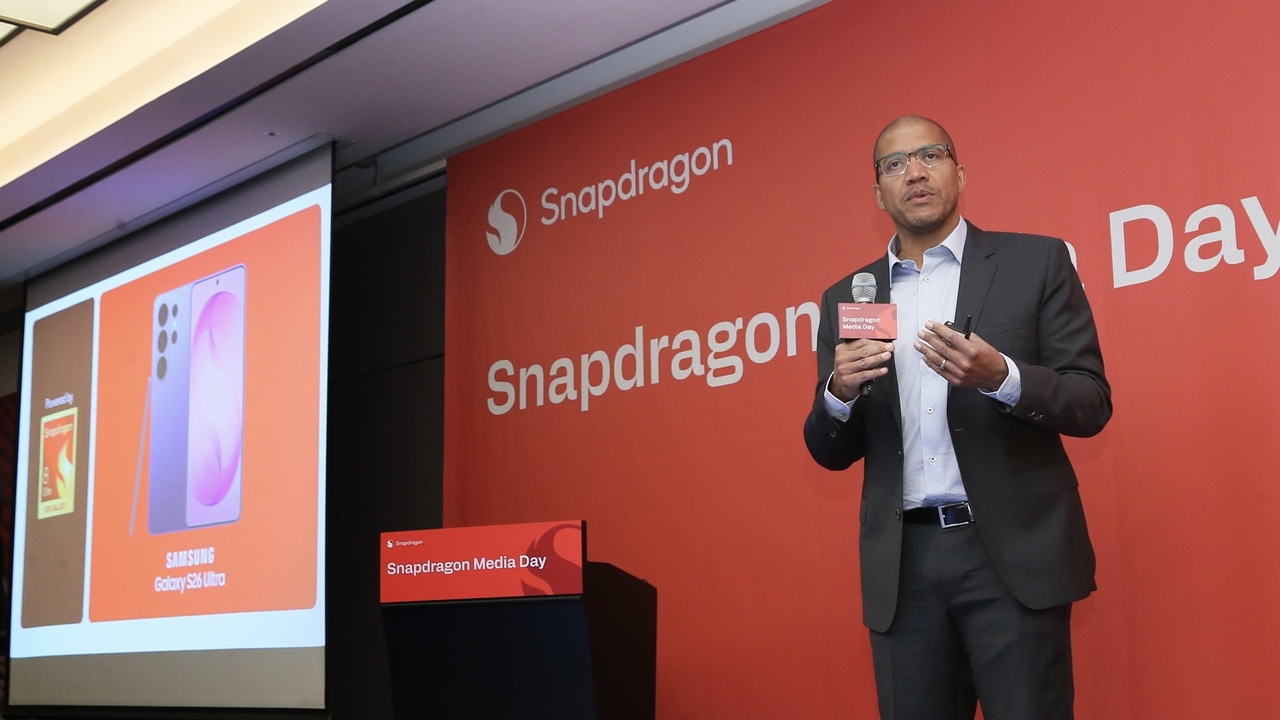
At a media briefing Friday in Seoul, Qualcomm delivered a carefully timed message: It wants to be seen not just as Samsung’s chip supplier, but as a core partner in building Galaxy phones.
Chris Patrick, Qualcomm’s senior vice president for mobile handsets, told reporters the two companies work “as one team from the beginning,” co-designing chips years before a Galaxy device reaches the market.
It was a polished case for partnership. It also came just weeks after Samsung began reducing its reliance on Qualcomm in its flagship lineup.
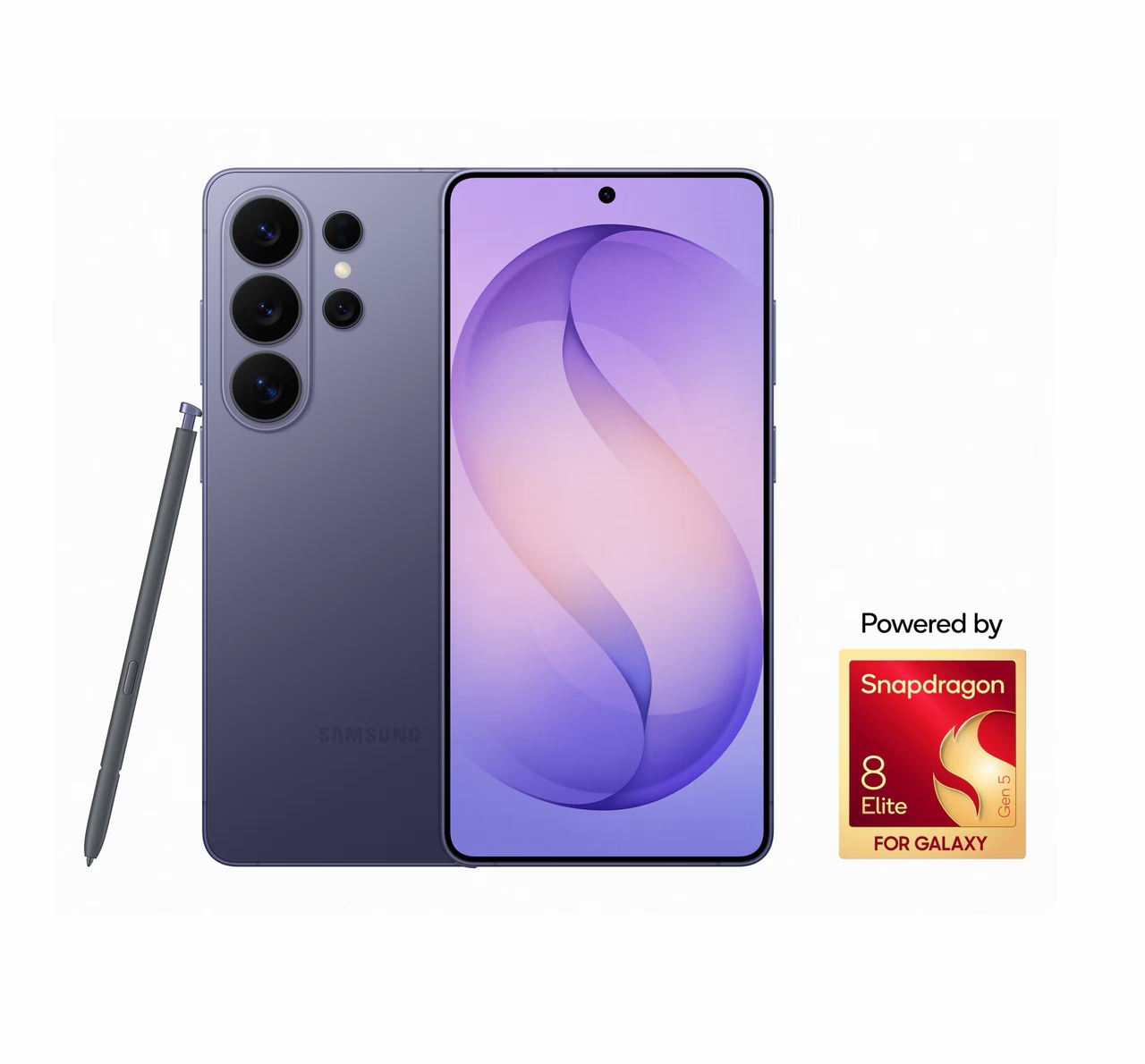
One month earlier, Samsung had shifted the balance inside its premium smartphone business. The Galaxy S26 and S26 Plus, unveiled in late February, brought back Samsung’s in-house Exynos processor for the first time in two years. The Galaxy S26 Ultra, however, still runs on Qualcomm’s Snapdragon.
Qualcomm supplied 100 percent of Galaxy S25 chips. That has reportedly dropped to about 75 percent for the S26. Kiwoom Securities analyst Park Yoo-ak projects 50 percent for the S27.
"The timing says a lot," said Ahn Ki-hyun, executive director of the Korea Semiconductor Industry Association. "Qualcomm's biggest customer has publicly stated it wants Exynos across the entire Galaxy lineup eventually. Naturally, Qualcomm is going to push harder to demonstrate its value."
Professor Lee Jong-hwan, a semiconductor specialist at Sangmyung University, put it more bluntly: Qualcomm’s emphasis on co-design is “a repositioning.” If a chipmaker is seen as just another component vendor, he said, they could be "swapped out.” If they are an engineering partner embedded years deep in the development cycle, “that is much harder to undo.”
A 13.8 trillion won question
The reason Samsung is bringing Exynos back comes down to money. In 2025, Samsung reportedly spent 13.8 trillion won ($9.2 billion) on mobile processors from outside suppliers, predominantly Qualcomm, up 26.5 percent from the year before.
That procurement bill roughly matches the operating profit its entire mobile division earned last year. Apple, which designs its own chips, reportedly posts a smartphone margin above 30 percent. Samsung's MX division is known to manage around 11 percent.
"Reducing external AP procurement cost is the single most direct lever Samsung has to improve mobile profitability," analyst Park said. Samsung's chip design arm reportedly priced the Exynos 2600 at $20 to $30 below the equivalent Snapdragon.
Why Samsung still reaches for Qualcomm at the top
Samsung has the motive; executing the shift is the hard part. The Exynos 2600 has improved markedly: Samsung says CPU performance rose 39 percent and AI processing 113 percent over the prior generation, and the chip matched or beat Snapdragon in several AI benchmarks.
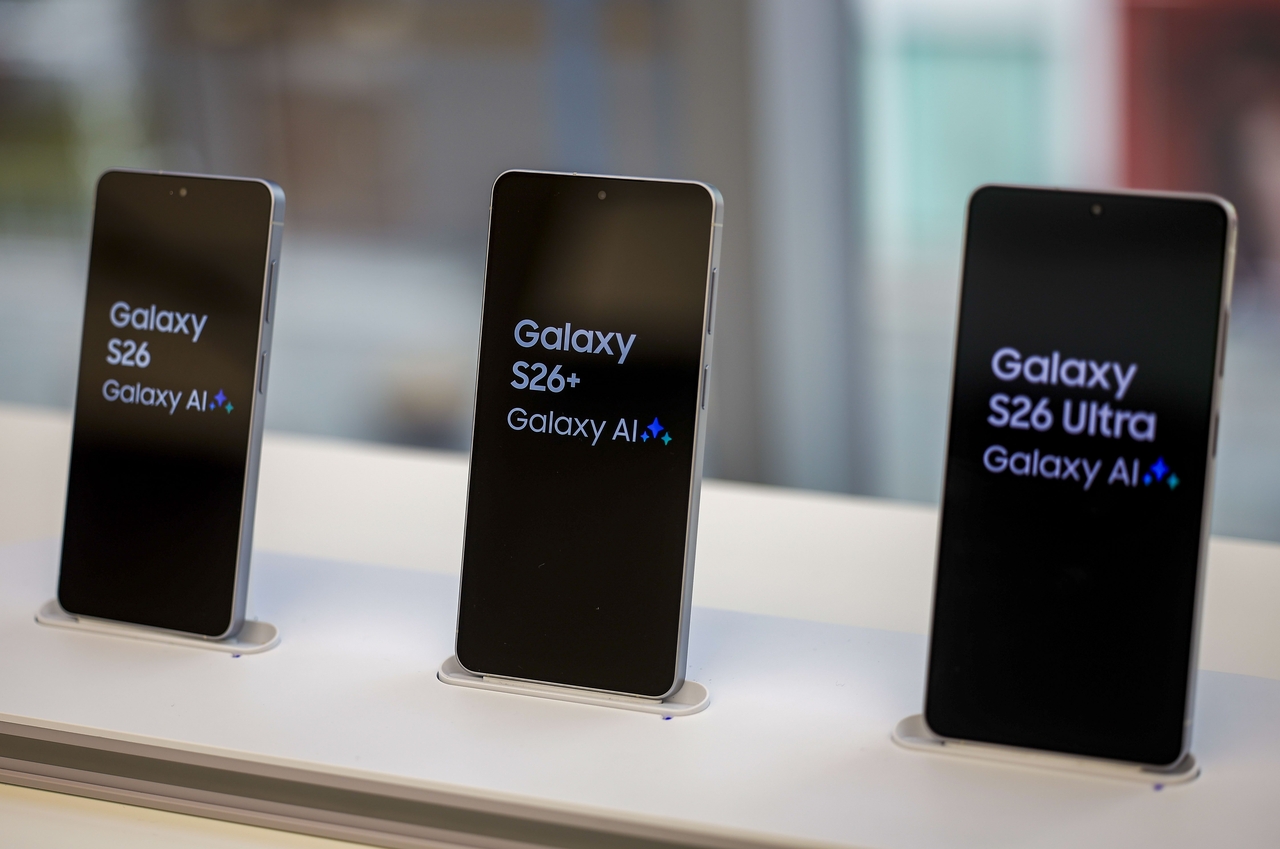
However, Samsung kept Snapdragon in the Ultra, its most expensive model — the one that competes directly with Apple's iPhone Pro and accounts for a disproportionate share of Galaxy profits.
That decision speaks louder than any benchmark. Some independent reviewers found that the Exynos runs slightly hotter and drains the battery faster under sustained workloads.
"The gap has narrowed significantly," Prof. Lee said. "But the threshold is reaching a point where most users would not notice the difference, and it is not fully there yet."
Three divisions, three priorities
In theory, Samsung can replicate that co-design loop entirely in-house. Its System LSI unit designs Exynos. Its foundry manufactures it. Its MX division puts it in the phone. In practice, the three operate as independent profit centers with divergent incentives.
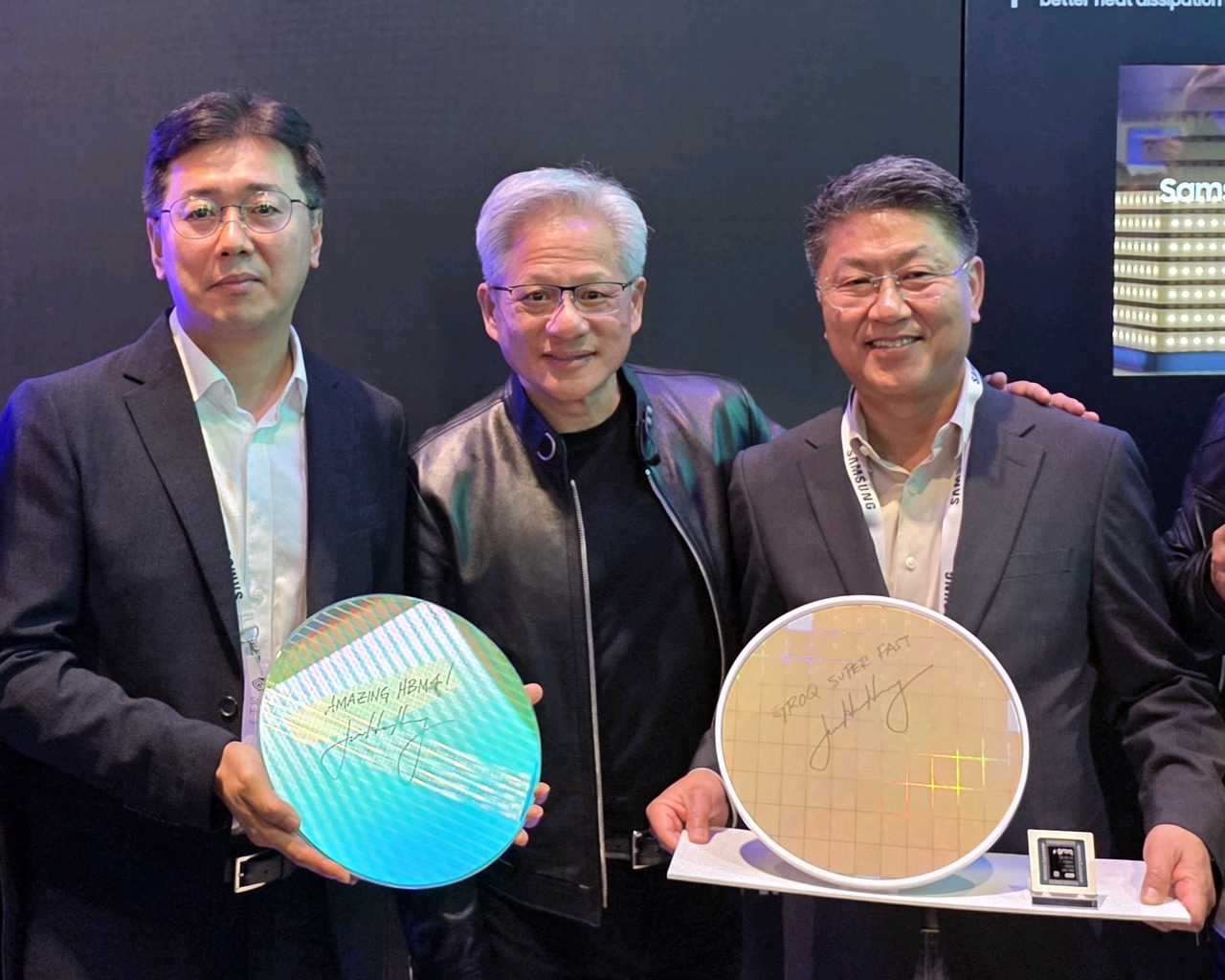
MX's job, as Prof. Lee described it, is to "ship the most competitive phone with the least risk to the Galaxy brand." System LSI needs broader Exynos adoption to justify its strategic relevance. The foundry, which recently landed a 22.8 trillion won chip contract from Tesla and is producing Nvidia's Groq 3 inference chip, increasingly sees its growth in high-performance computing rather than mobile. It aims for HPC to surpass mobile revenue within five years.
"The technology for synergy is there," Prof. Lee said, "but the units responsible for design, manufacturing and the final product do not always share the same incentives." Ahn offered a measured counterpoint: "If Samsung manages this structure well, it becomes an enormously powerful weapon."
Samsung's next Exynos is already in sample production. The 2700, targeting the Galaxy S27, is built on an improved process that Samsung expects will further close the performance and efficiency gap. Analyst Park has projected it could help push Samsung's non-memory chip business — in the red since 2023 — to an annual profit of 1.8 trillion won by 2027. But Samsung has been here before: the Exynos 2200 was withdrawn after overheating issues, and the 2500 never made it into the Galaxy S25 series at all.
"What matters is not speed but consistency," Ahn said. "If Samsung rushes to expand and runs into problems again, the damage to trust would be worse than the cost savings."
mjh@heraldcorp.com