Expansion aims to unlock redevelopment and increase housing supply
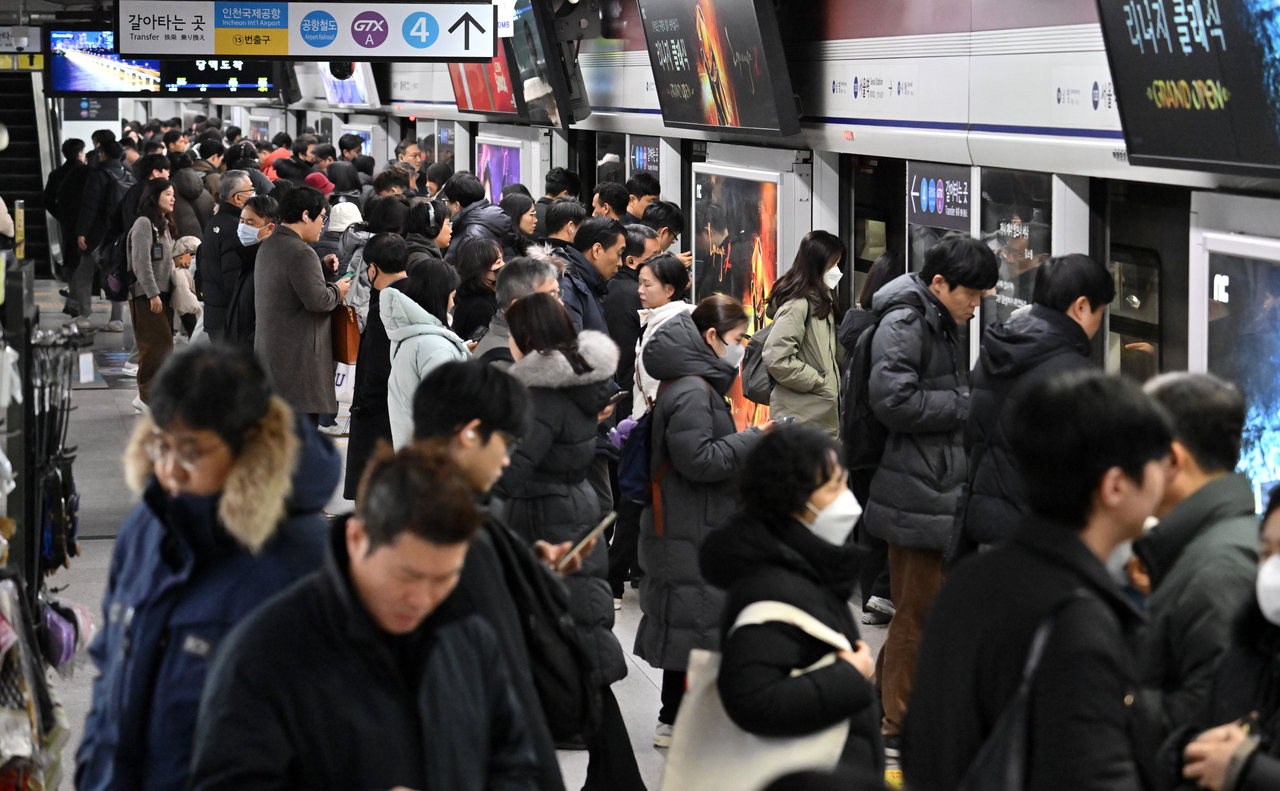
Access to fast public transit is considered essential for daily life in South Korea, making neighborhoods near subway stations among the most sought-after places to live. In Korean planning terminology, areas within walking distance of subway stations are referred to as “yeoksekwon,” or station influence areas.
Seoul announced Wednesday that it will expand the definition of such areas — neighborhoods within 250 meters of a subway station — to a radius of 350 meters. The move is part of a sweeping plan to redevelop all 325 station influence areas across the city into mixed-use urban hubs combining jobs, housing, culture, leisure and essential services.
Under the new strategy, the city will widen eligible development sites and lower public-benefit contribution requirements for private builders to enhance project viability.
A policy that previously allowed upgrades to commercial zoning only around 153 stations in central districts will now be extended to all 325 station-area zones citywide, effectively enabling redevelopment around nearly every subway station. Seoul plans to develop 100 sites over the next five years.
To attract private participation in 11 districts where profitability is low, the city will lower the public-contribution ratio tied to increased floor-area ratio from 50 percent to 30 percent.
Transfer stations where passenger demand is concentrated will undergo “growth-hub mixed-use development,” encouraging high-density and multifunctional projects. Within 500 meters of transfer stations, Seoul will allow a maximum floor-area ratio of up to 1,300 percent for general commercial zones.
The city aims to identify 35 additional sites over five years to build large-scale complexes integrating office, commercial, residential and cultural facilities.
Station-area zones, despite being key mobility hubs and daily living centers, have long faced development constraints due to fragmented land ownership and dense clusters of small plots. These areas have floor-area ratios about 1.1 times the citywide average and a high share of buildings more than 40 years old.
Seoul first presented its vision in 2022 to convert station-adjacent neighborhoods into integrated “work-live-leisure hubs.”
At that time, the city proposed expanding the radius from 250 meters to 350 meters, easing zoning restrictions, removing mandatory non-residential use ratios and scrapping a 35-story height limit — reforms tied to expanding long-term public rental housing near stations.
Since 2021, the number of long-term station-area rental housing sites has risen by 92. The city also supplied 16,000 units for newlyweds and young people, along with 6,624 additional public rental units.
The city will also extend eligibility for station-area long-term rental housing from 350 meters to 500 meters from stations. The permitting process will be shortened by more than five months from the current 24-month period.
Seoul aims to expand the supply of long-term station-area rental housing from 127 sites with 120,000 units to 366 sites with 212,000 units.
Seoul Mayor Oh Se-hoon said the city’s station-area districts have gradually evolved into integrated residential and employment hubs.
“By advancing high-density, mixed-use development through public-private cooperation, Seoul will create an urban environment where future generations will want to live and stay,” he said.
jychoi@heraldcorp.com