Montreal’s history of systematic support meets Seoul’s surging confidence in a partnership designed to ensure cities are fundamentally defined by art
What makes a city a global cultural powerhouse? For Montreal, it is a legacy of turning urban voids into artistic hubs; for Seoul, it is a surging cultural confidence and a vast potential for international expansion.
While their histories differ, the two cities share an identical goal: to ensure they do not just host culture, but are fundamentally defined by it.
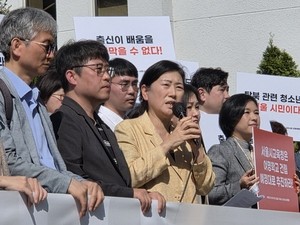
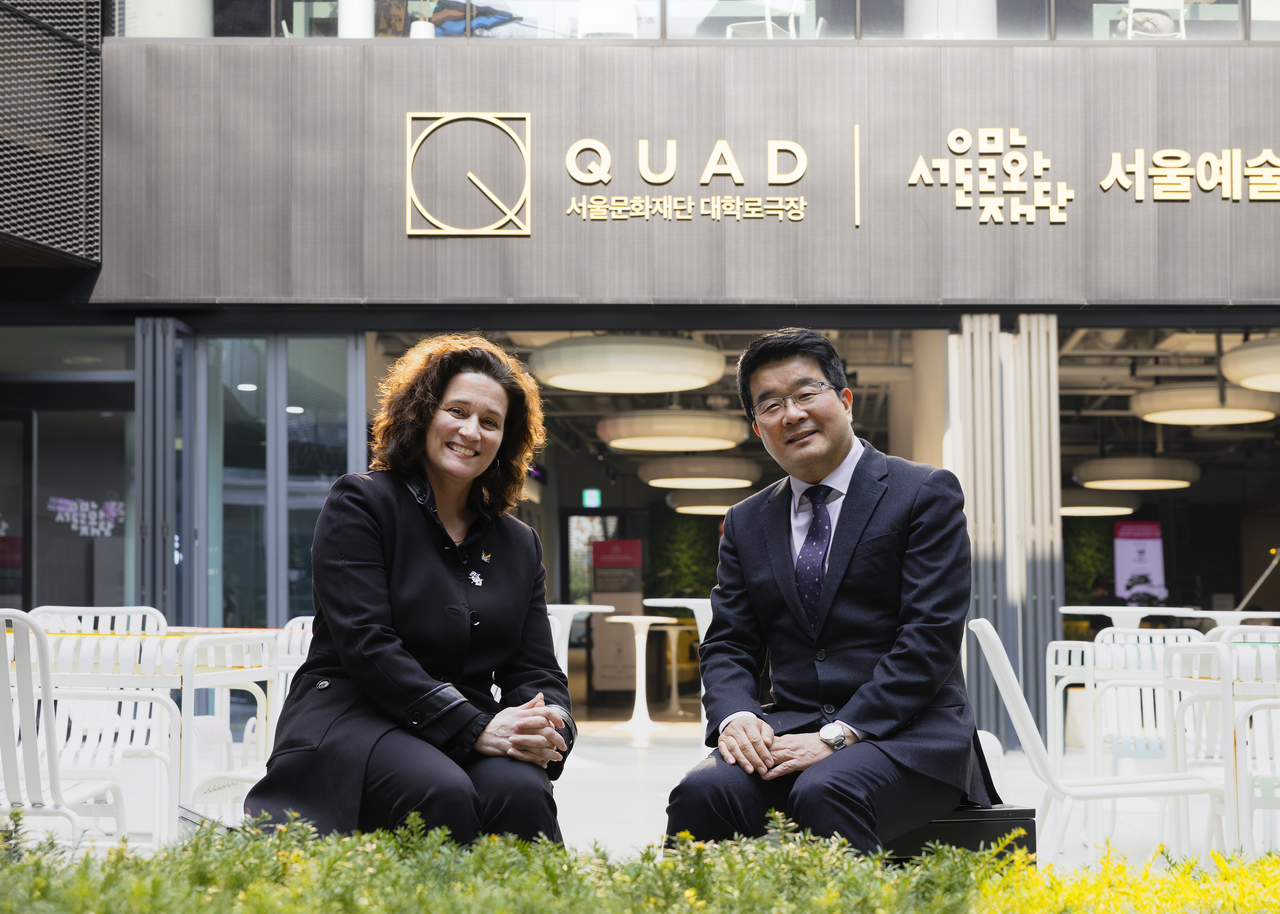
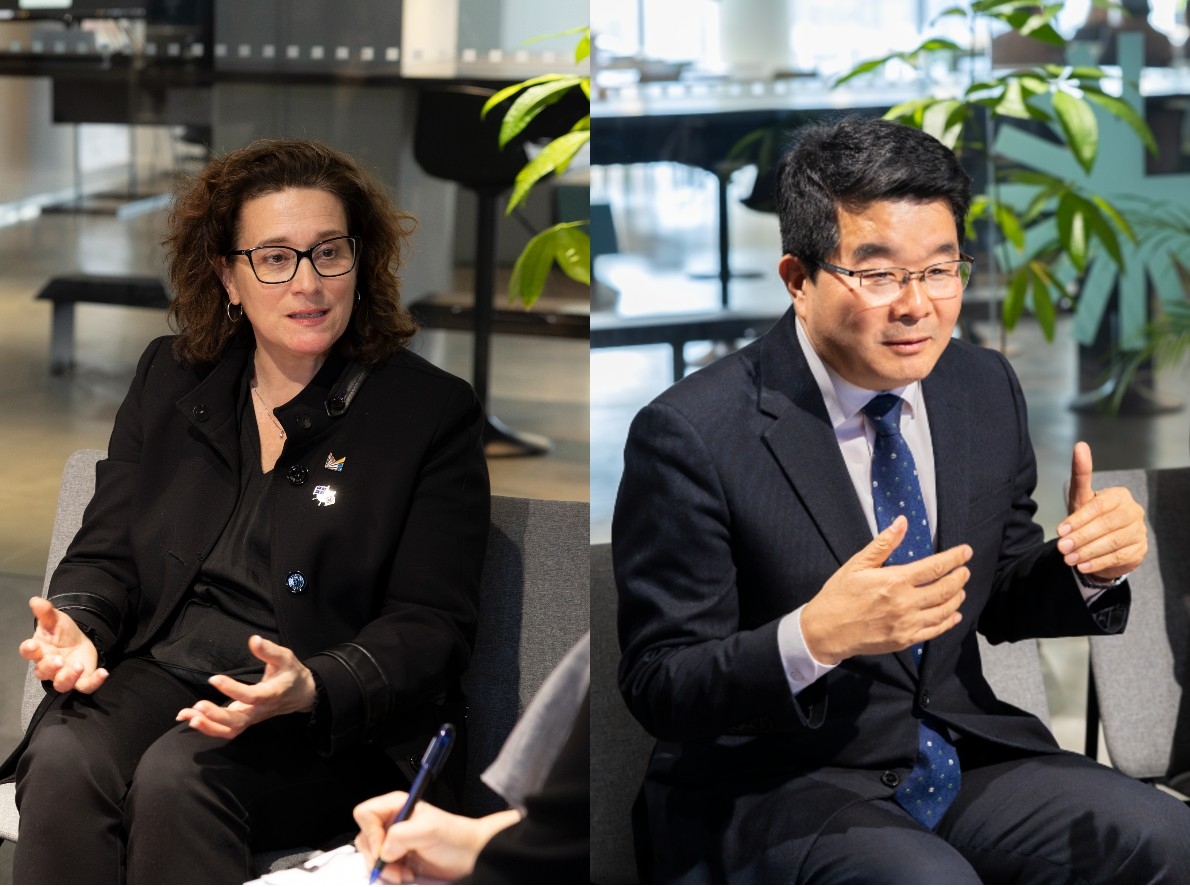
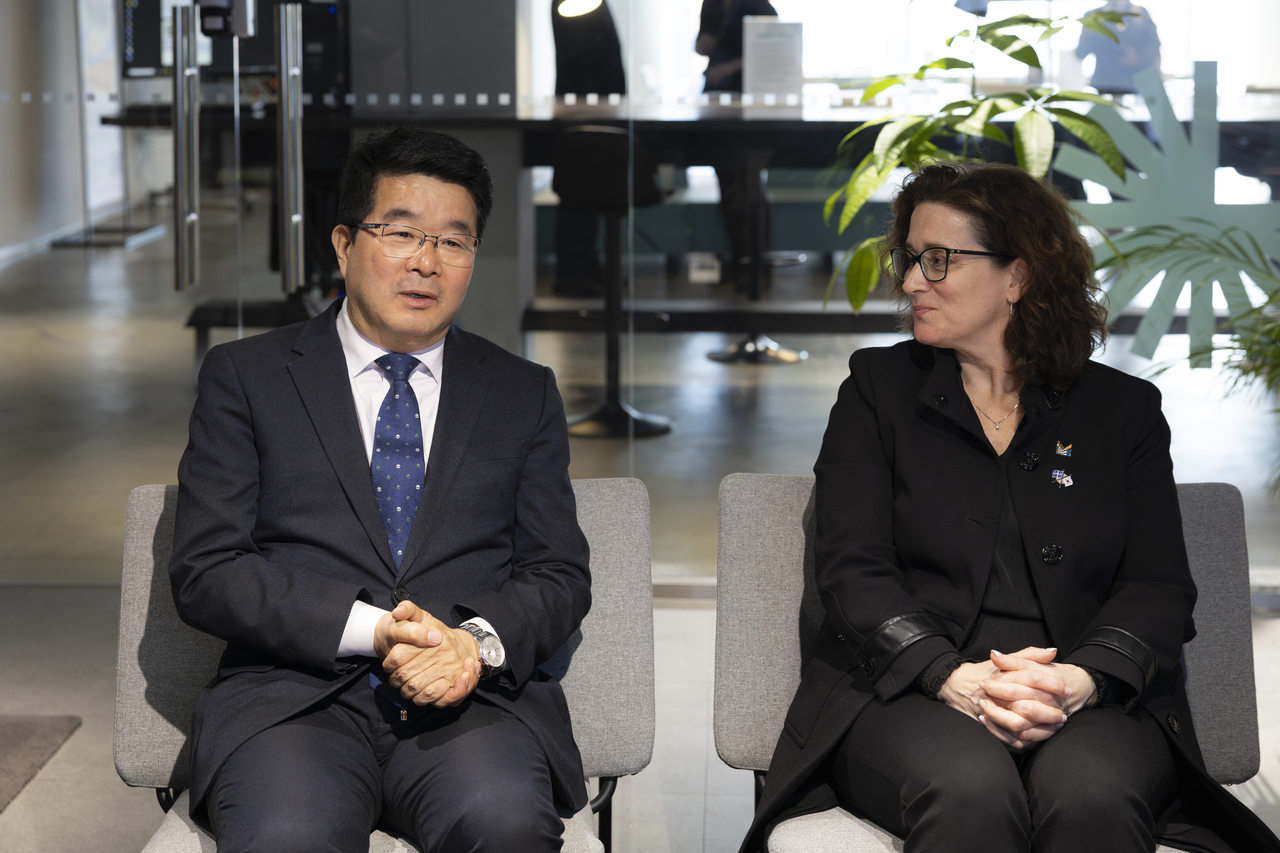
This shared vision was at the heart of a dialogue held last week between Nathalie Maille, Executive Director of the Conseil des arts de Montreal, and Song Hyeong-jong, President of the Seoul Foundation for Arts and Culture. Maille visited Seoul as part of a high-level Canadian delegation led by Montreal Mayor Soraya Martinez Ferrada.
The two leaders met to sign a memorandum of understanding that aims to bridge the 10,600 kilometers between their cities through sustainable artistic exchange. Seoul is the Montreal Arts Council's second foreign city partner after Bogota, as it aims to expand its international footprint and nurture a globally oriented cultural ecosystem.
The conversation opened with a reflection on the different stages of each organization. Established in 1956, the Montreal Arts Council has been a vital catalyst for the city's artistic ecosystem since 1956, while the SFAC is a younger entity, currently celebrating 23 years of evolution.
"Our history is deep, but I see Seoul’s youth as its greatest strength," Maille observed. She noted that Seoul’s relative "youth" in the global cultural management sphere allows it to be more agile and innovative. Song echoed this, noting that Seoul is currently navigating a pivotal transition from a cultural model led by central government to one of local autonomy.
"We are now laying the tracks," Song said, "to ensure our artists can reach the global stage through a stable, local system."
Montreal: Transforming the summer void
One of the most compelling insights shared by Maille, who has been leading the council since 2013, was the origin of Montreal’s status as a "Festival City." In the 1990s, Montreal faced a crisis: the city became a "ghost town" during the summer as residents fled for the countryside or overseas.
"The Jazz Festival was born from 'reverse thinking,'" Maille explained. Instead of accepting the seasonal exodus, the city decided to fill the void with high-quality, free public art to give those who remained something to celebrate. Today, that strategy has paid off exponentially. Nearly 44 percent of Montreal’s 11 million annual tourists visit specifically for arts and culture.
Maille emphasized that this isn't just about the city center; Montreal’s goal is "365 days of festivals" across all its territories, ensuring that even marginalized communities have access to world-class creativity at their doorstep.
Seoul: Anchoring cultural momentum
While Montreal focuses on sustaining a legacy, Seoul is embracing the opportunities of its rapid, global cultural success. Maille noted that the global cultural center of gravity for younger generations has shifted toward Seoul. "The ingredients are all there," she remarked. "Seoul has the talent and the momentum; now it simply needs the right 'boost' to turn these individual successes into a permanent, world-leading infrastructure."
President Song, meanwhile, offered a grounded perspective: while the global popularity of Korean media is high, the city’s mission is to support the "foundational arts" that feed the larger industry — theater, dance and visual art.
"We are moving toward a '365-Day Festival City' vision," Song said. This includes utilizing unique urban spaces, like the Daehangno theater district, to ensure that culture is an everyday reality for Seoulites, not just a one-off event. He highlighted the "Seoul Youth Pass" as a key initiative to ensure that the next generation remains connected to live, physical art in an increasingly digital world.
Providing platforms for both success and failure
The two leaders compared their funding philosophies, revealing a shared commitment to long-term stability. Montreal employs a "startup" model for arts organizations, providing seed money followed by four-year guaranteed funding cycles for those who prove their artistic merit.
"We take risks," Maille stated. "From our perspective, those we call 'startups' in the arts are essentially the same as startups in any industry," she explained. "Therefore, the Council's most critical role is identifying which of these creative startups requires the most immediate and urgent support. The Council reviews and decides which specific artists must be supported to ensure they can scale up rapidly."
She added that "60 percent of our evaluation is based purely on artistic quality. We want to give artists the breathing room to fail and then succeed."
Seoul is adopting a similar stance. By focusing on "pure arts" and providing platforms for young creators, the SFAC aims to create a sustainable pipeline. Both leaders agreed that the goal of their partnership is to act as a "railway station" — a reliable point of departure and arrival for artists traveling between North America and Asia.
The signed MOU is intended to be far more than a symbolic gesture. The leaders discussed concrete plans for artist-in-residence swaps, visual arts biennials, and collaborations in performing arts.
"This is about synergy," Song noted. "Montreal’s deep experience in international residency and Montreal's systematic support, combined with Seoul’s vibrant energy, will create a powerful platform for our artists."
gypark@heraldcorp.com