Costume design embodies the spirit of a new generation of heroes who carry the turbulent history of Korea, the brand says
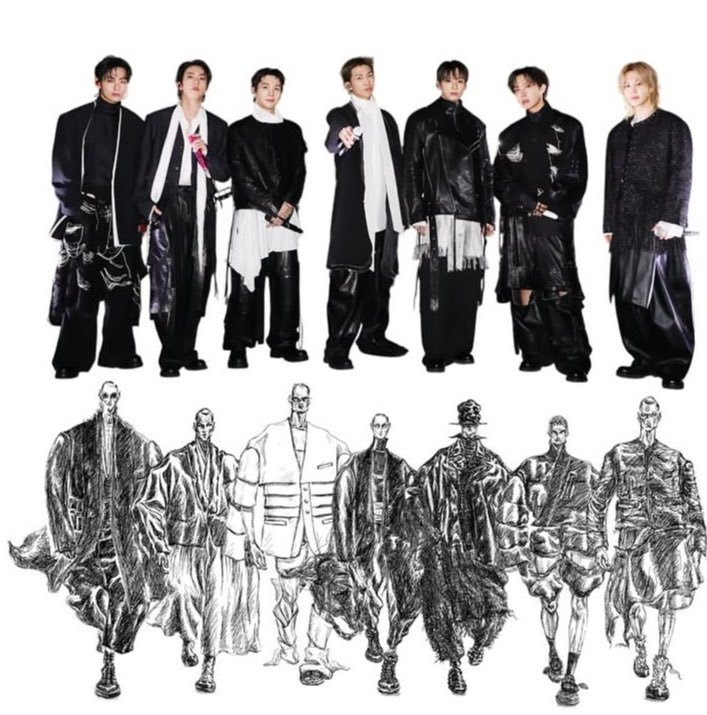
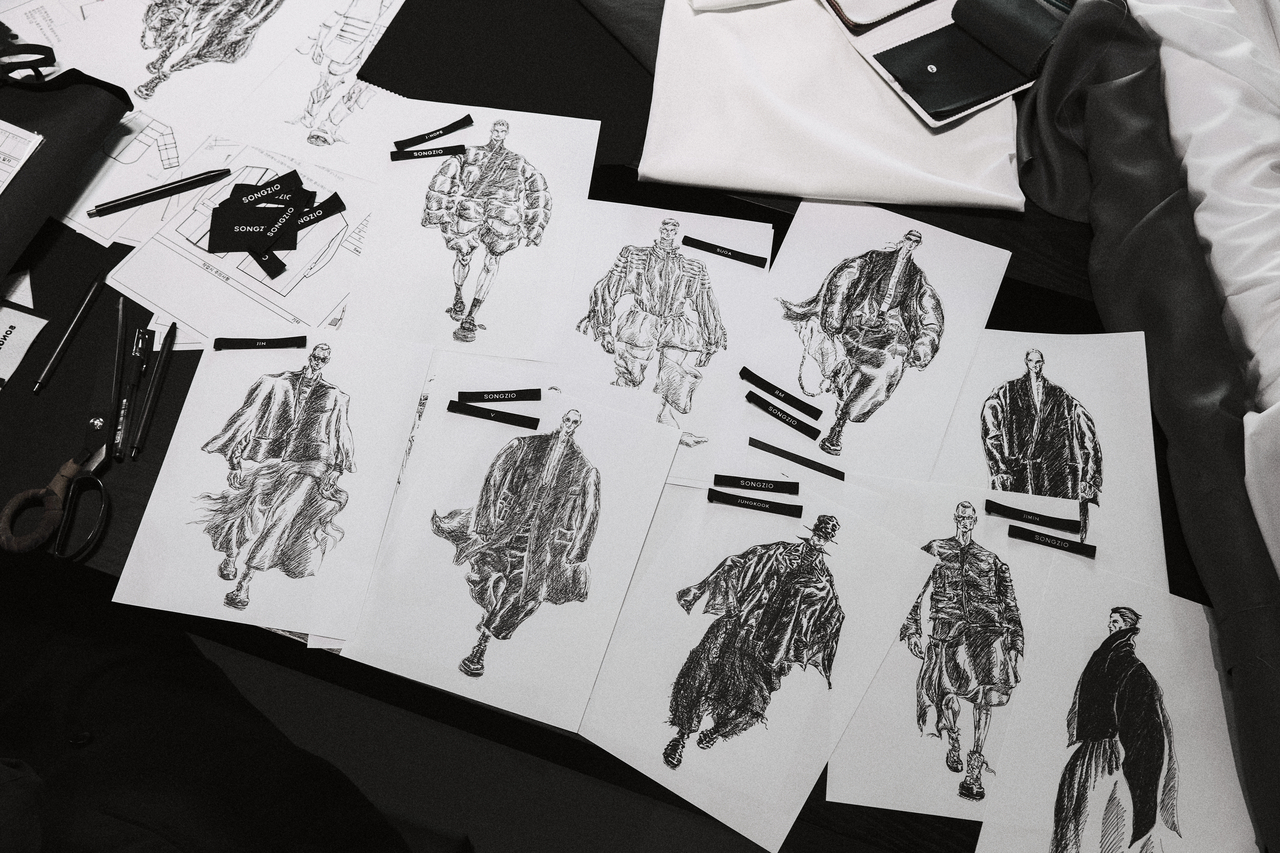
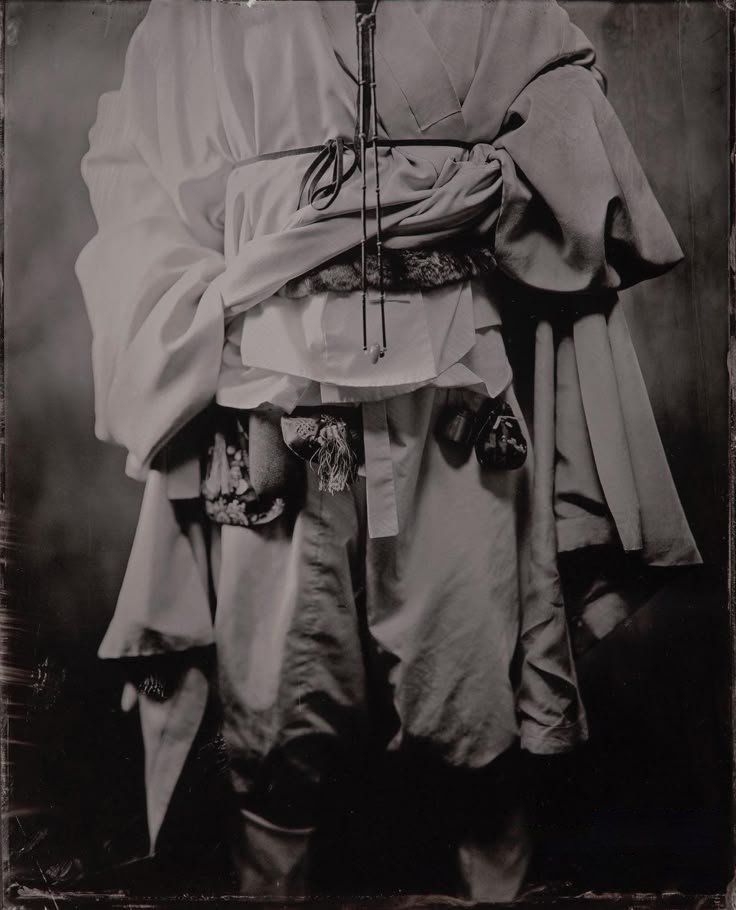
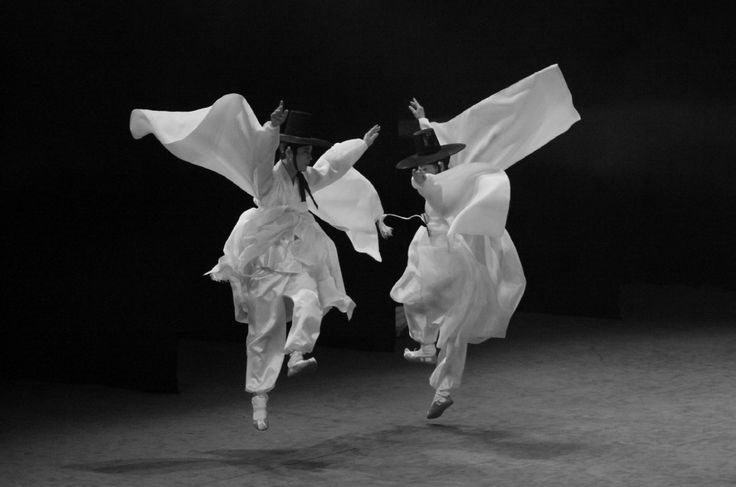
BTS returned to the stage in front of Gwanghwamun, one of Seoul’s most historically significant sites, with a performance centered on their new album “Arirang.” While the setting and music highlighted Korean cultural heritage, its costumes, designed by Korean designer brand Songzio, also intended to connect past, present and future through form and structure.
According to the brand, the collection, created under the concept of “Lyrical Armor,” envisions a new generation of heroes who carry the weight of Korea’s history while shaping a new future. In this framework, BTS is presented not only as performers but as cultural figures embodying continuity and transformation, the brand said.
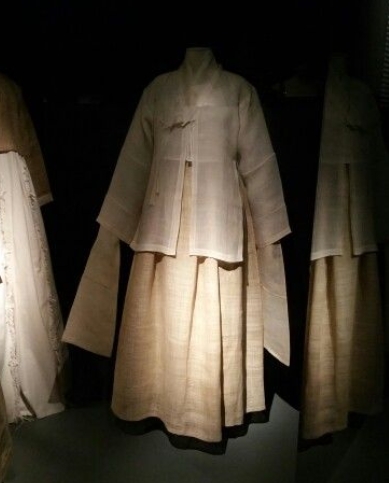
The designs draw on structural elements from traditional Joseon-era garments, reinterpreting them into a contemporary design language. Asymmetrical silhouettes combining straight and curved lines, exposed seams and fluid drapery reflect traces of traditional dress while creating a modern, forward-looking aesthetic.
BTS appeared in monochrome outfits in black and white and the focus on a limited color palette, the brand noted, allowed the garments’ construction and silhouettes to stand out, enhancing the performers’ movements on stage.
The costume design extended beyond the group to include dancers, traditional vocalists and instrumentalists, creating a unified visual composition across the performance. This approach positioned costume as an organizing element of the stage rather than a separate stylistic layer.
Songzio, founded by designer Songzio and currently led by CEO and creative director Jay Songzio, operates more than 100 stores worldwide, including flagship locations in Paris and Seoul. The brand is set to expand further with the opening of a New York flagship store later this year.
gypark@heraldcorp.com

![[Graphic News] Gen Z turns to AI for personal advice](https://wimg.heraldcorp.com/news/cms/2026/10/07/news-p.v1.20261007.3c930a14429e439cb4afe08471621608_T1.gif?type=h&h=800)