Seven bandmates reunite to breathe new life into K-pop -- and write its new chapter

The return of BTS on Friday comes at a moment when K-pop’s global reach is firmly established — and still growing.
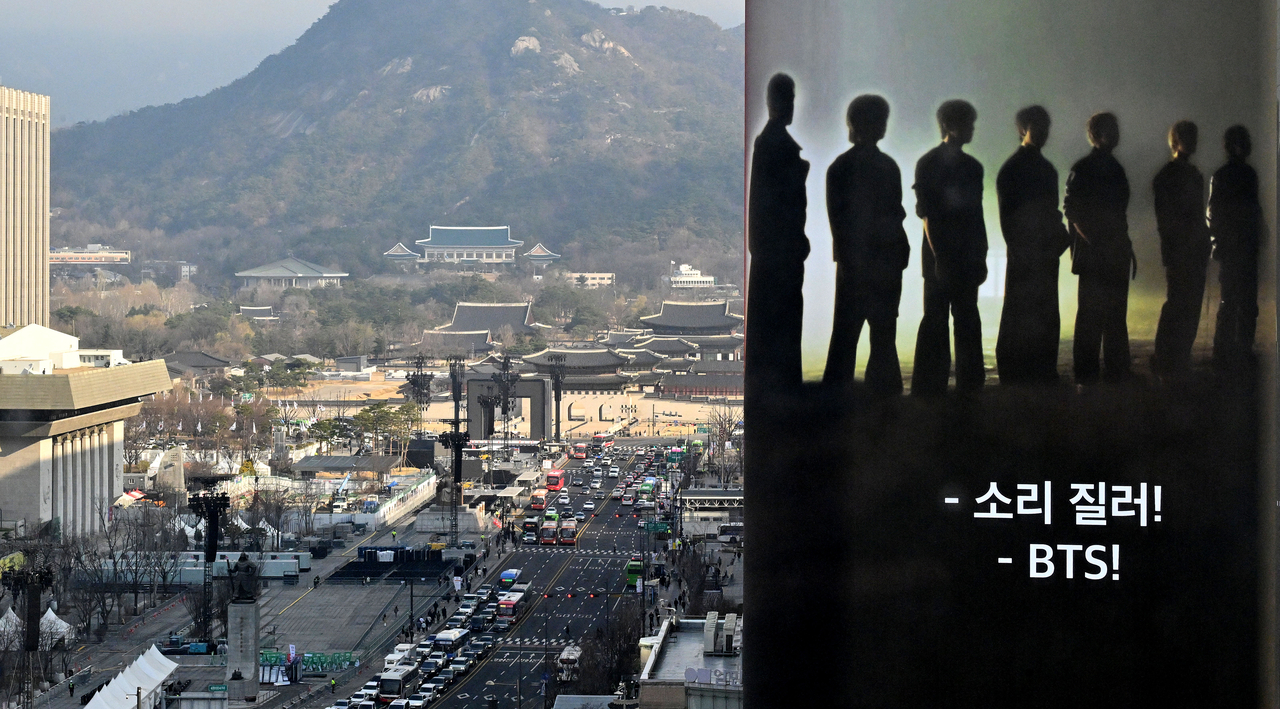
On Saturday, the seven-member group will reunite onstage for the first time in nearly four years. The concert, set in Gwanghwamun Square in central Seoul, is expected to draw about 260,000 fans from around the world, a testament to the group’s enduring pull even after years away.
BTS’ military hiatus did little to slow K-pop’s momentum. Acts like Stray Kids and NewJeans have continued to expand the genre’s footprint across North America and Europe, while streaming platforms have made Korean music more accessible than ever. Still, BTS remains at the center of that global story — a group that helped redefine just how far K-pop could reach.
Its return also comes amid a broader wave of global interest in South Korean culture. The Oscar-winning success of "Parasite" at the Academy Awards in 2020 and the worldwide popularity of "Squid Game," released in 2021, signaled turning points, connecting global audiences with Korean storytelling. More recently, "KPop Demon Hunters" — which won two Oscars on Sunday — reinforced the global appetite for Korean narratives.
The choice of Gwanghwamun Square as the venue for BTS' return reflects that convergence of pop culture and heritage. Staging the performance against the historic backdrop of Gyeongbokgung Palace links BTS’s return to a broader national narrative. Museums and heritage sites have rolled out themed merchandise and special exhibits, preparing for an influx of visitors drawn as much by Korea’s history as by its music.
The economic ripple effects are already being felt. Analysts estimate that BTS' return with "Arirang" could generate about 2.9 trillion won ($2.2 billion) in revenue from albums, touring and merchandise. Including tourism and related spending, the total economic impact could exceed 3 trillion won.
For fans, the March 21 concert is more than just a show; it’s a long-awaited reunion. For the industry, it’s a moment that could once again shift the global conversation around pop.
In a K-pop landscape they helped shape, BTS’ return feels less like a comeback and more like a celebration — one that underscores how far K-pop has come, and where it may go next.
The Korea Herald has prepared a 12-page special edition to mark the group’s return — a moment that signals not just a new chapter for BTS, but a tribute to fans around the world who have fueled K-pop’s continued global rise.

christory@heraldcorp.com