Naphtha gets temporary economic security status as Seoul moves to curb energy disruption
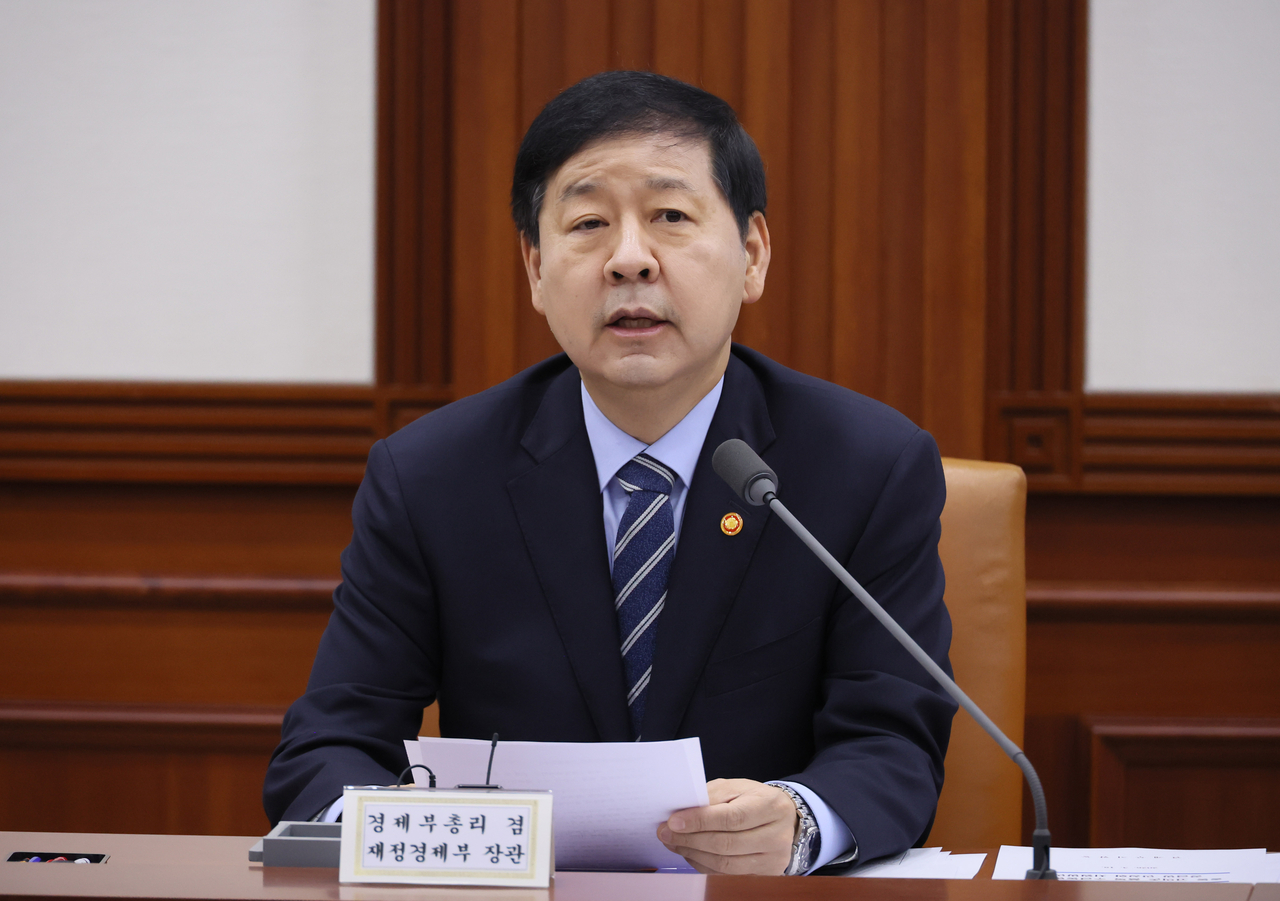
South Korea will roll out a 1.5 trillion won ($1 billion) financial support package for local companies affected by the escalating conflict in the Middle East, while temporarily designating naphtha as an economic security item amid rising supply chain risks.
Finance Minister and Deputy Prime Minister Koo Yun-cheol announced the measures at an emergency economy ministers’ meeting and a supply chain stabilization committee meeting in Seoul on Wednesday.
"The situation in the Middle East has persisted for more than two weeks, causing supply chain shocks not only to petroleum products but also to raw materials and other goods, with the knock-on burden gradually building across sectors of the economy," he said.
First, the government is expanding financial support for firms hit by supply chain disruptions as supplies of goods reliant on the region have become unstable following the closure of the Strait of Hormuz. It has created a special Middle East damage response program within the state-backed Supply Chain Stabilization Fund, earmarking 1.5 trillion won for affected firms.
The support includes expanded lending, with higher loan limits to cover added costs from alternative imports and broader interest-rate support. The government will also provide emergency working capital and additional preferential rates for firms handling economic security items.
Under Article 13 of the Supply Chain Stabilization Act, an economic security item is designated for special oversight because it is essential to the national economy or closely tied to daily life, with the aim of preventing supply disruptions.
Naphtha has been temporarily designated an economic security item. Korea depends on the Strait of Hormuz for more than half of its naphtha imports, and because naphtha is a key petrochemical feedstock, any disruption could ripple across manufacturing.
"We will closely monitor naphtha supply and demand trends and difficulties faced by companies, and take proactive steps as well, including securing alternative import sources and imposing export restrictions," Koo said.
Officials also discussed joint emergency economic response measures related to the situation in the Middle East at the meeting.
Koo first vowed to press ahead with temporary fuel price controls introduced last Friday as energy costs surged, and urged gas stations to quickly pass on lower wholesale prices after refiners sharply cut supply rates.
"The government will monitor petroleum product prices in real time and crack down hard on unfair practices such as hoarding and refusals to sell, through on-site inspections and a reporting center," Koo said.
The government is also tightening energy supply and demand management. As it secures alternative supply lines and steps up conservation, including possible curbs on refiners’ exports and more flexible coal-generation caps, it will also review broader demand-control measures such as a vehicle rationing scheme if necessary.
Officials also stepped up planning for a supplementary budget to cushion the impact of the Middle East crisis, with Koo stressing the need for swift action. He said the package will target vulnerable groups, regional areas and hard-hit sectors, focusing on easing logistics and fuel cost burdens, supporting small business owners, farmers and fishermen, and helping smaller enterprises hit by the fallout.
"The key to crisis response is timing," Koo said. "We will move quickly to draw up a supplementary budget to ease the burden on households and industry."
jwc@heraldcorp.com