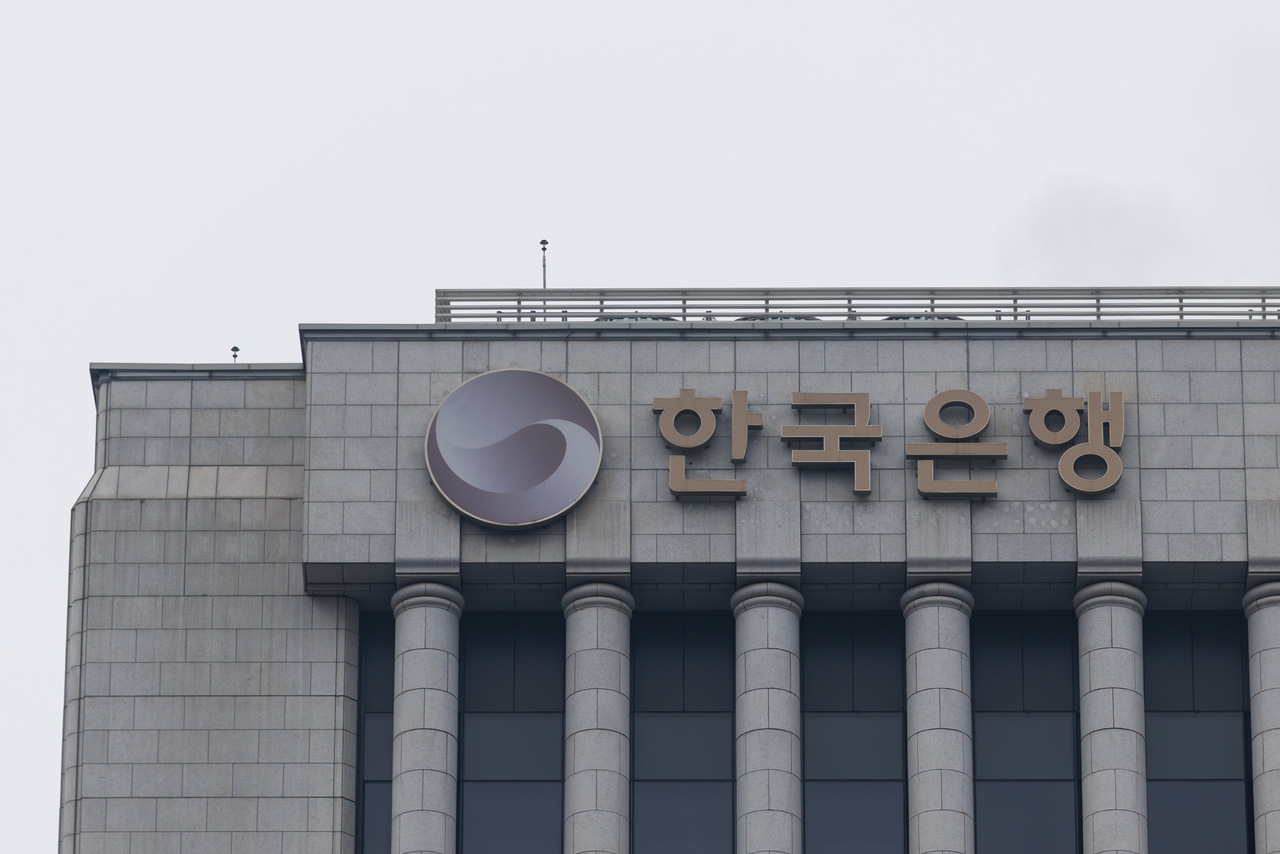
The Bank of Korea said a supplementary budget being discussed to cushion the economic fallout from the war in the Middle East is unlikely to significantly fan inflation, even as oil-driven cost pressures build.
In data submitted to Rep. Cha Gyu-geun of the minor Rebuilding Korea Party and released Sunday, the central bank said the inflationary impact of an extra budget tied to the Middle East crisis would likely be limited.
A supplementary budget can generally add upward pressure on prices by boosting demand through higher fiscal spending, the BOK said. But the extent of that impact depends on the size, composition and timing of the package.
“The war in the Middle East has heightened cost-side pressures through rising oil prices,” the BOK said. “We assess that the likelihood of a supplementary budget fueling inflation is relatively low, given that the GDP gap remains negative and growth is diverging between the IT and non-IT sectors.”
The central bank also said the case for a stimulus-focused extra budget has weakened somewhat from a year earlier, with the economy expected to grow faster this year than last year. Still, it said the rapidly worsening situation in the Middle East continues to pose downside risks to growth and upside risks to prices.
The BOK said the growth effect of any extra budget would depend heavily on the type of spending and when it is executed. Based on past cases, it estimated that last year’s first supplementary budget of 13.8 trillion won ($9.2 billion) and second package of 16.2 trillion won each lifted annual economic growth by about 0.1 percentage point.
Cha urged the government to ensure the measure goes beyond a short-term fix.
“A supplementary budget should not be seen as a hasty stopgap measure, but as a policy tool to support exporters, transport operators and small merchants hurt by the Middle East crisis,” Cha said in a statement Sunday.
“Since the government has said it would draw up the extra budget without issuing additional government bonds, it needs to promptly explain to the public who will receive support, how much will be provided and how the program will be implemented.”
jwc@heraldcorp.com