On Thursday, the Bank of Korea stood its ground, though the space to maneuver is narrowing. For a fifth consecutive meeting, the base rate was held at 2.5 percent. In most cycles, a pause is an interlude. This reads less as a pause than an admission.
목요일 한국은행은 운신의 폭이 좁아지고 있음에도 기존 입장을 견지했다. 5회 연속으로 기준금리 2.5퍼센트를 유지하기로 한 것이다. 대부분의 사이클의 경우 잠시 멈추는 것은 일시적이다. 그러나 이번 결정은 일시정지라기보다는 상황을 시인하는 것처럼 보인다.
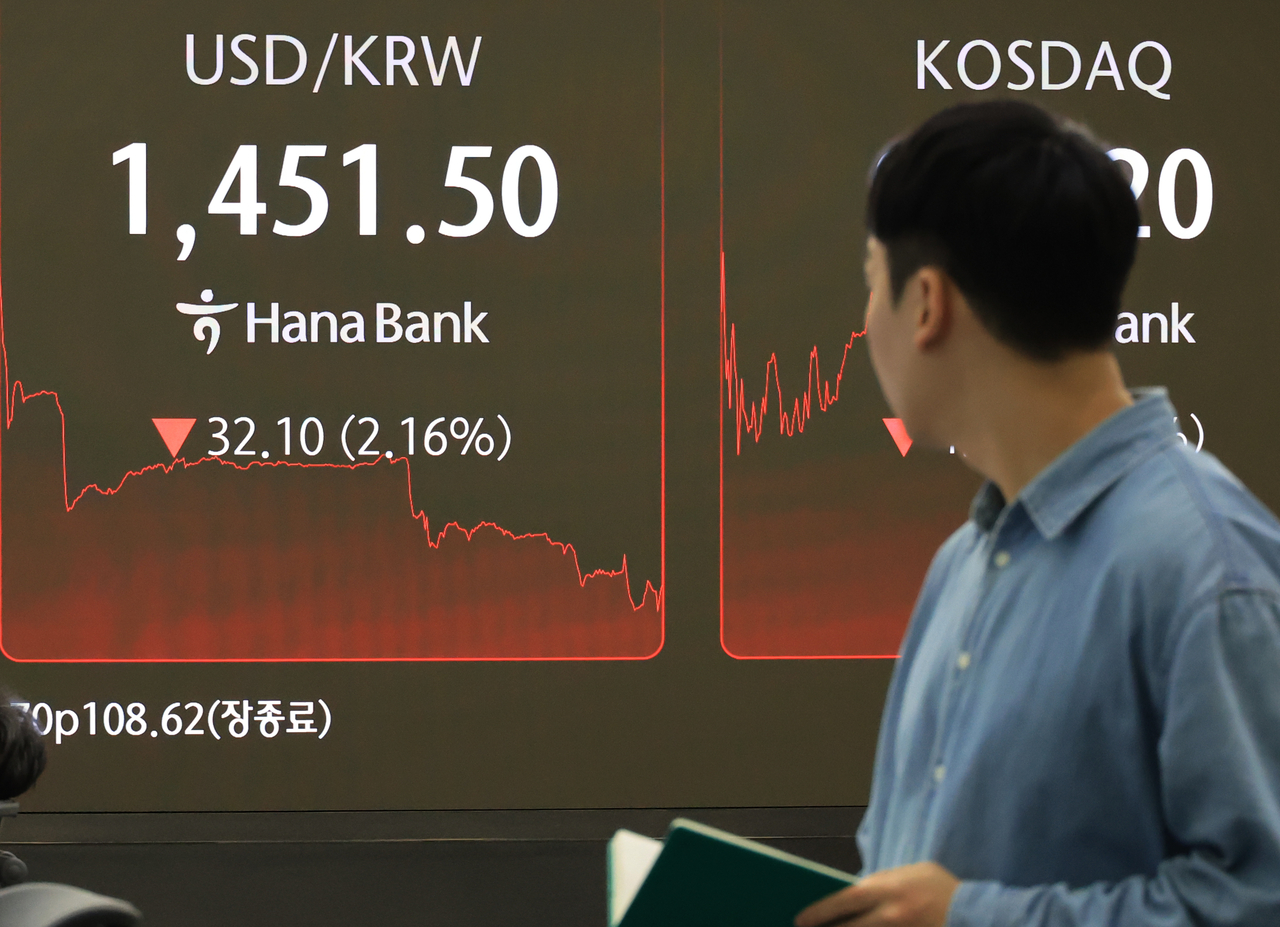
What made the decision striking was not the freeze itself, but the central bank’s fixation. BOK Gov. Rhee Chang-yong mentioned the exchange rate 64 times at his press conference. Inflation, housing and household debt all mattered, he said, but the won mattered more.
이번 결정이 놀라운 이유는 동결 그 자체가 아니라 중앙은행의 집착이다. 이창용 한국은행 총재는 기자회견에서 환율을 64회 언급했다. 인플레, 주택가격, 가계부채도 모두 중요하지만 원화 환율이 더 중요하다고 그는 발언했다.
Foreign exchange stability has displaced domestic inflation as the main anchor of Korean monetary policy. The BOK is no longer fine-tuning demand. It is guarding the perimeter.
환율안정은 국내 인플레이션을 제치고 한국 금융 정책의 가장 중요한 추가 되었다. 한은은 더이상 섬세한 조정을 하기보다는 경계선을 지키려고 한다.
This defensive crouch reflects the narrowing corridor in which policy now operates. Language hinting at future rate cuts vanished from the official statement, marking a hawkish pause and, in practice, the end of the easing cycle that began in late 2024. The signal was less about confidence than constraint.
이러한 방어적인 자세는 정책운용의 폭이 좁아지는 것을 반영한다. 금리 인하 가능성을 시사하는 문구가 공식 문서에서 삭제되어 매파적인 동결을 나타냈고 실질적으로 2024년 후반 이후 지속된 금리인하 사이클의 종료를 암시했다. 이는 자신감보다는 어쩔 수 없는 선택을 뜻했다.
First comes the currency trap. With US rates standing 1.25 percentage points above Korea’s, any further cut could accelerate capital outflows and deepen won weakness. Raising rates to defend the currency, by the BOK’s own estimate, would require a 2 to 3 percentage point hike — a move the central bank has warned would impose severe costs on growth and employment.
우선은 환율의 함정이다. 미국의 금리가 한국보다 1.25퍼센트포인트 높은 상황에서 추가적인 인하는 자본유출을 가속화하고 원 약세를 심화시킬 수 있다. 한은의 추정에 따르면 원화 방어를 위해서는 금리를 2-3퍼센트 인상해야 하나 이는 성장과 고용에 있어 심각한 악재가 될 수 있다고 한은은 경고해왔다.
Second is the real estate paradox. Despite high borrowing costs and tighter lending rules, Seoul apartment prices have risen for 48 consecutive weeks, reflecting chronic supply shortages. Easing policy would almost certainly reignite speculative pressure.
부동산의 역설이 그 뒤를 따른다. 대출 비용이 높아지고 규제가 엄격해졌음에도 불구하고 서울의 아파트 가격은 48주 연속 상승해 만성적인 공급부족을 보여주었다. 금리인하정책은 십중팔구 투기성향의 움직임을 재점화할 것이다.
Third is inflation that refuses to fully cooperate. Consumer prices rose 2.3 percent on-year in December, above the BOK’s target for a fourth straight month. Import prices have climbed for six months in a row, pushed up by the weak won. Cutting rates under these conditions would risk importing more inflation.
다음은 잡힐 기미가 보이지 않는 물가상승이다. 소비자 가격은 12월 전년 대비 2.3퍼센트 올라 4개월 연속 한은의 예상치를 상회했다. 수입품 가격은 원화 약세의 영향으로 6개월 연속 올랐다. 이러한 상황에서 금리를 인하하는 것은 추가적인 인플레를 불러들일 위험이 있다.
If the rate freeze marked the limits of domestic policy, the events around it exposed the limits of external help. A day earlier, US Treasury Secretary Scott Bessent stepped in verbally, saying the won’s depreciation did not align with Korea’s strong fundamentals and that excessive volatility was undesirable. The market listened briefly, then drifted back into the 1,470s.
금리 동결이 국내정책의 한계를 보여줬다면 이를 둘러싼 상황은 외부 도움의 한계를 드러냈다. 전일 스콧 베선트 미 재무장관은 구두 개입을 통해 원화의 가치 하락은 한국의 견고한 펀더멘털과 부합하지 않는다며 지나친 변동은 바람직하지 않다고 말했다. 시장은 잠시 하락세를 보이다 다시 1470원대로 상승했다.
The context mattered. Korea has pledged $350 billion in investments in the US under a bilateral trade agreement, with annual funding capped at $20 billion. Washington has an interest in keeping a critical partner financially stable. Yet the fleeting impact of the intervention revealed the market’s verdict: Words can slow a move, not change its direction.
흐름을 보는 것이 중요하다. 한국은 양국간 무역 합의를 통해 미국에 연간 최대 2백억달러를 상한으로 하는 3천5백억달러 상당의 투자를 약속했다. 주요 파트너의 재정적 안정 유지에 미국 정부도 이해관계가 있다. 그러나 개입의 일시적인 효과는 말로 움직임을 늦출 수는 있지만 방향을 바꿀 수는 없다는 시장의 결론을 보여주었다.
That direction is being set by capital behaving rationally. Retail investors shifting money to US equities are responding to a K-shaped recovery at home -- simultaneous growth for high earners and a decline for others -- and a clearer growth story abroad. According to the BOK, recent expansion has been concentrated in semiconductors and autos, while petrochemicals, steel and other pillars slide into obsolescence. Over two decades, Korea’s top exporters have barely changed. America’s have been remade.
그 방향은 합리적으로 행동하는 자본에 의해 설정되고 있다. 개인투자자들은, 고수익 기업은 성장하는 반면 여타 기업은 쇠퇴하는, K형 회복세를 보이는 국내 경제 그리고 해외의 좀더 확실한 성장 움직임에 반응해 자본을 미국 주식으로 옮기고 있다. 한은에 따르면, 최근의 성장세는 반도체와 자동차에 집중되어 있는 반면 석유화학, 제철을 포함한 여타 주요 산업은 침체되어 가고 있다. 지난 20년간 한국의 최대 수출기업들은 변함이 없었던 반면 미국은 완전히 바뀌었다.
Seen this way, Korea’s exchange rate trend is a symptom, not a cause. Capital flows toward economies where innovation, productivity and policy credibility appear strongest. No amount of pressuring exporters to sell dollars or scrutinizing overseas investments can alter that logic.
이런 시각에서 볼때 한국의 환율 흐름은 원인이 아니라 징후다. 자본은 혁신, 생산성, 정책신용도가 가장 뚜렷한 곳으로 흘러간다. 아무리 수출기업에 달러를 팔도록 압박하고 해외투자를 들여다본다고 해도 이 논리를 바꿀 수는 없다.
The task, then, lies where it always has. Monetary policy has reached its limits. If the government expects the BOK alone to defend the won, it risks years of weak growth paired with stubbornly high costs.
그렇다면 과제는 여전히 그대로다. 통화정책은 한계에 다다랐다. 정부가 한은 단독으로 원화를 방어하기를 기대한다면 수년간 원화는 약세를 면치 못하고 물가는 지속해서 높이 유지될 공산이 크다.
The harder work lies in structural reform: loosening labor rigidities, cutting regulatory drag and broadening the industrial base beyond chips and cars.
더욱 어려운 과제는 구조적인 개혁이다. 노동경직성을 완화하고 규제로 인한 방해물을 제거하며 반도체와 자동차를 넘어 산업 발판을 넓혀가는 것이다.
The won will stabilize not when markets are scolded into line, but when they are persuaded that a renewed Korean growth story is real.
시장을 다그쳐 보조를 맞출 때가 아니라 한국이 실로 다시한번 성장할 것이라는 것을 시장이 받아들였을 때 원화는 안정될 것이다.
base rate 기준금리
interlude 중간, 막간
fixation 집착
crouch 웅크림
speculative 투기적인
depreciation 평가 절하
volatility 휘발성, 변덕
retail 소매
equities 주식
obsolescence 노후화
khnews@heraldcorp.com