FTC advises visitors to choose accommodation based on overall pricing trends
Ahead of an upcoming concert by K-pop superstars BTS, accommodation prices in Busan have surged, with some properties raising rates up to seven times their usual levels, a government survey showed Friday.
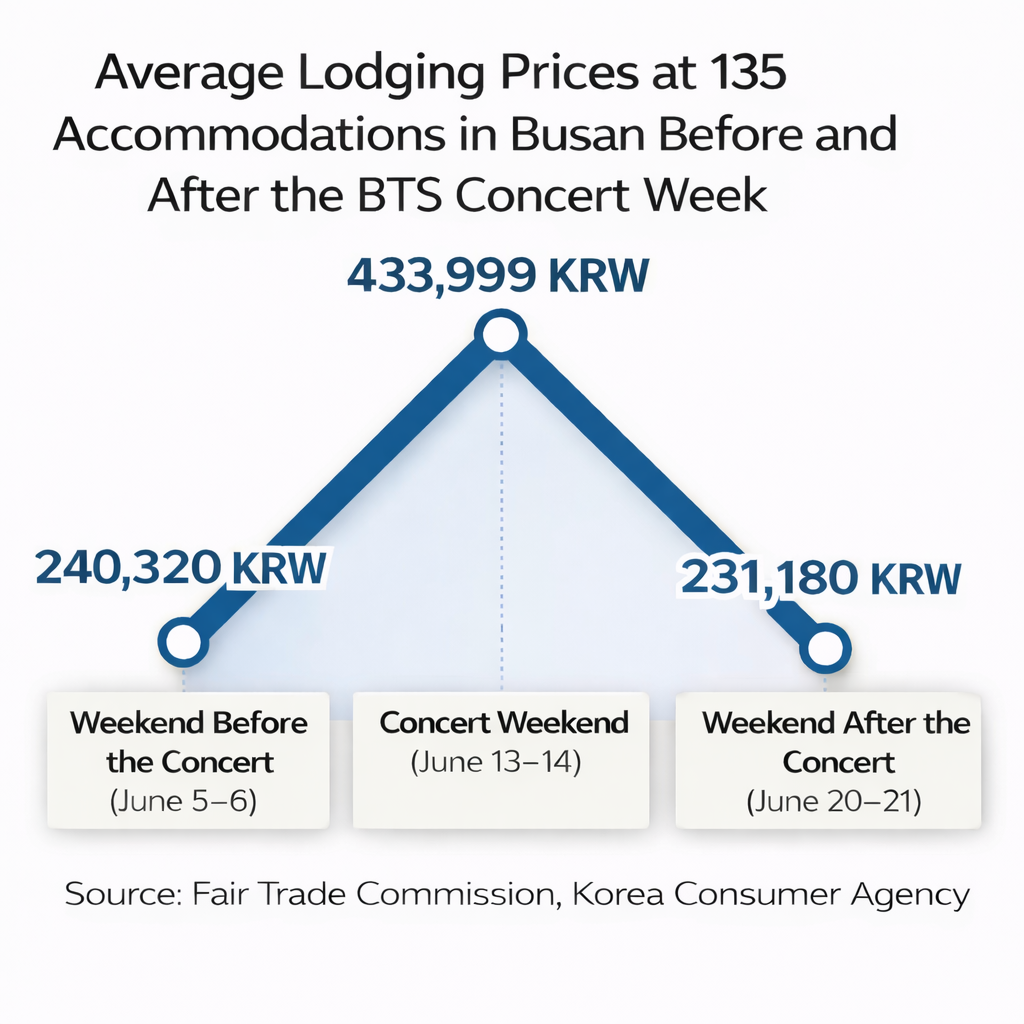
The average nightly rate for the June 13-14 concert weekend reached 433,999 won, about 2.4 times higher than the previous weekend (240,320 won) and the following weekend (231,180 won), according to a survey of 135 hotels, motels and pensions in the city unveiled by the Fair Trade Commission and the Korea Consumer Agency.
By type, motels recorded the steepest increase. The average motel rate rose to 3.3 times its usual level, reaching 325,801 won, while hotel prices showed a nearly threefold jump, climbing to 631,546 won. Pension prices rose 1.2 times to 296,437 won.
Price hikes were even more pronounced at individual properties. One property raised its nightly rate from 100,000 won to 750,000 won for the concert weekend, while 13 establishments increased prices by more than five times their regular rates.
The increased prices were mainly concentrated near the concert venue and major transport hubs. Accommodation prices within a 5-kilometer radius of Busan Asiad Main Stadium rose to 3.5 times their typical levels. In contrast, areas near major tourist destinations such as Haeundae and Gwangalli recorded relatively modest increases.
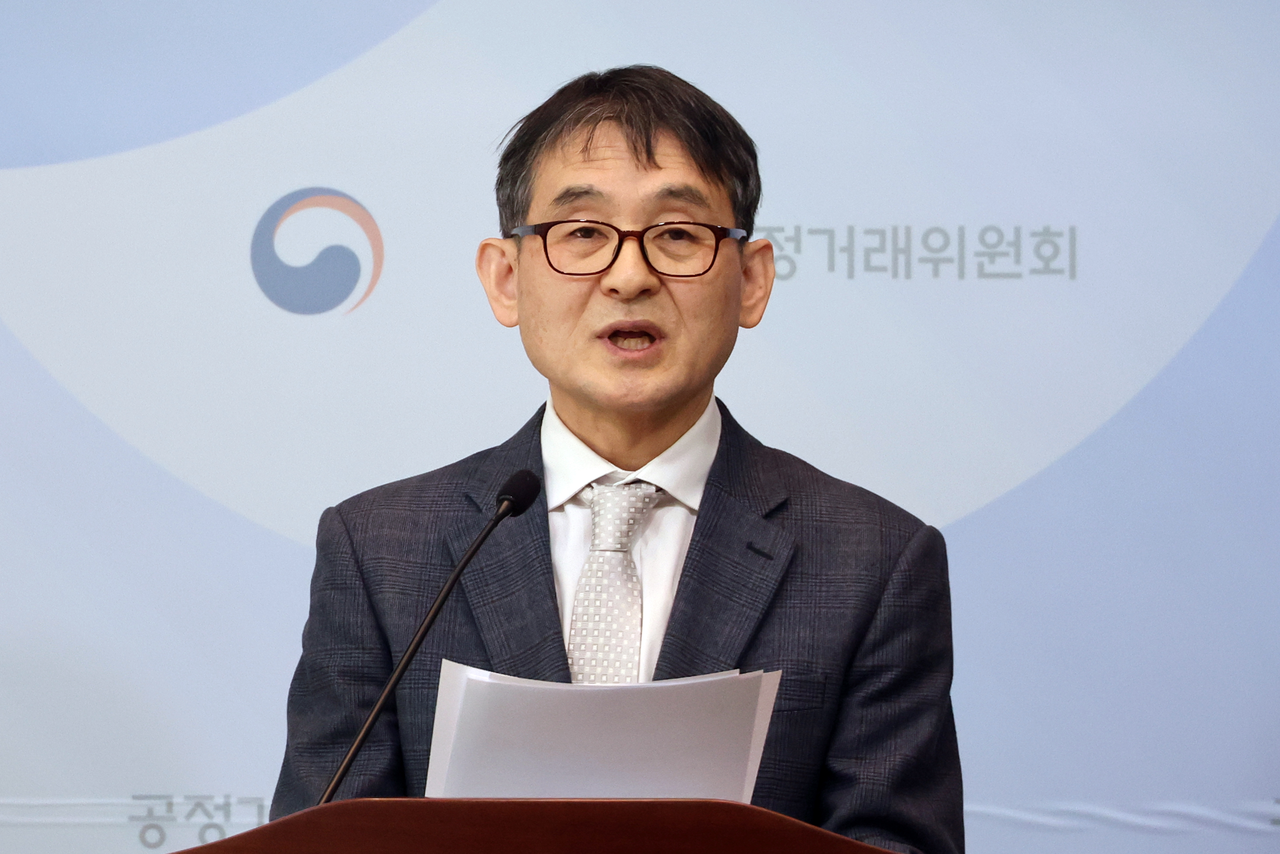
Park Jong-bae, director general of the Consumer Policy Bureau at the Fair Trade Commission, noted that the analysis was based on prices listed on reservation platforms and could vary depending on booking conditions. He also said, “Price increases alone do not necessarily constitute a violation of the law, but we are urging businesses to refrain from excessive hikes that could be perceived as unfair by consumers.”
The FTC advised travelers to choose accommodation based on overall pricing trends and regional differences when traveling to Busan during the concert season. The commission and the consumer agency vowed to continue monitoring the market and provide information to consumers when large-scale events or festivals trigger spikes in accommodation prices.
The government currently operates an interagency task force to draft comprehensive measures to curb excessive pricing in the lodging sector, with a broader plan aimed at improving price transparency set for release in the first quarter.
Recurring spikes in accommodation costs amid major events have raised concerns about consumer harm. According to the Korea Consumer Agency, complaints related to reservation cancellations and additional charges due to price fluctuations account for the largest share of consultations, while reports of substantial consumer losses have also persisted. Experts say stronger price transparency and consumer protection measures are required during periods of concentrated demand.
soeunshin0156@heraldcorp.com