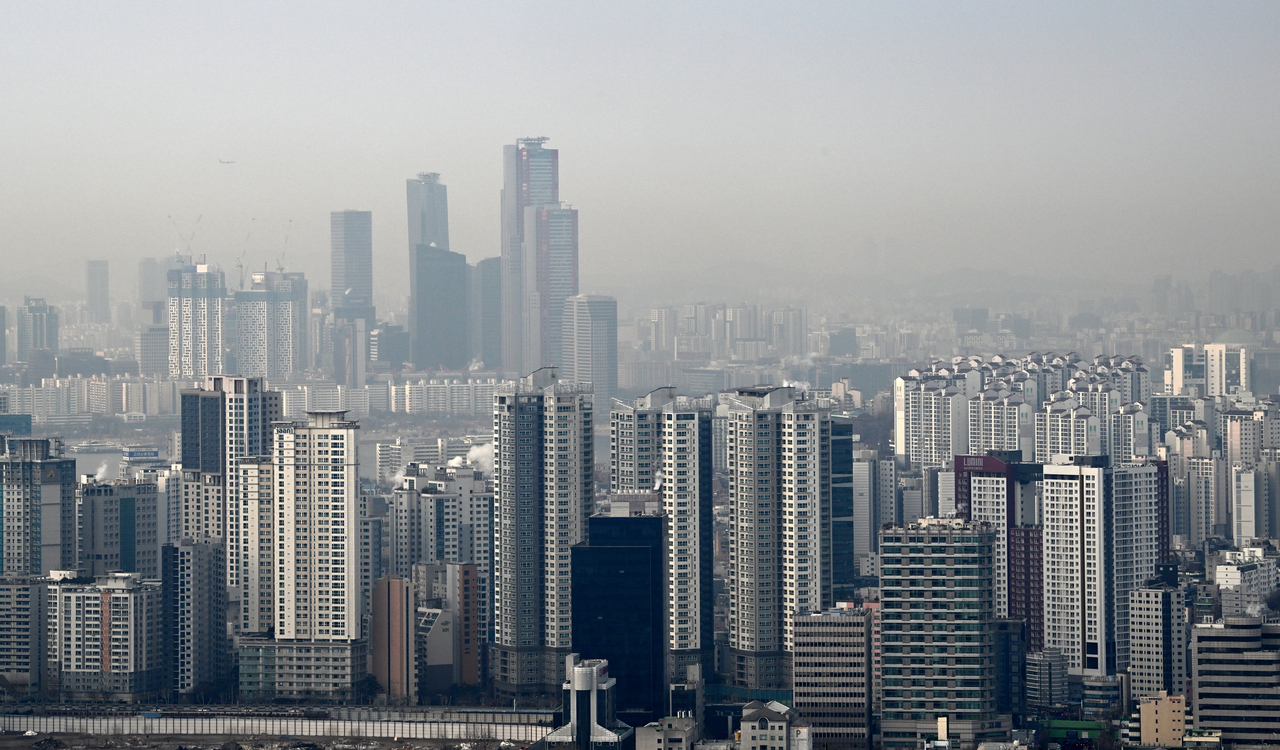
Seoul has been seeing an increase in residents in their 20s and 30s since 2019, despite a decline in the overall population for over a decade, according to data from the city government on Thursday.
The Seoul Metropolitan Government released the results of its analysis of domestic migration trends over the 24 years from 2001 to 2024. The study reviewed address change filings involving moves both within Seoul’s administrative districts and between Seoul and other provinces.
Since 2019, people in their 20s and 30s have been moving into Seoul at higher rates than they have been leaving. In 2012, this age group recorded a net outflow of 20,222, but by 2019, the trend had reversed, with a net inflow of about 19,000. Except for a dip in 2021, the inflow trend has continued, according to the report.
The city’s population declined in that period, but at a more moderate pace in recent years.
The number of people leaving Seoul fell from 751,000 in 2001 to 473,000 in 2024. Over the same period, the city’s net population outflow narrowed from 113,949 to 44,692.
Migration into Seoul from outside the city has also grown. Among people who moved to an address in the capital, the share coming from within the city declined from 72.2 percent in 2001 to 64.9 percent in 2024. During the same period, the proportion arriving from other provinces rose from 27.8 percent to 35.1 percent.
As of 2024, more than half of newcomers from outside Seoul came from Gyeonggi Province. When including Incheon, the greater capital region accounted for 70.7 percent of all arrivals. The net outflow from Seoul to Gyeonggi Province decreased sharply, falling from 120,000 in 2021 to 60,000 in 2024.
Motivations for moving have shifted as well. Among those relocating from Gyeonggi to Seoul, the share citing employment rose from 24.2 percent in 2013 to 30.6 percent in 2024, while the proportion moving for housing dropped from 32.5 percent to 20.5 percent. For Seoul-bound migrants in their 20s and 30s, 39.2 percent moved for job-related reasons, up 9.4 percentage points from 2013.
Migration patterns have also become more individual. In 2024, single-person moves accounted for 79.8 percent of new arrivals in Seoul, a 15.9-percentage-point increase from 2004. Of those single-person movers, 68.8 percent were between the ages of 19 and 39, with employment and family reasons cited most often.
The city government said the full analysis is now available on the Seoul Open Data Plaza and that it plans to launch a visualization service in June showing migration trends from 2001 to 2024.
“It is important to focus not just on the scale of migration into Seoul but also on the shifting purposes and patterns behind it,” said Kang Ock-hyun, head of Seoul’s Digital City Bureau.
“We aim to improve the precision of policy analysis and urban planning by reflecting the growing inflow of young adults and the rise of individual-based migration.”
jychoi@heraldcorp.com