Travel in 2026 will be less about ticking off destinations and more about personal meaning, identity and self-directed experience, according to a global survey released by Booking.com.
Based on responses from nearly 29,000 travelers across 33 countries, including South Korea, the report points to a decisive shift away from standardized itineraries toward travel shaped by individual values, interests and emotional needs. The defining theme is simple: the traveler, not the trend, is now the main character.
One of the strongest signals of that shift is the rise of so-called “romantasy” travel, blending romance and fantasy. Many travelers say they are drawn to destinations inspired by fictional worlds, with more than half expressing interest in immersive, role-playing travel experiences. Technology plays a central role, with most respondents saying AI helps them find themed accommodations, filming locations and lesser-known spots that match their imagined narratives.
Accommodation itself is also evolving. Tech-integrated villas equipped with humanoid assistants and smart systems are gaining acceptance, not only for convenience but for novelty. Travelers cited cleaning, cooking and the experience of staying in a robot-enabled space as part of the appeal, signaling that lodging is increasingly seen as entertainment rather than a passive backdrop.
Relationships are another area being tested on the road. Many respondents said they would travel with a potential partner or new companion to better understand compatibility, sometimes by intentionally choosing remote destinations or handing over control of trip planning. Younger travelers, especially Gen Z, were most likely to see travel as a way to reveal real-world dynamics.
Everyday life is also shaping travel choices. Kitchenware, pantry items and edible souvenirs are replacing decorative keepsakes, with travelers favoring objects that bring travel memories into daily routines. For some, destinations themselves are chosen for their culinary or design associations.
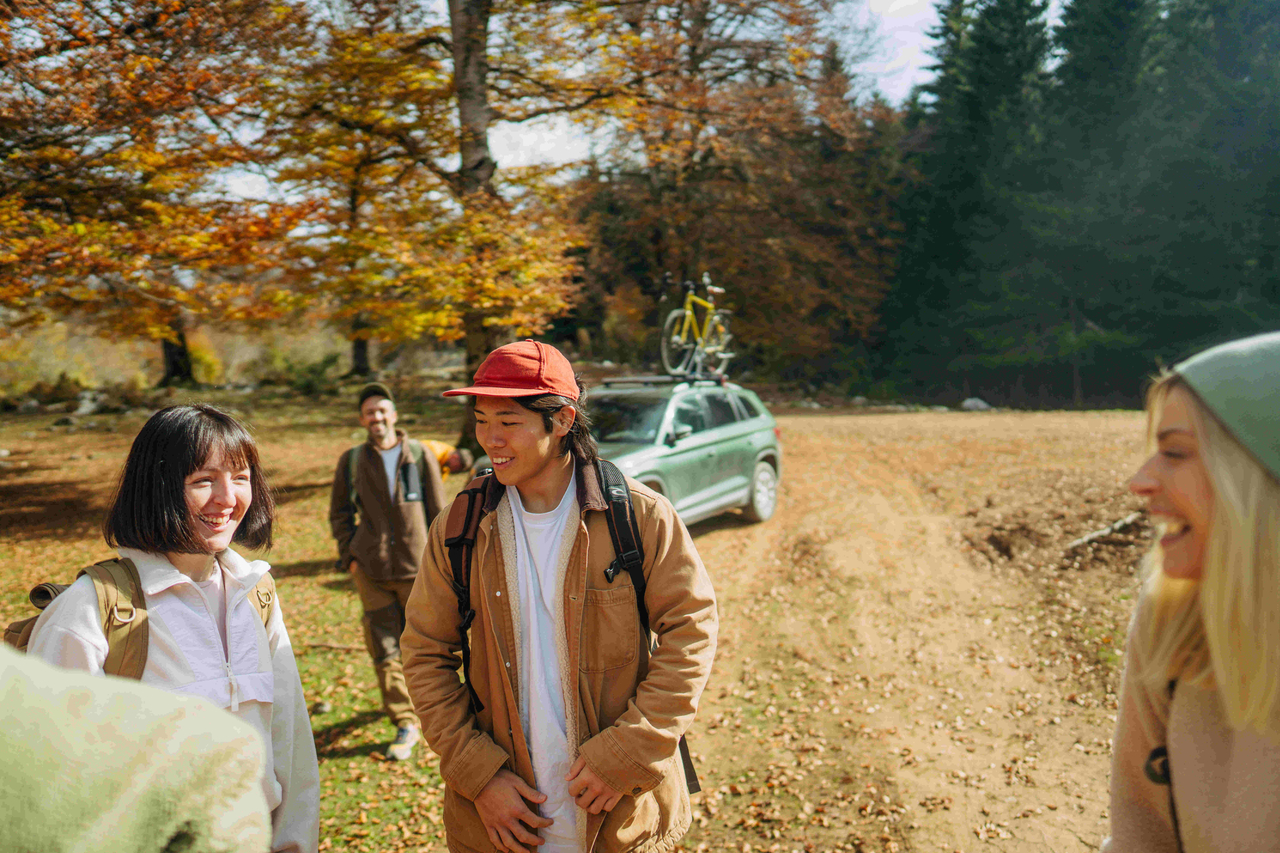
Other trends highlight openness and introspection. Road trips are becoming more social and flexible, with travelers willing to share rides or routes with strangers using apps and AI tools. At the same time, quieter forms of travel focused on nature observation, foraging and low-stimulus environments are gaining traction.
There is also a growing interest in spiritually guided travel, from astrology-based scheduling to trips aligned with lunar cycles, particularly among younger generations.
Nostalgia and self-reward round out the picture. Many travelers want to revisit places tied to personal memories, while others book trips simply to mark personal growth or lifestyle changes.
yoohong@heraldcorp.com