South Korea should strengthen maritime capabilities and international cooperation as North Korea now views the seas as a “core strategic space” that goes beyond military activities, the Asan Institute for Policy Studies said in a report.
According to the report, the North now views the seas as a “multifaceted strategic space for survival and development,” and will likely expand its maritime policies into its own Indo-Pacific strategy that requires a matching response from Seoul.
As North Korea’s maritime strategy could grow to be a major pillar in North Korea-China-Russia cooperation, South Korea should give more weight to maintaining international order and maritime security in its Indo-Pacific strategy, the report said.
Measures suggested by the think tank include building a pan-governmental cooperation network to boost the country’s surveillance capabilities at sea, and institutionalizing maritime security cooperation with Japan and the US.
Citing additions to North Korea’s navy in recent years, the report said Pyongyang appears to be seeking to reshape maritime order in the region, thereby expanding its presence and gaining leverage.
Pyongyang has been strengthening naval capabilities since 2020, stressing the need to gain blue-water operational capabilities, while continuing to reject the Northern Limit Line in the West Sea.
According to the think-tank, such developments hint at major changes in Pyongyang’s approach to maritime strategies as it takes a double-layered approach to gain both short- and long-term goals.
For short-term goals, the report cited survival and bypassing sanctions through activities such as illegal transfer of goods at sea, and selling fishing rights, as well as increasing cooperation with China and Russia.
For mid- to long-term goals, the report said that North Korea seeks maritime nuclear capabilities, citing developments such as the testing of submarine-launched ballistic missile technologies and the leadership’s public call to build a blue-water navy.
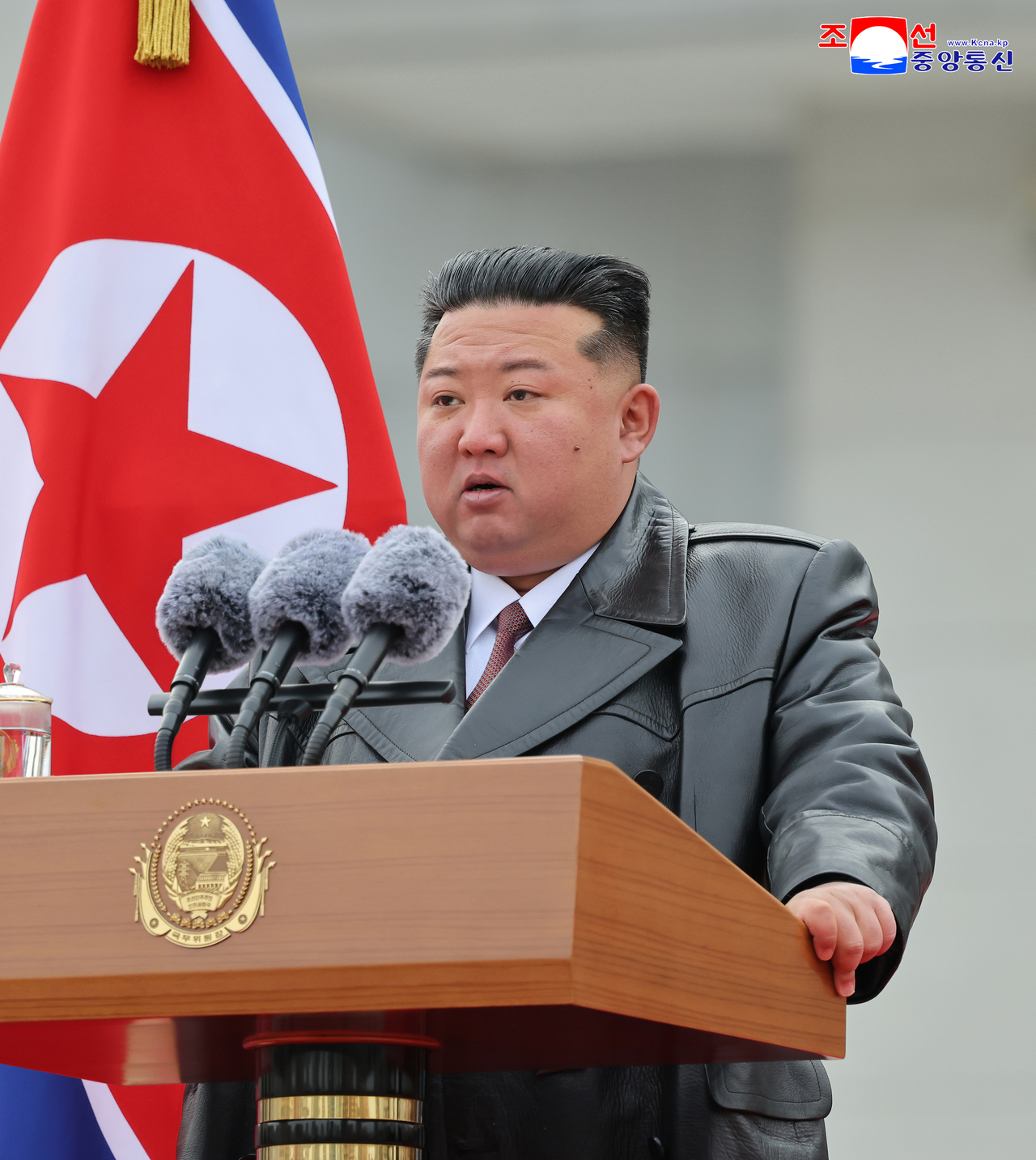
At the launch ceremony for a 5,000-ton destroyer in April, North Korean leader Kim Jong-un said that securing blue-water operation capabilities is “the surest way of preventing foreign forces from increasing military capabilities on the Korean Peninsula in the event of war.”
Related developments point to a drive to secure second-strike capabilities, the report said, adding Pyongyang's ability to deploy nuclear weapons at sea would fundamentally change the threat posed by the regime.
cheesuk@heraldcorp.com