Six-month investigations leave 27 indicted, five arrested
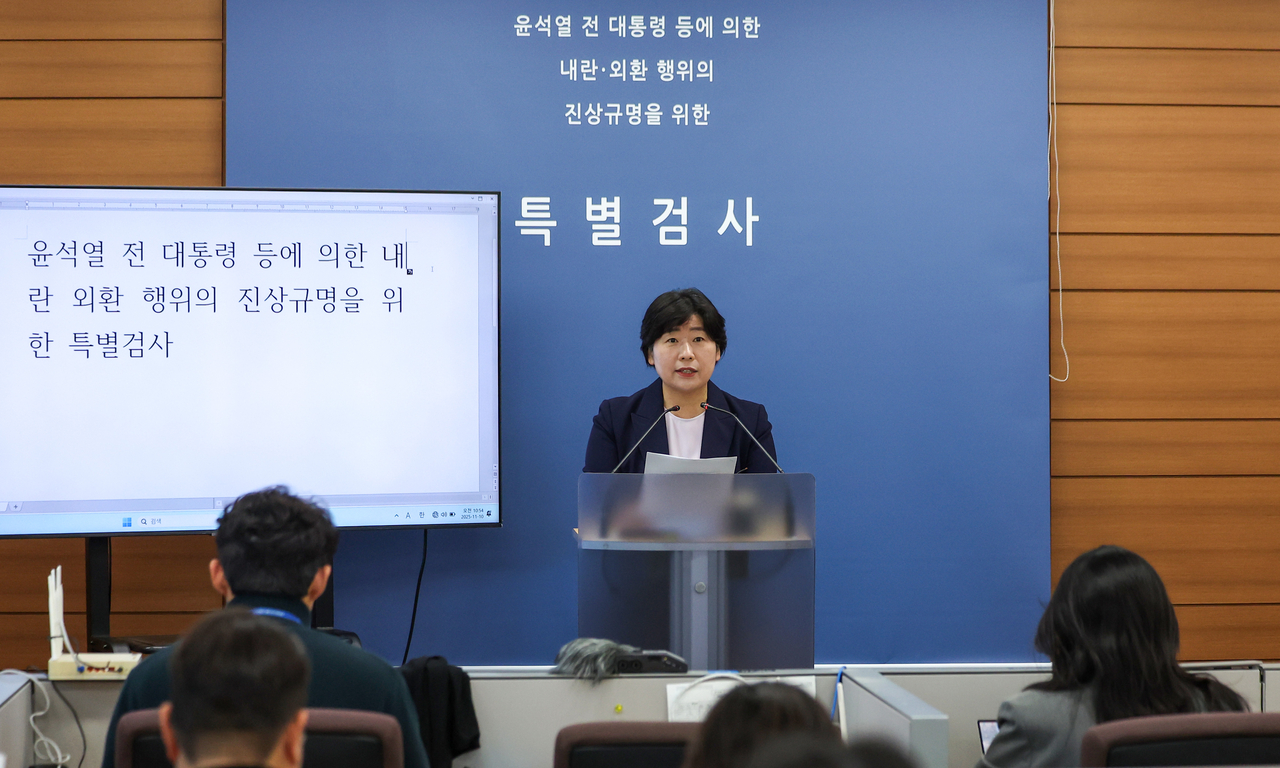
The special counsel team investigating suspicions of insurrection linked to former President Yoon Suk Yeol’s failed martial law decree is set to conclude on Monday, with Special Counsel Cho Eun-seok’s briefing slated to present the team’s findings.
Cho is scheduled to appear before the media at 10 a.m. on Monday to disclose the results of the investigation, including when and why then-President Yoon first decided to declare martial law.
The special counsel was formally launched on June 18, 2025, mobilizing 267 prosecutors, investigators and public administrators. Cho, who has not spoken publicly since the probe began, is expected to offer a comprehensive account of the investigation’s conclusions and the legal reasoning behind them.
The team has indicted 24 suspects, including Yoon, on insurrection-related charges. When cases handled by military prosecutors in coordination with the special counsel are included, the total rises to 27. The counsel also sought 11 arrest warrants, five of which were approved by the court.
How the special counsel came to be
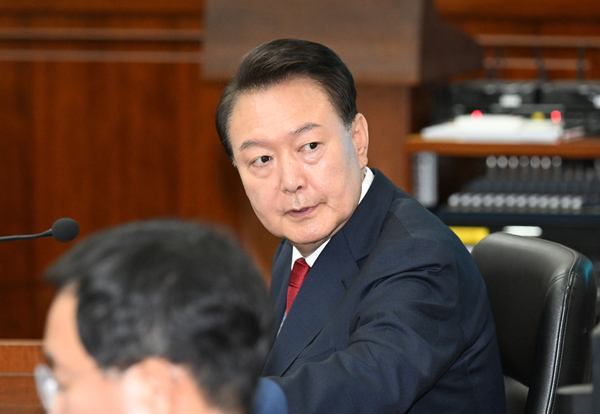
Calls for a special investigation into Yoon’s martial law decree and alleged insurrection emerged on Dec. 9, 2024, a week after the short-lived declaration.
Beginning Dec. 12, 2024, Democratic Party of Korea lawmakers passed two bills seeking to establish a special counsel. Both were vetoed by then-acting President Choi Sang-mok on Dec. 31 and Jan. 31, respectively, delaying the probe until after President Lee Jae Myung took office in June.
Upon his appointment, Cho told President Lee that he would “carry out the role of special counsel solely in accordance with investigative logic, with the integrity and discipline of one who writes the sacho (official historical records of the ancient dynasties)."
Six days later, Cho indicted and arrested former Defense Minister Kim Yong-hyun. Three weeks later on July 10, Yoon himself was arrested for the second time, sending the former president back to detention just 124 days after his release by court order. Yoon had in January become the first-ever sitting president to be arrested, as part of the criminal investigation for charges of leading an insurrection.
The counsel also arrested former Interior Minister Lee Sang-min, though it failed to take the rest of Yoon’s Cabinet into custody.
Failed arrests, historic indictments
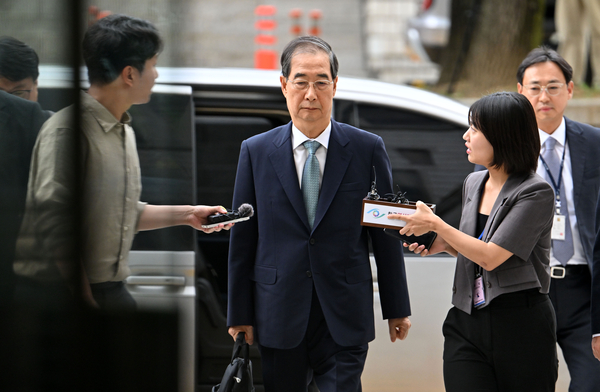
The special counsel's investigation drew criticism after courts rejected arrest warrants for former Prime Minister Han Duck-soo, People Power Party lawmaker Choo Kyung-ho and former Prime Minister Hwang Kyo-ahn, with critics accusing the counsel of overreach.
Criticism intensified when the court struck down a second arrest warrant for former Justice Minister Park Sung-jae, sought after an additional monthlong investigation despite an earlier rejection.
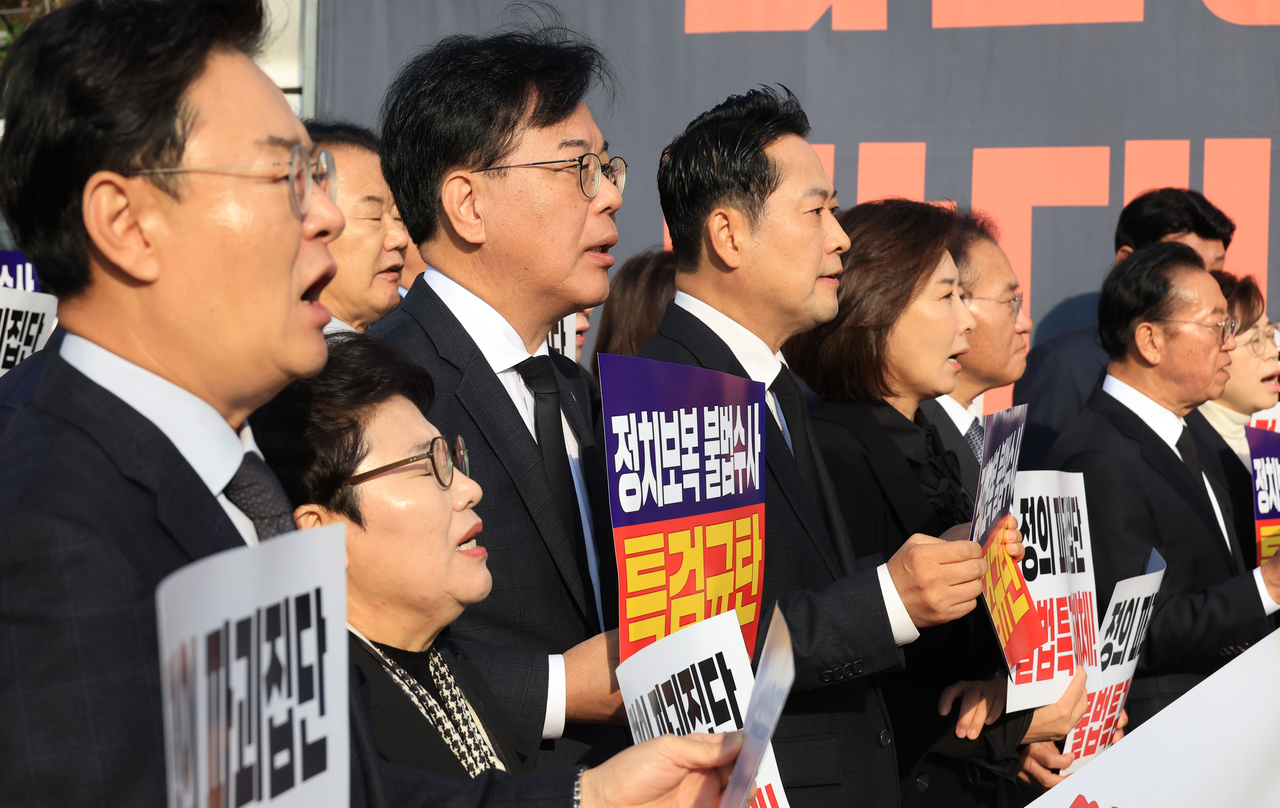
Nonetheless, the special counsel proceeded to indict key figures in Yoon’s administration, including former Prime Minister Han, former presidential chief of staff Chung Jin-seok and former Finance Minister Choi Sang-mok.
The probe also marked a legal first by indicting a former president on charges related to acts benefiting an enemy state. Prosecutors concluded that Yoon deliberately escalated tensions with Pyongyang to justify imposing martial law.
Yoon was accused of secretly deploying drones into North Korean airspace without notifying military units along the demilitarized zone, creating a serious lapse in national security.
New findings on motive and timeline
The counsel further alleged that Yoon had contemplated martial law as early as November 2022 — nearly two years before earlier estimates that placed planning in March or April 2024.
In its arraignment, prosecutors cited Yoon as saying, “I have emergency powers. I will get rid of all of them … I will get rid of all of them, even if I am shot to death,” during a private dinner in 2022 with then-ruling People Power Party leadership.
Investigators identified two main factors that may have driven Yoon’s decision.
First, when Yoon took office in 2022, the opposition Democratic Party held a majority in the National Assembly, stalling key policies and delaying Cabinet formation for nearly six months. The counsel said Yoon appeared to view martial law as a political breakthrough to overcome legislative gridlock.
Second, the counsel pointed to mounting legal risks surrounding former first lady Kim Keon Hee. She faced allegations involving bribery, stock manipulation and undue influence in state affairs. Prosecutors said they obtained evidence showing the couple discussed Kim’s legal risks with then-Justice Minister Park.
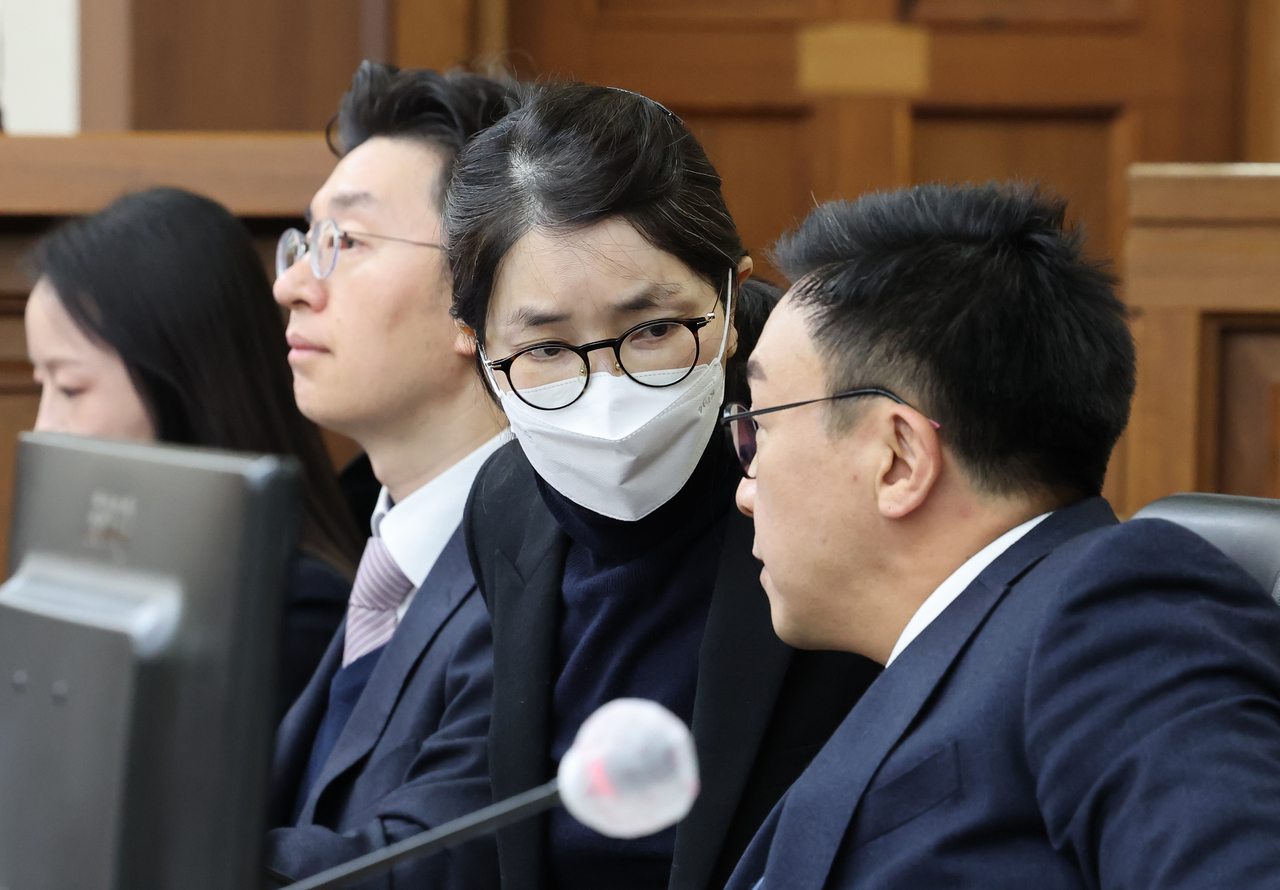
Until now, the reasons for Yoon’s martial law bid specified in the counsel’s arraignment have been largely based on Yoon’s own justification — citing government paralysis caused by what he claimed were excessive impeachment motions led by the then-opposition bloc and the need to eliminate “anti-state forces.” Prosecutors said the arraignment may be revised based on the newly uncovered findings.
The counsel made its final additional indictment Saturday, again targeting former Defense Minister Kim Yong-hyun.
At Monday’s press conference, the focus will be on whether the special counsel will disclose definitive conclusions regarding Yoon’s precise motives for declaring martial law and the extent of Kim Keon Hee’s alleged involvement.
seungku99@heraldcorp.com