Seoul activates emergency transit plan to limit commuter disruption
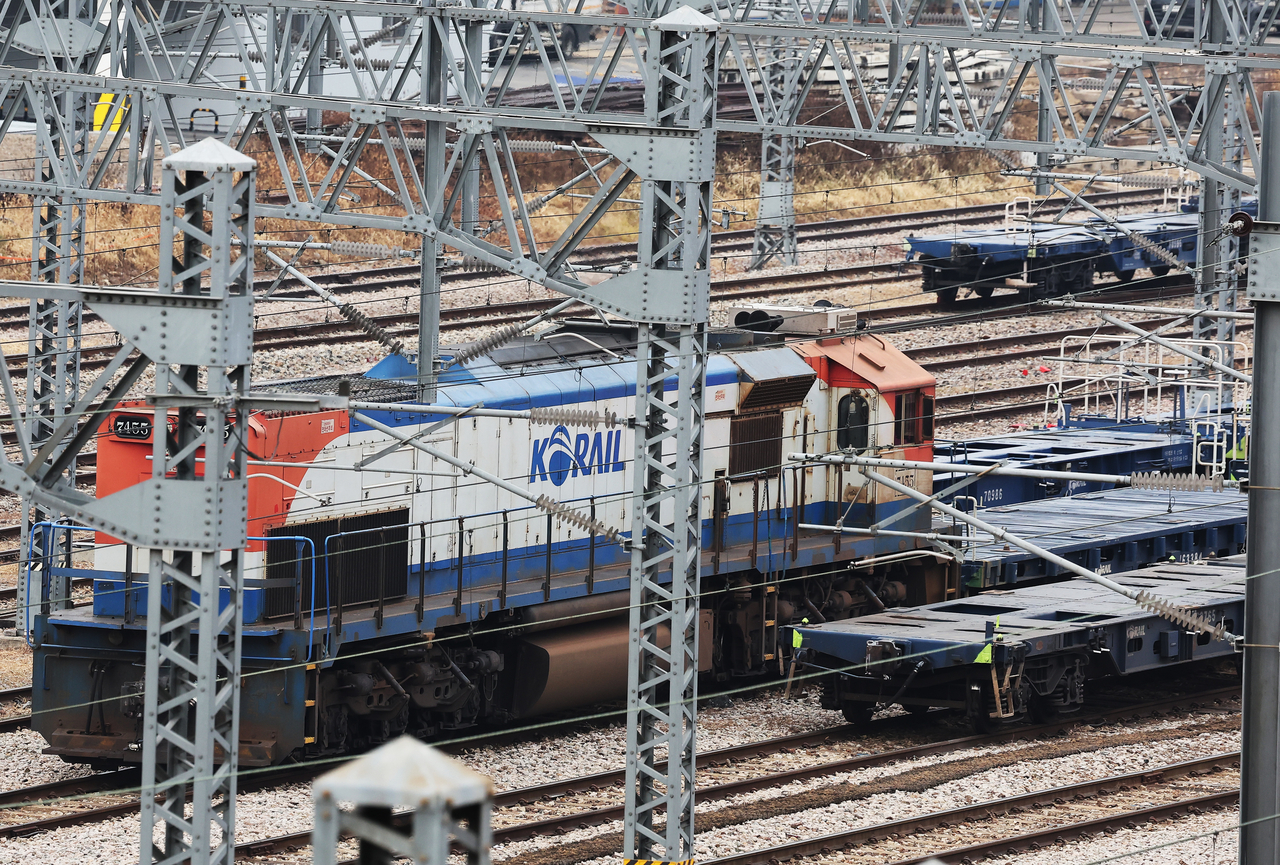
South Korea’s railway union will launch an indefinite strike starting Thursday after its last-ditch negotiations with Korea Railroad Corp. collapsed Wednesday, raising concerns over nationwide commuter delays and reduced train operations.
In response, the Seoul Metropolitan Government announced a sweeping emergency transportation plan to keep rush-hour mobility as close to normal as possible.
Negotiations fell through just 30 minutes after they began, with government negotiators declining to discuss the union’s core demand to restore the performance-based bonus system. The union argues that the current structure, which calculates bonuses using only 80 percent of base salary, leaves workers underpaid compared with other public-sector employees.
Alongside bonus normalization, the union is pushing for stronger safety measures ahead of the integration of KTX and SR high-speed rail services.
It argues that the government has stalled on bonus reforms promised during December 2024’s strike settlement and accuses the finance ministry of blocking Korail from paying what it says are hundreds of billions of won in overdue wages.
Of the union’s 22,000 members, more than 10,000 plan to walk out beginning Thursday at 9 a.m. 12,000 are designated as essential personnel and will remain on duty.
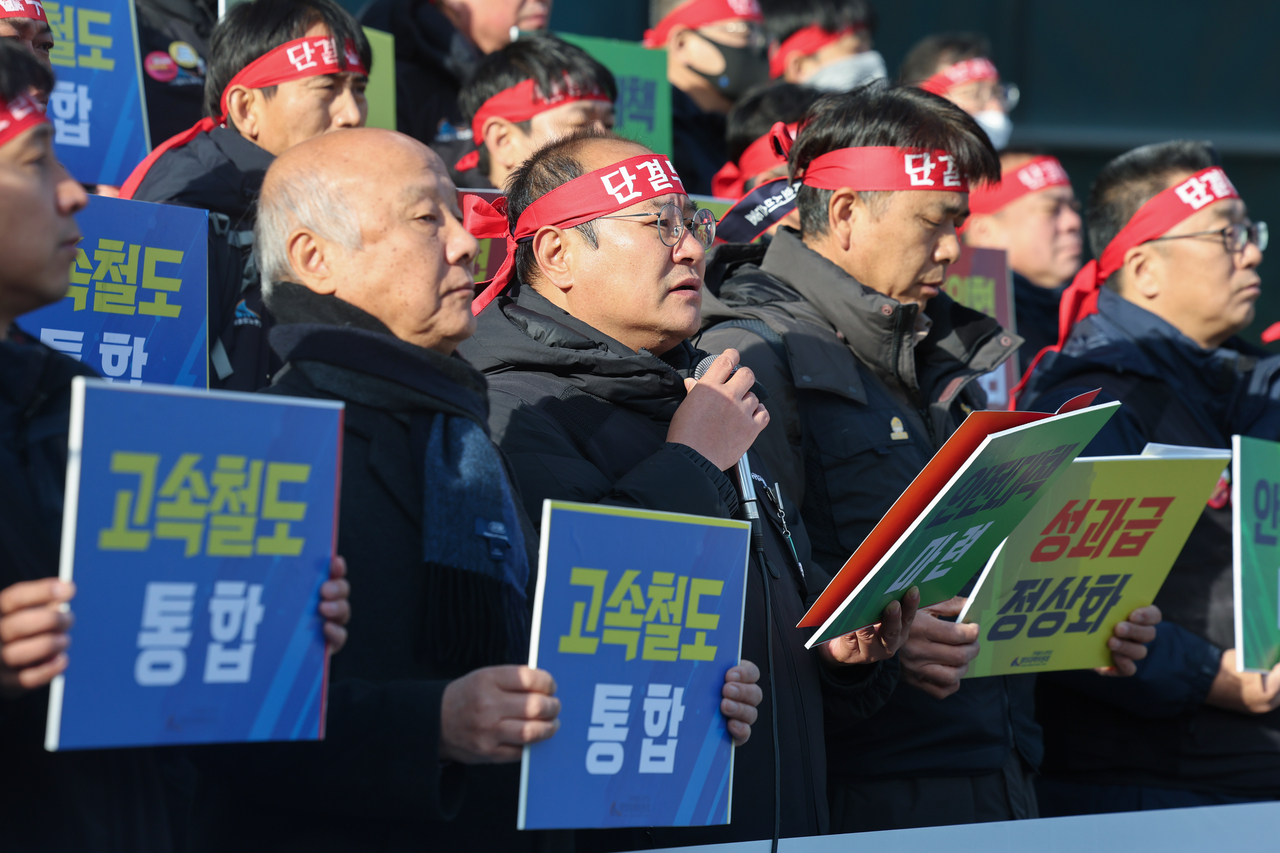
Korail expects significant disruptions across the national rail network during the strike. Commuter rail services in the Seoul metropolitan area will operate at 75.4 percent of the normal schedule, with more than 90 percent of trains running during the morning rush hour.
KTX services will operate at 66.9 percent of usual levels, while Saemaeul trains will run at 59 percent and Mugunghwa trains at 62 percent. Freight trains will operate at 21.5 percent of normal capacity, prioritizing export–import cargo and essential industrial goods.
Korail has activated a 24-hour emergency response headquarters led by acting CEO Jeong Jeong-rae and has entered an emergency transport system. The company said it will mobilize 15,369 personnel — 4,920 substitute workers, such as internal qualified drivers and external hires, and 10,449 essential staff — to maintain train operations as much as possible.
To minimize confusion for passengers, Korail is providing real-time service updates through the Korail Talk app, its website, station announcements, passenger information displays and onboard screens. Trains suspended during the strike are marked as “service canceled,” and ticket holders receive text messages and push notifications.
Tickets for canceled trains will be fully refunded without penalty, with automatic refunds issued without requiring passengers to submit a request. Tickets purchased with cash can be refunded at any station within one year.
With the strike expected to affect regional and long-distance rail operations, Seoul City has moved to secure additional transport capacity to protect urban commuters.
A separate strike by Seoul Metro workers, scheduled to begin Friday, has heightened concerns of two consecutive days of transit disruption.
On Wednesday, the city activated its emergency transportation response headquarters and finalized contingency plans in coordination with Korail, Seoul Metro, bus operators, district offices and police.
Seoul will increase bus frequency, extending peak-hour intensive dispatching by one hour in both the morning and evening across 344 routes. The measure is expected to add the equivalent of 2,538 additional bus trips, a Seoul city official explained.
If Seoul Metro workers strike Friday as planned, subway Lines 1 through 8 will operate at full capacity during the morning rush hour. Evening service will remain fully maintained on Lines 2 and 5 to 8, with overall operations running at about 88 percent. Line 9 will run normally throughout the day.
To manage congestion, the city will deploy 124 municipal staff to 31 high-traffic stations and mobilize more than 13,000 personnel to maintain safety, crowd control and station operations.
Real-time transportation updates will be provided through the Topis website, bus stop electronic displays and the “Ttota Subway” mobile app.
“We are mobilizing every available resource to minimize inconvenience for subway users,” said Yeo Jang-kwon, head of Seoul’s transportation department. “We hope the unions and management reach a swift agreement, but we will do everything necessary to keep the system running safely and reliably.”
jychoi@heraldcorp.com