District officials seek to protect historic site, where freedom fighters once gathered to declare Korea’s independence from Japan
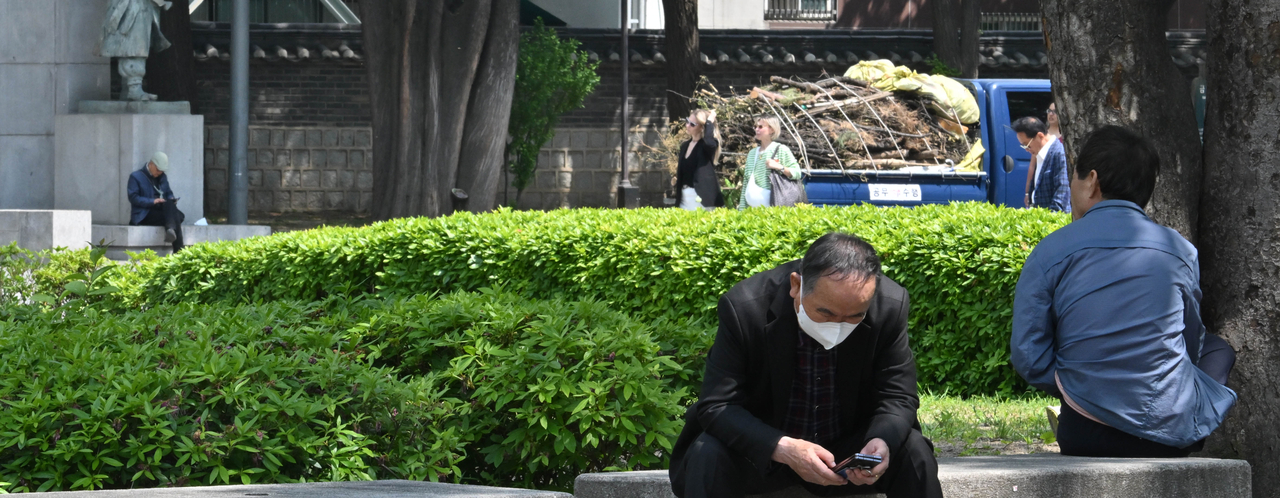
Tapgol Park in central Seoul, known as the first modern park in the country, has been designated as a no-drinking zone as part of district officials' efforts to preserve the prominent historic site.
The Jongno District Office said Monday that drinking alcoholic beverages or possessing an open bottle of such drink have been banned inside the park, having taken effect Nov. 20. The grace period for the new policy extends to March 2026. Violators face an administrative fine of 100,000 won ($68) starting April 1.
Jongno-gu, populated by 137,449 people as of October, is widely regarded as a central region of the South Korean capital for housing headquarters of several prominent government organizations, along with sites of historical and cultural heritage. This includes Tapgol Park, formerly called Pagoda Park, which was built during the fleeting years of the Joseon era, in the Korean Empire.
It holds a particular significance in the country's history as the epicenter for the March First Movement in 1919 for Korea's independence from Japan, as the declaration of independence was read in the Tapgol Park.
The park is frequented by both locals and foreign visitors today, but controversy has stirred over unruly behavior in the area, contributed substantially to overindulging in alcohol. On July 31, the district launched a crackdown with local police on smoking, drinking and other activities not suitable for public space, which has been followed up by the aforementioned official ban on drinking.
Preservation efforts for historical relics within the park will also take place, such as for the National Treasure known as the Ten-story Stone Pagoda at Wongaksa Temple Site, Seoul. This monument from the 15th century was part of the Buddhist temple Wongaksa, which had been located at the Tapgol Park site.
The pagoda is surrounded by protective glass, which has been the subject of dispute as it has deterred visitors from getting a closer look, while offering only limited protection from ongoing corrosion for the centuries-old relic.
The district office plans to review multiple options to protect the monument while offering an optimal environment for visitors, the outline for which will be confirmed by March. It will then undergo subsequent review by the Korea Heritage Service.
minsikyoon@heraldcorp.com