Expo highlights AI’s role in sustainable urban development
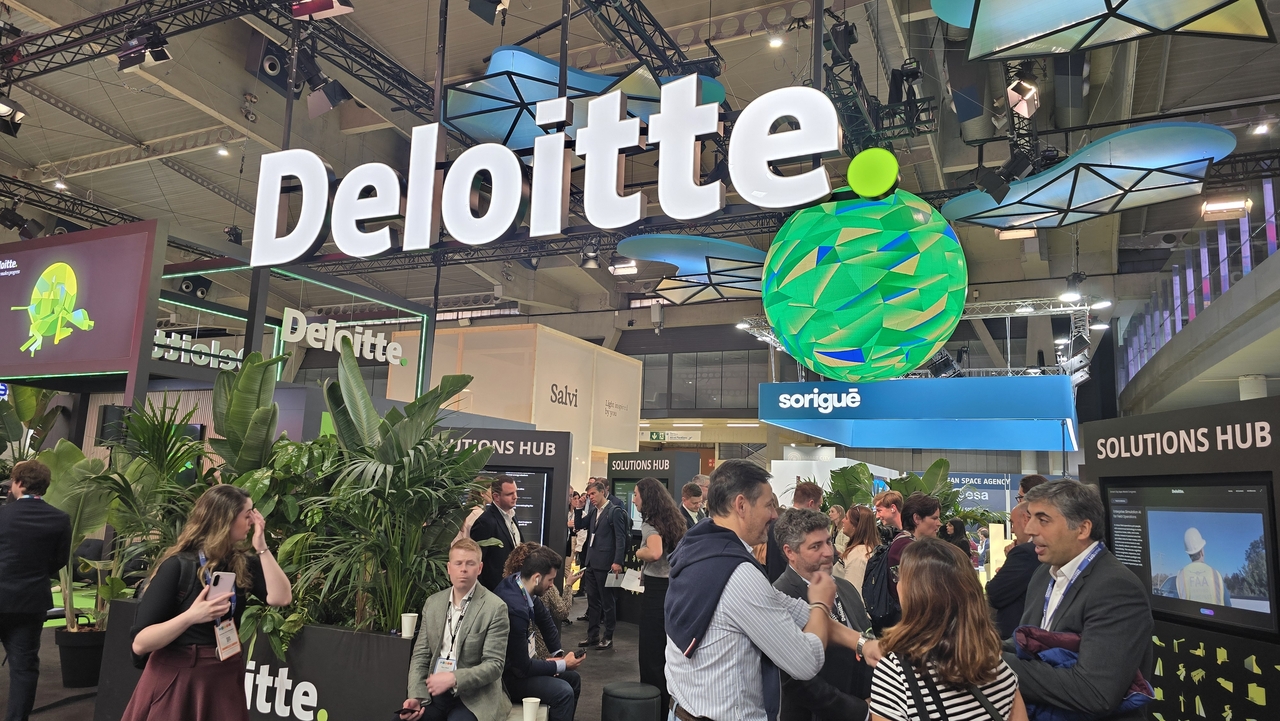
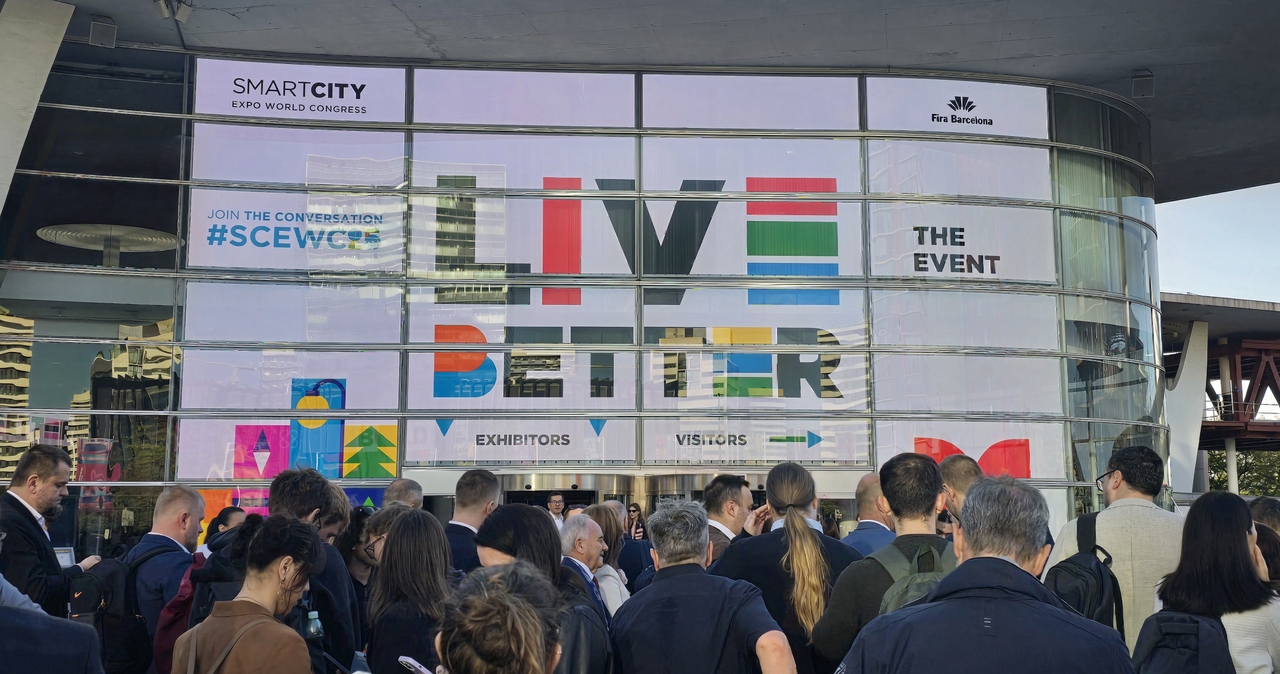
BARCELONA, Spain — The Smart City Expo World Congress, the world’s largest and most influential event on urban innovation, opened Tuesday in Barcelona, Spain, welcoming over 25,000 participants and 1,100 exhibitors — the biggest edition to date.
Held under the theme “The Time for Cities" at Fira Barcelona Gran Via, this year’s three-day event centers on how emerging technologies — particularly artificial intelligence — can shape more sustainable, resilient and people-oriented cities.
The congress serves as a global platform for urban leaders, companies and innovators to share strategies and solutions for transforming urban life.
“A smart city is above all a city that helps people live better. We are shaping and we are implementing and acting towards the drive and large-scale implementation of innovation in our cities,” said Ugo Valenti, managing director of the Smart City Expo World Congress, during the opening keynote speech.
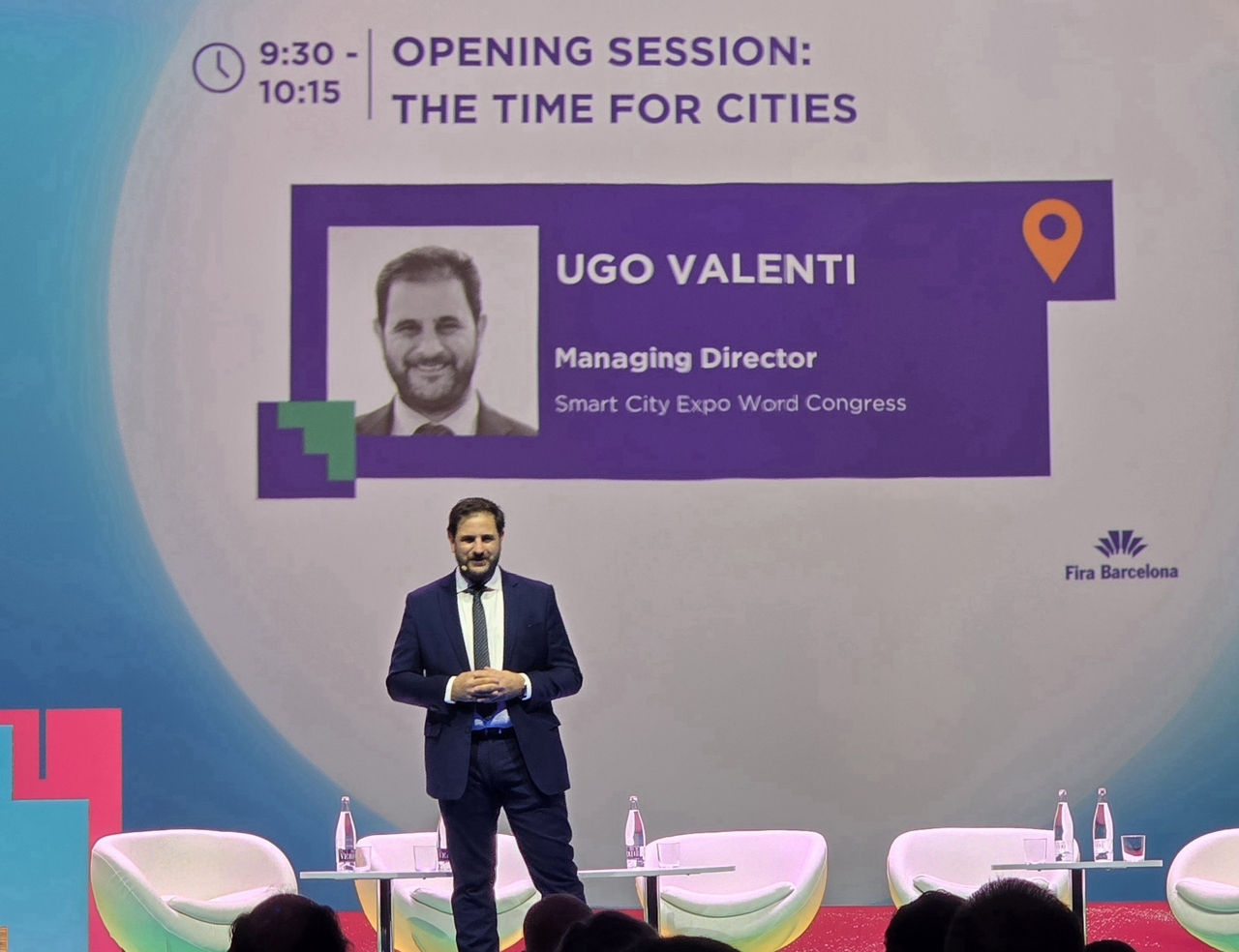
“Let’s seize this moment, let’s build the cities we all believe in because the time for (the smart) city is not tomorrow. The time for the city is today,” he added.
Jordi Valls, deputy mayor of the Barcelona City Council, emphasized the role of innovation in addressing pressing global challenges.
“A smart city does not deny climate change, but one that implements actions to achieve net zero emissions. A smart city is not the one that loses power, but the one that guarantees the right to stay. In short, a smart city places its innovative and technological capacities at the service of these goals,” he said.
This year’s congress features cutting-edge solutions across sectors including mobility, clean energy, digital governance and infrastructure, underscoring how AI is being deployed in real-world city environments.
Major global firms — including Google, Dell Technologies, Deloitte, Microsoft and Nvidia — have set up pavilions to showcase their latest smart city offerings. However, Korean tech giants were largely absent from this year’s exhibition floor.
National pavilions from 14 countries — among them the US, France, Saudi Arabia, Korea and Japan — are spotlighting both public-sector initiatives and private-sector breakthroughs in urban development.
More than 600 speakers are taking part in the program, which is organized around eight thematic tracks: enabling technologies, energy and environment, mobility, governance and economy, living and inclusion, infrastructure and building, safety and resilience, and the blue economy.
Among the keynote speakers are Nikki Greenberg, founder of Real Estate of the Future; Kate O’Neill, tech humanist at KO Insights; Carlo Ratti, director of design and innovation firm Carlo Ratti Associati; and Jeff Merritt, head of urban transformation at the World Economic Forum.
yeeun@heraldcorp.com