2025 communique omits long-standing pledges to free, open trade and multilateralism
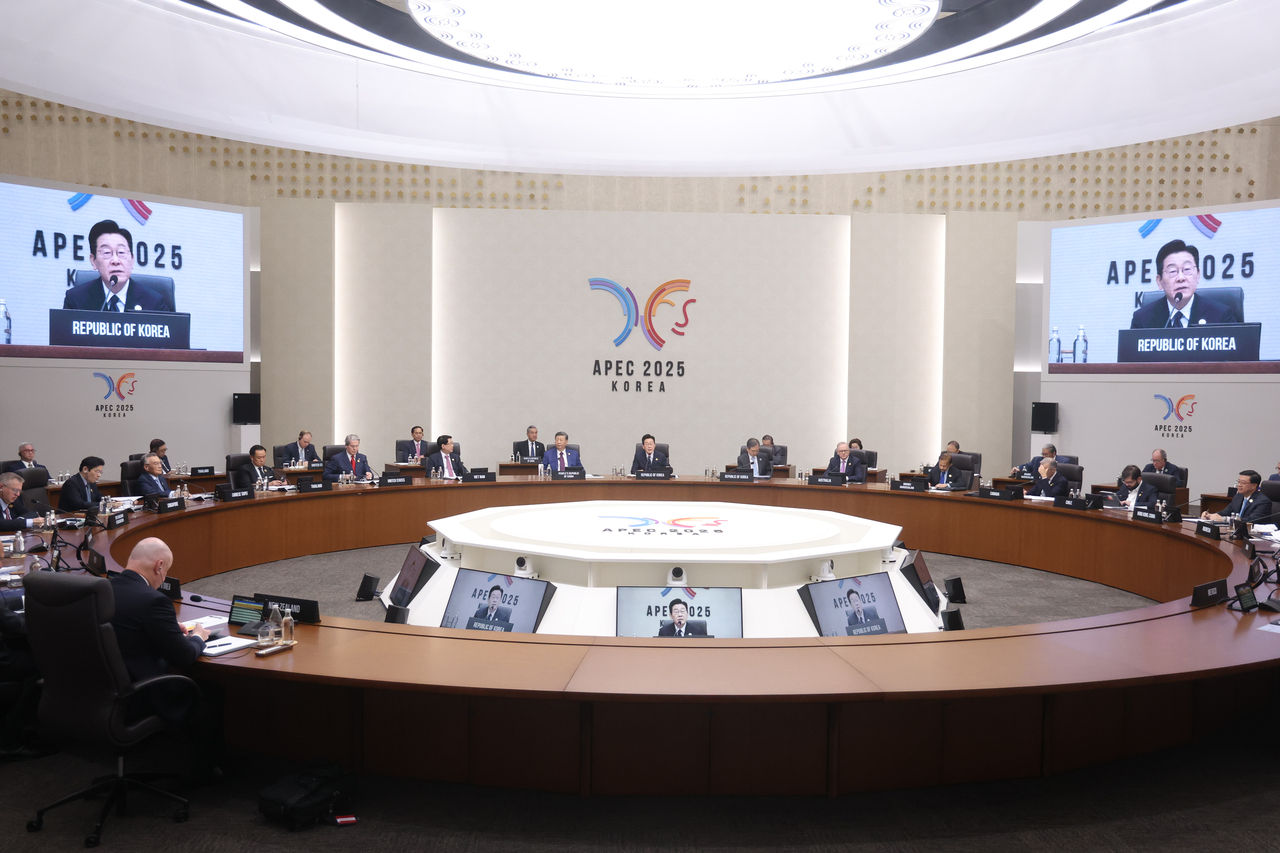
GYEONGJU, North Gyeongsang Province — APEC’s 2025 Gyeongju Declaration, adopted by consensus among all 21 member economies after strenuous and tense negotiations, marks a major break from the past for two key reasons.
The joint communique notably elevates artificial intelligence, demographic shifts and cultural industries — issues the forum had long overlooked — to the forefront of regional cooperation to tackle real-world challenges and seize new opportunities facing APEC members.
Yet, the declaration notably omits the customary pledges to “free and open trade” and to the rules-based multilateral trading system epitomized by the World Trade Organization — language that had long anchored APEC leaders’ statements. These omissions ocurred amid a surge in protectionism and in trade as a security issue, compounded by intensifying strategic competition between the United States and China.
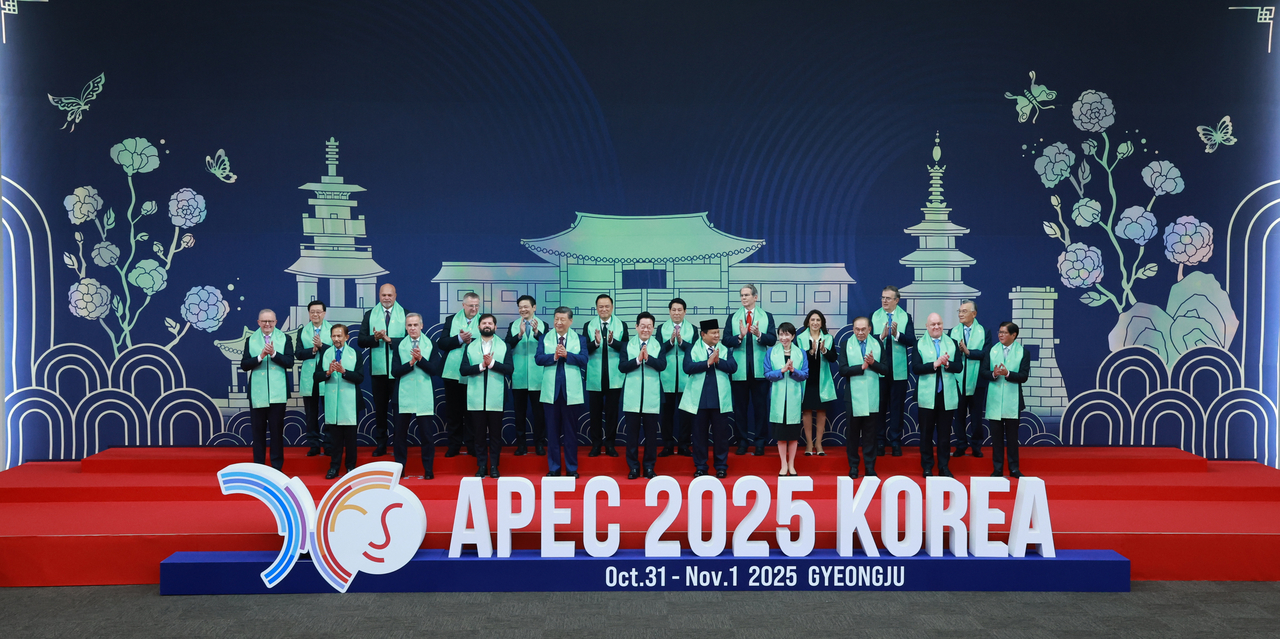
The Gyeongju Declaration was issued at the conclusion of the two-day Asia-Pacific Economic Cooperation summit on Saturday in the historic city of Gyeongju, North Gyeongsang Province.
Seoul drives APEC toward new frontiers
South Korea’s presidential office underscored that the Gyeongju Declaration has “identified key economic phenomena and trends in the Asia-Pacific economy and elevated them to APEC’s core agenda.”
“For the first time at the APEC leaders’ level, the declaration presented a shared perception and cooperative direction on AI, demographic change, and cultural and creative industries,” it added.
As chair of APEC 2025, South Korea prioritized AI and demographic shifts like low birth rates and aging societies as key deliverables for APEC-wide cooperation, a departure from traditional focuses like trade and education.
“Further, the rapid advancement of transformative technologies such as artificial intelligence (AI), and demographic shifts that are reshaping labor markets, carry profound and long-term implications for APEC member economies,” the Gyeongju Declaration read. “In this regard, we call for strengthened cooperation and concrete actions to enable economic growth that benefits all.”
The declaration also endorsed the “APEC Artificial Intelligence Initiative (2026–2030)” and the “APEC Collaborative Framework for Demographic Changes,” which were separately adopted at the two-day summit.
According to the presidential office, this marks “APEC’s first leaders-level document on AI cooperation and the first global agreement on AI cooperation joined by both the US and China, laying the foundation for international cooperation on AI.”
Furthermore, the Gyeongju Declaration formalized for the first time the need for cooperation in cultural and creative industries, while acknowledging the growing role of these industries in regional economic and cultural exchanges, as well as advancements in digital technologies, including AI.
“We note that dialogue and cooperation among APEC economies in CCIs will contribute to economic growth in the region,” the declaration read.
Departure from trade orthodoxy
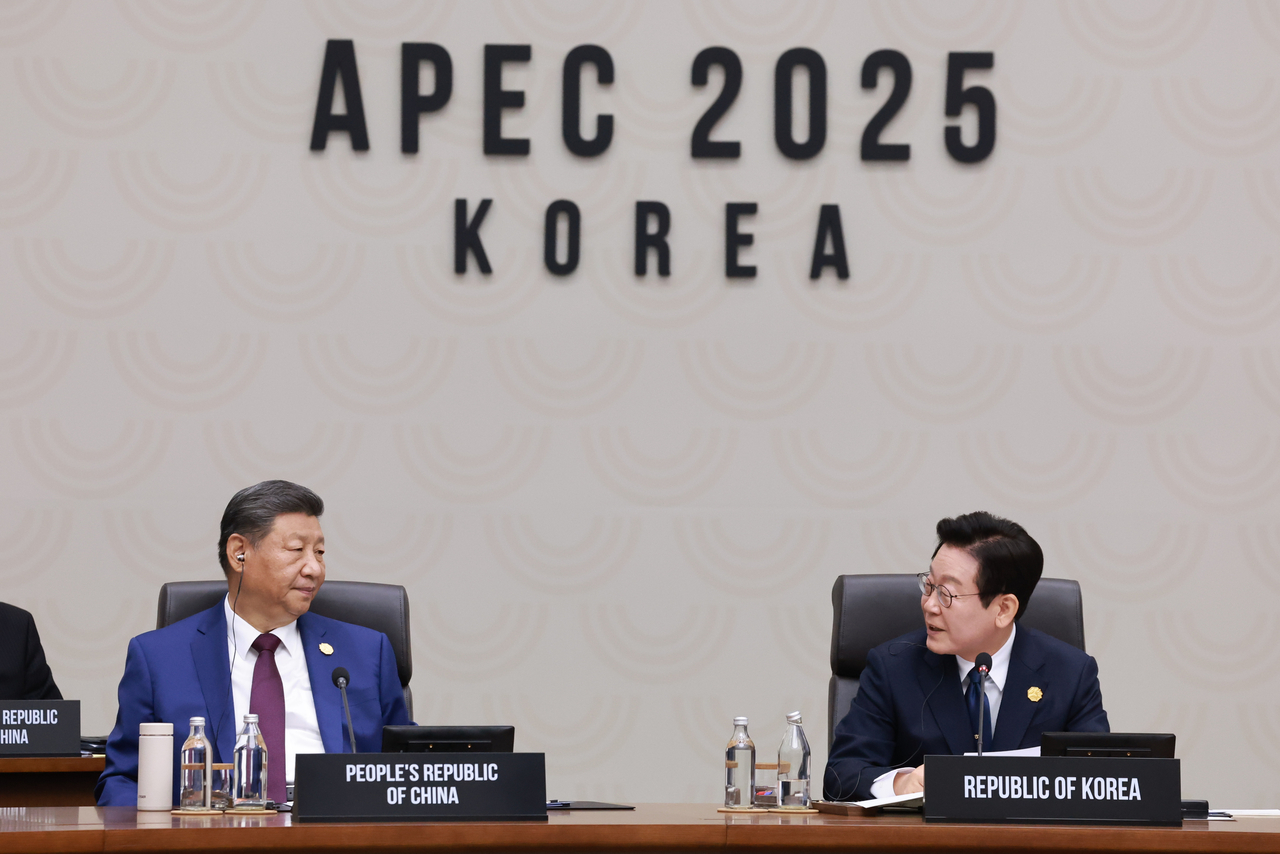
Unlike past declarations that revolved around the liberal economic order — with phrases such as “free and open trade” and “the WTO at its core” anchoring nearly every communique — the 2025 Gyeongju Declaration tempers that language.
The declaration, while emphasizing "robust trade and investment," notably omits the standard phrase, "free, open, fair, non-discriminatory, transparent, inclusive and predictable trade and investment environment." This comprehensive wording had been a consistent feature of APEC leaders’ statements from 2017 to 2024, with the exceptions of 2018 and 2019, when no communiques were issued due to a lack of consensus or the cancellation of the summit itself.
The declaration also omits references to multilateralism and makes no mention of the World Trade Organization. From 2021 to 2024, APEC declarations explicitly supported “the rules-based multilateral trading system, with the WTO at its core.”
Historically, APEC declarations have upheld free trade and voiced strong support for the WTO framework as the anchor of multilateralism. Instead, this year’s document favors language about “resilience,” “benefits for all,” and “navigating the evolving global environment.”
However, noteworthy is that the APEC Joint Ministerial Statement — an outcome of the APEC Ministerial Meeting held on Wednesday and Thursday and complementary in nature to the APEC leaders’ declaration — recognizes the importance of the WTO.
“We recognize the WTO has challenges and needs meaningful, necessary and comprehensive reform to improve all its functions to be more relevant and responsive in light of today’s realities. We welcome efforts to deepen discussions in the WTO on contemporary trade issues,” the AMM statement read.
However, the AMM statement did not include any explicit reference to free and open trade, unlike the joint ministerial statements from 2020 to 2024.
Consensus after hard talks
Still, the presidential office in Seoul emphasized that the Gyeongju Declaration is the outcome of negotiations to produce a "text that both the US and Chna could agree on while overcoming the trend of tense confrontation between the US and China over trade, tariffs and among others."
“The declaration also reaffirms the members’ commitment to multilateral cooperation despite unfavorable negotiation conditions such as global economic uncertainty and challenges to APEC’s core values and principles of free trade and inclusiveness," it added.
The Gyeongju Declaration, for instance, stipulates members’ commitment to “deepening economic cooperation to navigate the evolving global environment.”
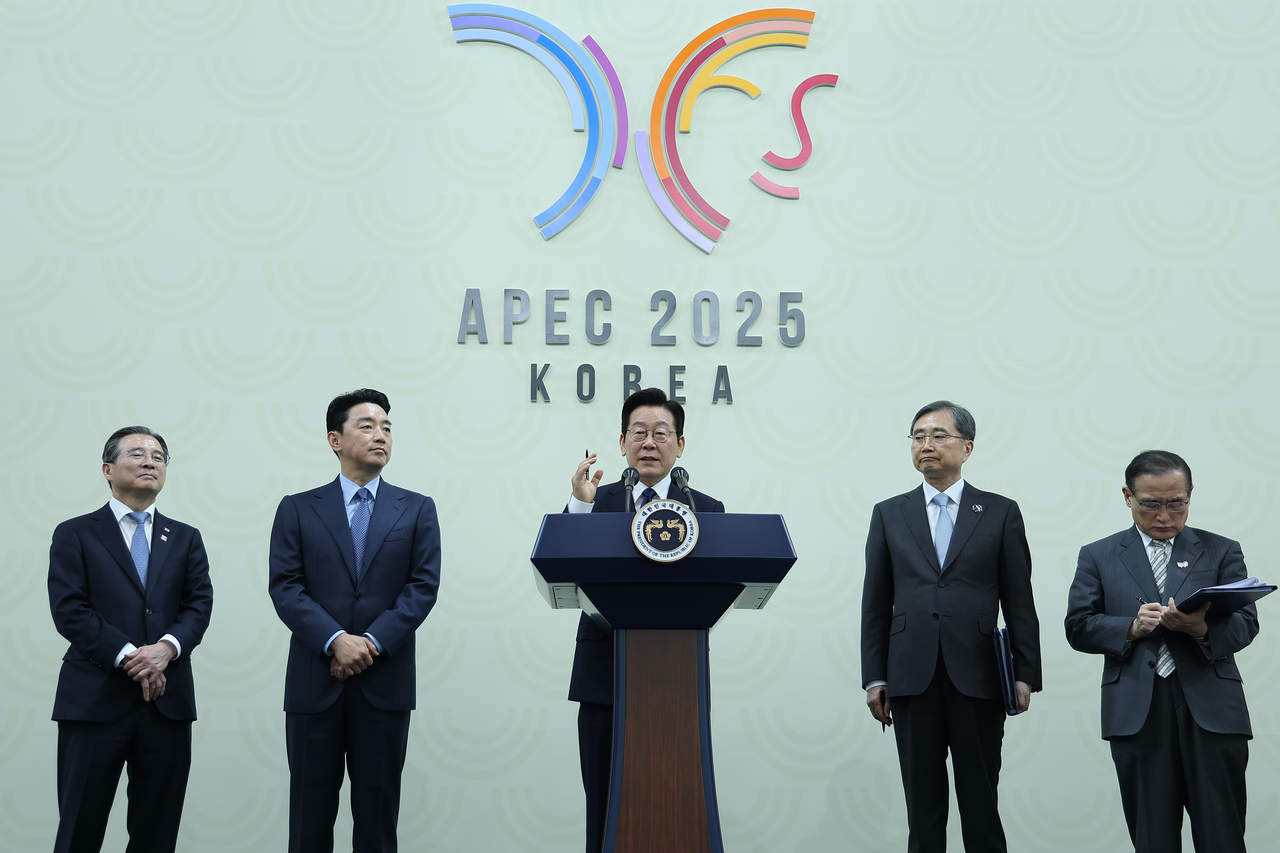
South Korean President Lee Jae Myung admitted differences among 21 members over the draft of the Gyeongju Declaration during a press briefing following the conclusion of the APEC summit when asked about whether there were challenges in adopting the declaration.
“There were some differences over the language, and we made adjustments accordingly. One of the main issues was whether to include a chapter on trade and investment," Lee said. "But we reached an amicable agreement and gathered all opinions.”
The Foreign Ministry in Seoul later that day disclosed that negotiations for the Gyeongju Declaration and the APEC Joint Ministerial Statement, were concluded at 7:30 a.m. on Saturday, after several late-night adjustments.
dagyumji@heraldcorp.com