Poland’s trade with South Korea hit a record $12 billion in 2024, a 7 percent increase from the previous year, according to government data. Despite the growth, Poland continues to face a large trade deficit with Asia’s fourth-largest economy.
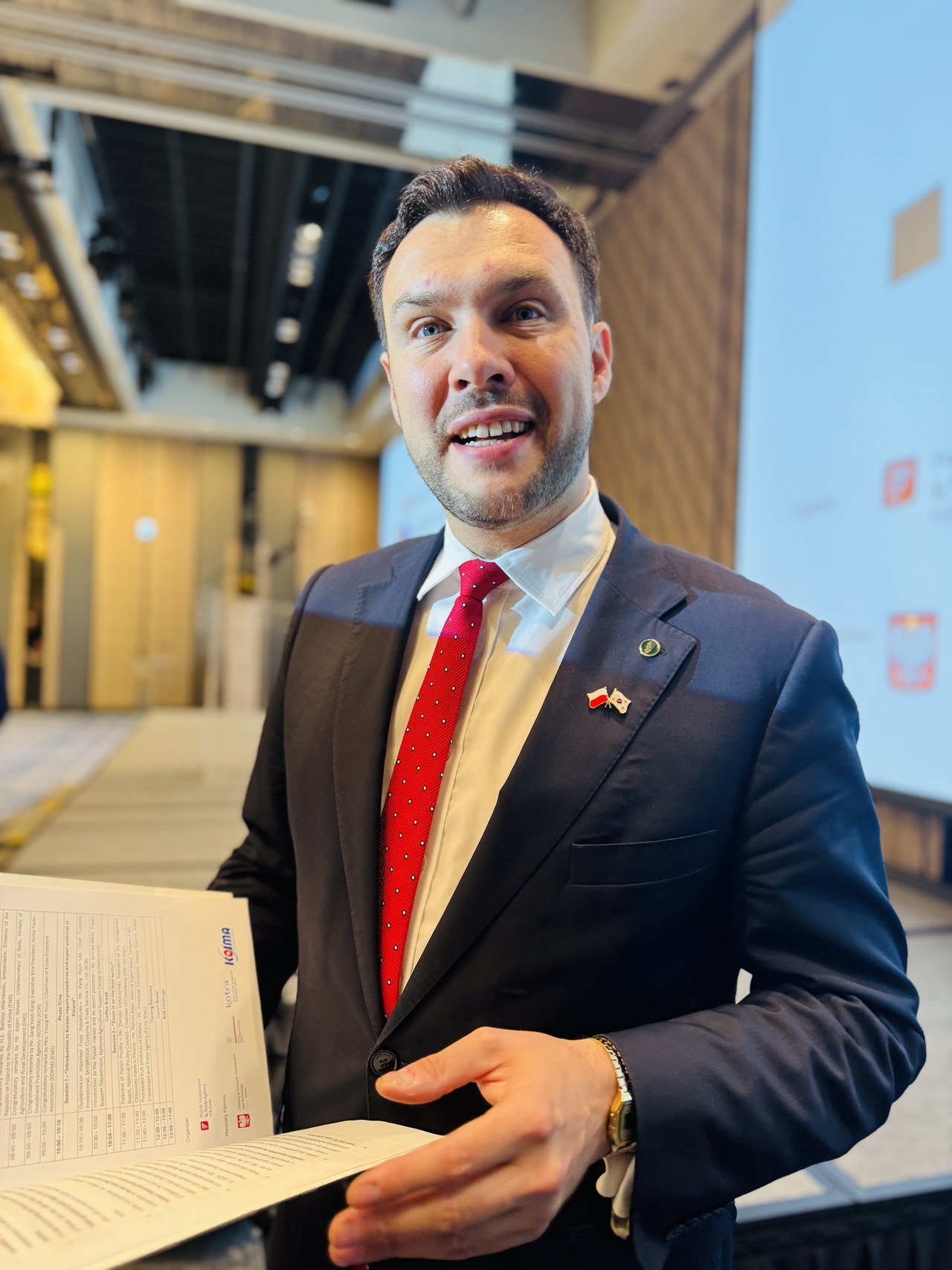
To help narrow that gap, Poland is pushing to open the Korean market to its agricultural products, Poland’s Vice Minister of Agriculture Adam Nowak said during a visit to Seoul.
“Polish agro-products would balance Polish-Korean defense and overall cooperation,” Nowak told The Korea Herald in an interview.
Nowak led a Polish delegation to Seoul to promote beef, meat and other food products and to discuss market access with Korean authorities. The effort aims to diversify bilateral ties that are currently dominated by defense and technology cooperation. Underlining that South Korea is Poland’s largest Asian investor, he suggested balancing defense and technology ties with agricultural trade, stressing that Polish beef, poultry and pork meet top EU standards and could provide Korean consumers safe, high-quality options.
Pointing out that Korea imports most of its beef from Australia and the United States, Nowak argued that Poland is highly competitive in both quality and price.
“That’s why we want access,” he told The Korea Herald.
“Many Korean food importers are already interested in our products. Now is the perfect time for the Korean administration to take the next step and open the market,” Novak said, voicing concern over Korea’s slow administrative process of delaying approval for Polish products.

The vice minister expressed regret that he was unable to meet with the Korean Ministry of Agriculture during his visit.
He also urged greater proactivity from Korean authorities, calling for balanced trade and market access that would give Korean consumers more choices.
Opening the market to Polish dairy, poultry, apples and sweets in Korea poses no risk to Korean producers, according to Nowak .
He further contended that Polish food products would ease inflation and rising food costs in Korea with the same quality as US or Australian goods, but at lower prices and with value.
“I recommend very tasty and safe Polish products for Korean consumers.”
“Opening the Korean market for Polish agricultural products would bring real benefits to both sides — and to Korean consumers most of all.”
sanjaykumar@heraldcorp.com