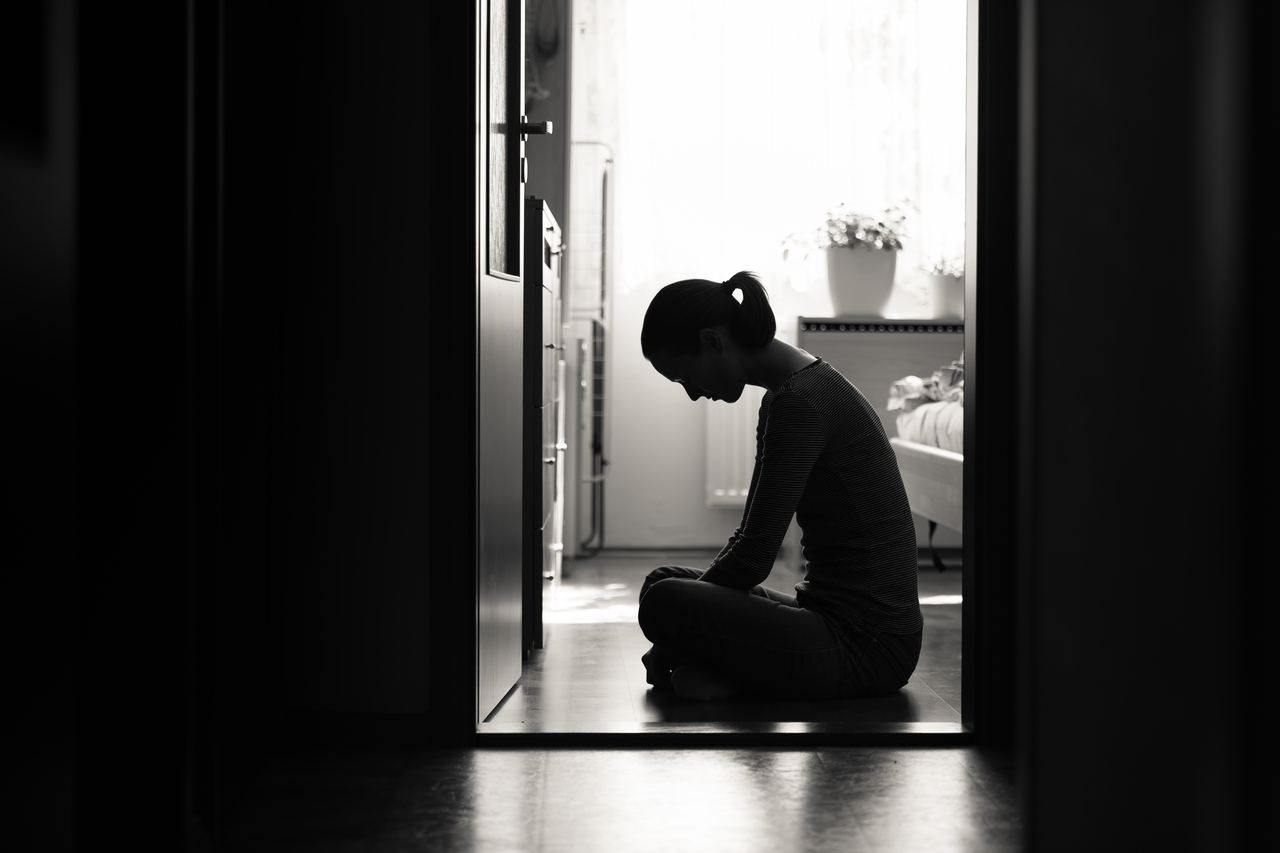
The grim reputation long attached to South Korea, of a “Suicide Republic," has been hard to shake.
And the growing number of lives lost shows the crisis is far from over.
An average of 40.6 people died by suicide every day in South Korea last year. The annual toll reached 14,872 lives, the highest figure in more than a decade.
For 22 consecutive years, the country has recorded the highest suicide rate among members of the Organization for Economic Cooperation and Development, more than twice the OECD average.
The national suicide rate stood at 29.1 per 100,000 people in 2024, compared with the OECD average of 10.8. The figure was also far above that of Lithuania, the second-highest country, at 17.1. Men accounted for more than twice as many deaths as women, with the suicide rate standing at 41.8.
While middle-aged and senior citizens make up the majority of deaths — with those in their 50s alone representing 20 percent — the rise among teenagers and people in their 20s has drawn alarm. The teen suicide rate hit a record 7.9 per 100,000 people last year, while nearly 60,000 people under 30 sought emergency care after suicide attempts in the past five years.
Data obtained by the Health Ministry shows that from January 2020 to June 2025, 58,597 people in their teens and 20s visited emergency rooms after suicide attempts — accounting for 42 percent of all 139,321 such visits across age groups.
By year, the figures have grown significantly: from 9,169 in 2020, to 11,392 in 2021, 11,768 in 2022, 13,285 in 2023, 8,866 in 2024 and 4,117 in the first half of 2025. Those in their 20s ranked highest each year, averaging more than a quarter of all cases, with teenagers consistently the second-most affected group.
Doctors caution that younger people are more likely to make repeated attempts and escalate to more lethal methods over time, which explains why attempts are concentrated in younger age groups while the rate of actual deaths rises with age.
“Many of my students have attempted suicide shortly after speaking with their homeroom teacher,” said a high school teacher in Seoul. “The worry is immense even at the school level.”
Underlying causes include depression, other mental health disorders and strained relationships. A ministry survey of suicide attempt motives at emergency rooms this year found that nearly 40 percent involved mental illness, followed by interpersonal conflict at 16.2 percent. The number of teenagers treated for depression has also surged, nearly doubling from 2020 to 2023.
Economic and social pressures continue to drive up the overall numbers. Officials said those who died by suicide experienced an average of 4.3 overlapping stress factors, including financial distress, job loss, family conflict and chronic illness. Suicide rates rose in line with worsening unemployment or poverty indicators, reflecting how economic downturns ripple into mental health crises.
Another factor is the ease of access to means.
Experts warn that stronger “suicide barriers” and stricter building codes could deter attempts made at tall buildings. Countries such as Singapore and Sweden enforce rigorous regulations on building access and safety devices, measures credited with lowering suicide risks.
The government has pledged to expand its suicide prevention budget by 26 percent next year to 70.8 billion won ($50.4 million), including greater support for post-attempt care at hospitals.
Data shows that follow-up management reduces the risk of death by suicide from 12.5 percent to 4.6 percent. Yet stigma, parental reluctance and gaps in community programs continue to limit the reach of prevention services.
If you’re thinking about self-harm or suicide, contact the Ministry of Health and Welfare’s helpline at 109, available 24 hours a day, 7 days a week. Please request a translator for English-language services.
jychoi@heraldcorp.com