Sungkok Art Museum -- nestled in a tranquil street near Gyeonghuigung, a Joseon-era royal palace in Seoul -- is one of Seoul's oldest private museums.
Established in 1995 by Ssangyong Group in honor of the group's founder, Kim Sung-gon, during Korea’s museum boom of the 1990s, Sungkok Art Museum has supported artists across generations with an emphasis on contemporary art for the past 30 years. The business group was dissolved in the aftermath of the 1997 Asian financial crisis.
The museum, which boasts a small garden with trees that are more than 100 years old, occupies the space where the late Kim’s residence was once located. Prior to Kim's ownership, the space was used to house Japanese officials during Japan's colonial rule over Korea.
To commemorate the museum's 30th anniversary, the exhibition “In Portrait: Sungkok Art Museum 2025” opened Sept. 23, featuring works by 14 artists who have exhibited at the museum or have memories connected to the space.
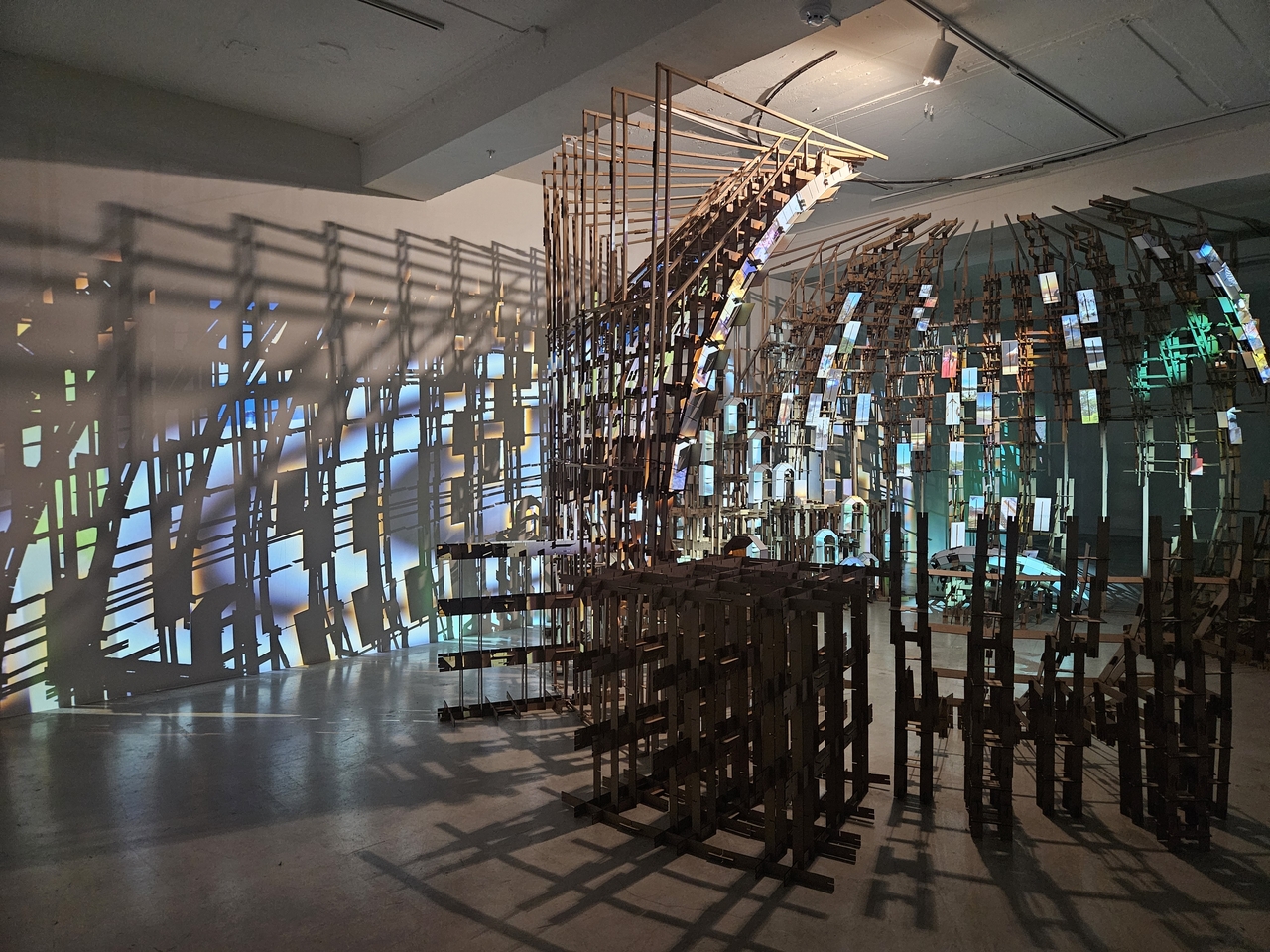
Web artist Song Ye-hwan turned her attention to the museum’s historical and geographical context, specifically with the concept of “baesanimsu,” referring to the traditional notion of the ideal location for a house, built with a mountain in the back and a river in the front.
Combining everyday materials -- such as cardboard, plastic, iron and wood -- with web-based moving images, the installation, titled “Harvesting Feng Shui,” intersects traditional geographical thought with digital experience.
“(The exhibition) is an attempt to recognize the museum’s spatial particularity and explore how art can respond to the ephemeral yet enduring strata of space and time. The participating artists drew inspiration from composite manifestations about the museum,” said Lee Sou-kyoun, deputy director of the museum, in a statement.
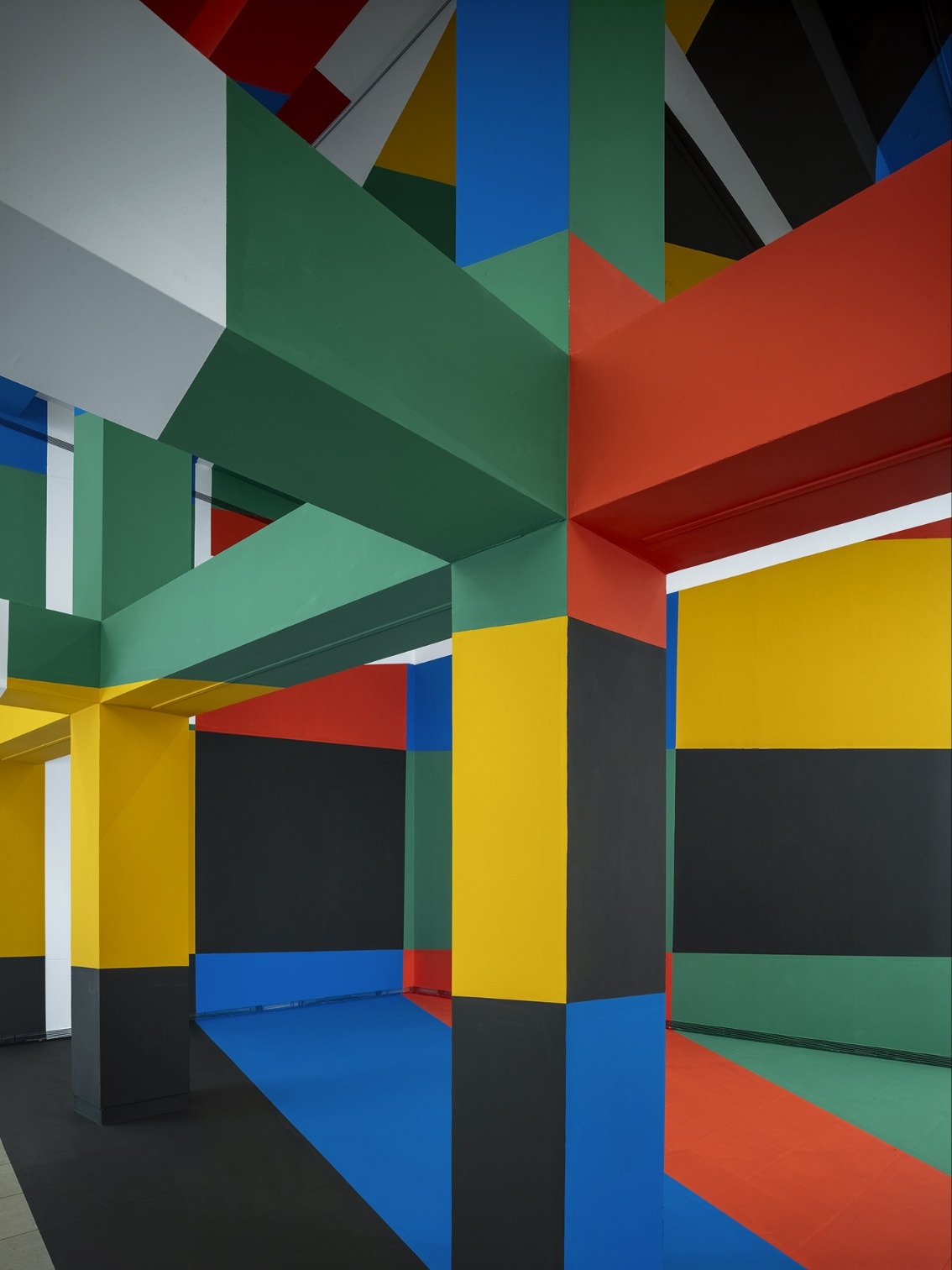
French artist Georges Rousse, renowned for his painterly interventions in abandoned or memory-laden spaces by employing vivid palettes and geometric forms, uses the anamorphosis technique to construct images that become fully legible only from a precise vantage point.
Rousse presents installations such as “Seoul, Sungkok II” over several parts of the museum, visible as complete images only from designated spots. The works serve as an artistic foreword to the museum’s accumulated memories.
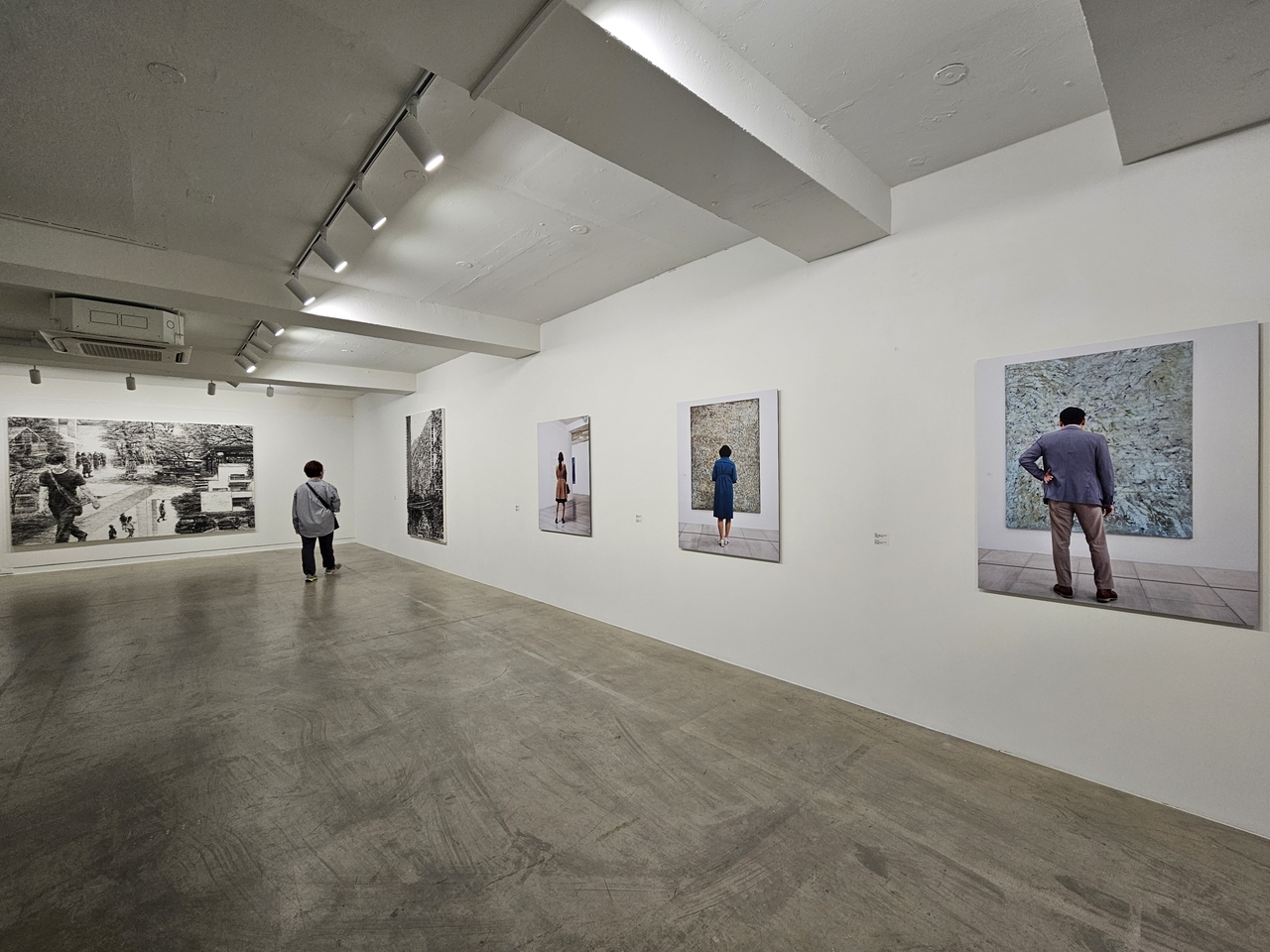
Photographer Sung Ji-yeon pays close attention to the physical gestures and subconscious responses of visitors in public spaces. In the series “Museum Portrait,” she captures postures and behaviors of museumgoers that feel familiar to anyone who has visited a museum. The works reveal how a museum visitor goes from being a subject who enters the space to an object captured within it.
The exhibition runs through Dec. 7.
yunapark@heraldcorp.com