Gugak orchestra festival seeks to strengthen and spread gugak’s repertoire.
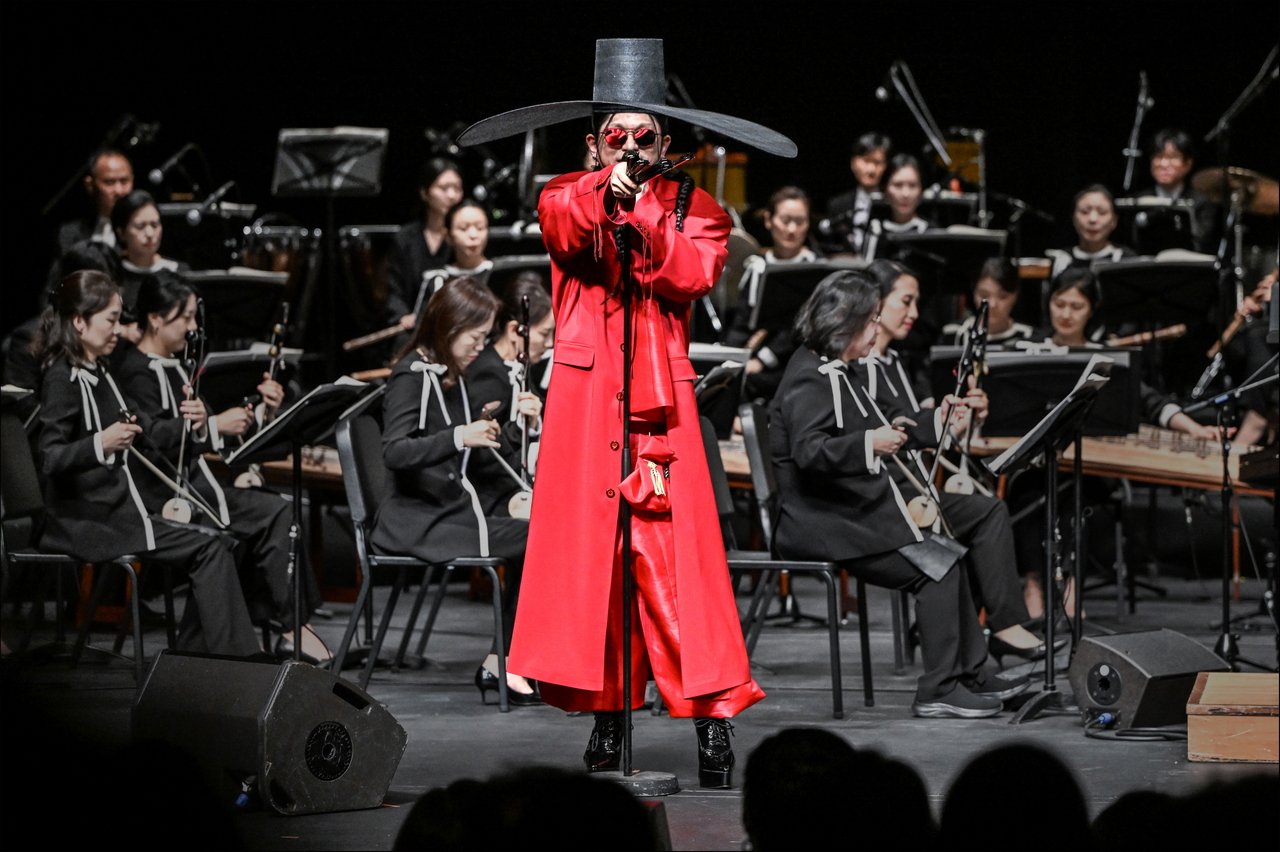
From Oct. 15 to 25, ten gugak orchestras from across the nation will gather to showcase the full spectrum of Korean traditional music, from faithful renditions to bold contemporary reinterpretations.
Marking the 60th anniversary of the country’s first traditional orchestra, which arranges traditional Korean instruments in the style of a Western symphony orchestra, this year’s festival will also spotlight composers as part of its effort to broaden gugak’s canon and its reach.
“Following the global success of ‘KPop Demon Hunters,’ gugak in both original form and contemporary reinterpretation has become ‘hot,’" Ahn Ho-sang, CEO of the Sejong Center for the Performing Arts, told reporters during a press conference on Thursday.
The Sejong Center launched the festival three years ago to address the challenge of bringing this tradition to broader audiences.
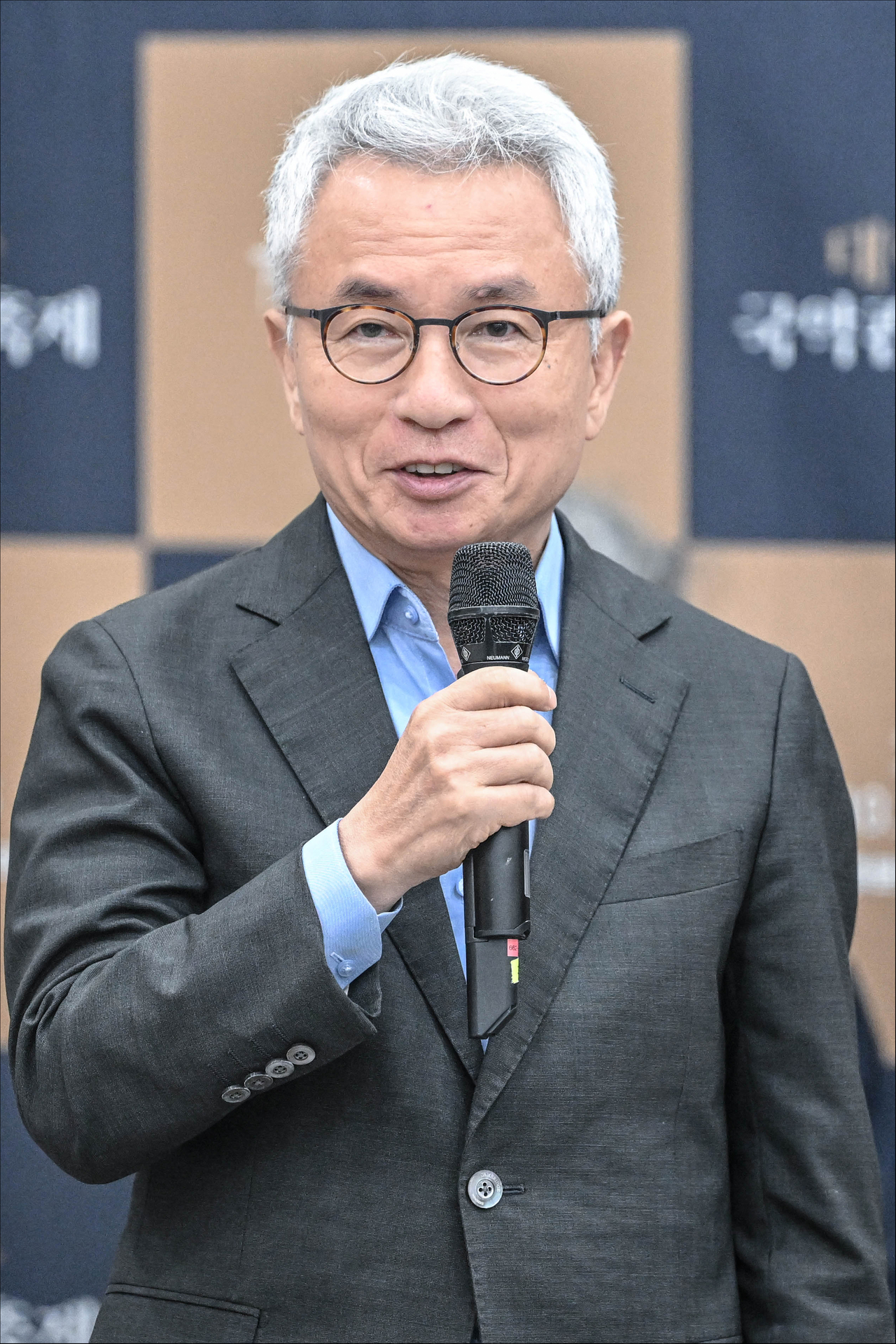
“With Western classical music, we know that audiences can be moved by faithful performances of original works, finding them relevant and new in every age. I have come to feel that we, perhaps, have been too stingy in granting our own tradition that same generosity," Ahn added.
"KPop Demon Hunters," a hugely popular Netflix animated film made by Sony, spotlighted Korea’s cultural heritage by weaving in traditional elements such as gugak.
Lee So-young, a gugak critic and member of the festival’s committee, stressed the importance of gugak composers.
“For K-culture to continue growing, what we need most is the steady cultivation of composers, as they provide the solid foundation for gugak orchestral music,” Lee said, adding that this year’s festival features over "40 composers, including a strong representation of young composers in their 20s and 30s.”
Opening the festival on Oct. 15 is Gyeonggi Sinawi Orchestra, which will highlight the works of the late Hwang Byung-ki, the foremost player of the gayageum, a 12-string zither with silk strings.
Several ensembles will be participating in special collaborations.
The KBS Traditional Orchestra will perform Kang Sang-gu's violin concerto "Blue Moon" with Japanese-German violinist Takashi Lorenz Waschkau, whose cross-cultural background, conductor Park Sang-hu noted, reflects the festival’s spirit of blending traditions.
Established last year, the Pyongtaek Korea Music Orchestra will present a collaboration with Asian musicians under the theme, "Sounds of Asia," featuring collaborations with traditional instruments from across the region including China, Mongolia, Uzbekistan and Singapore.
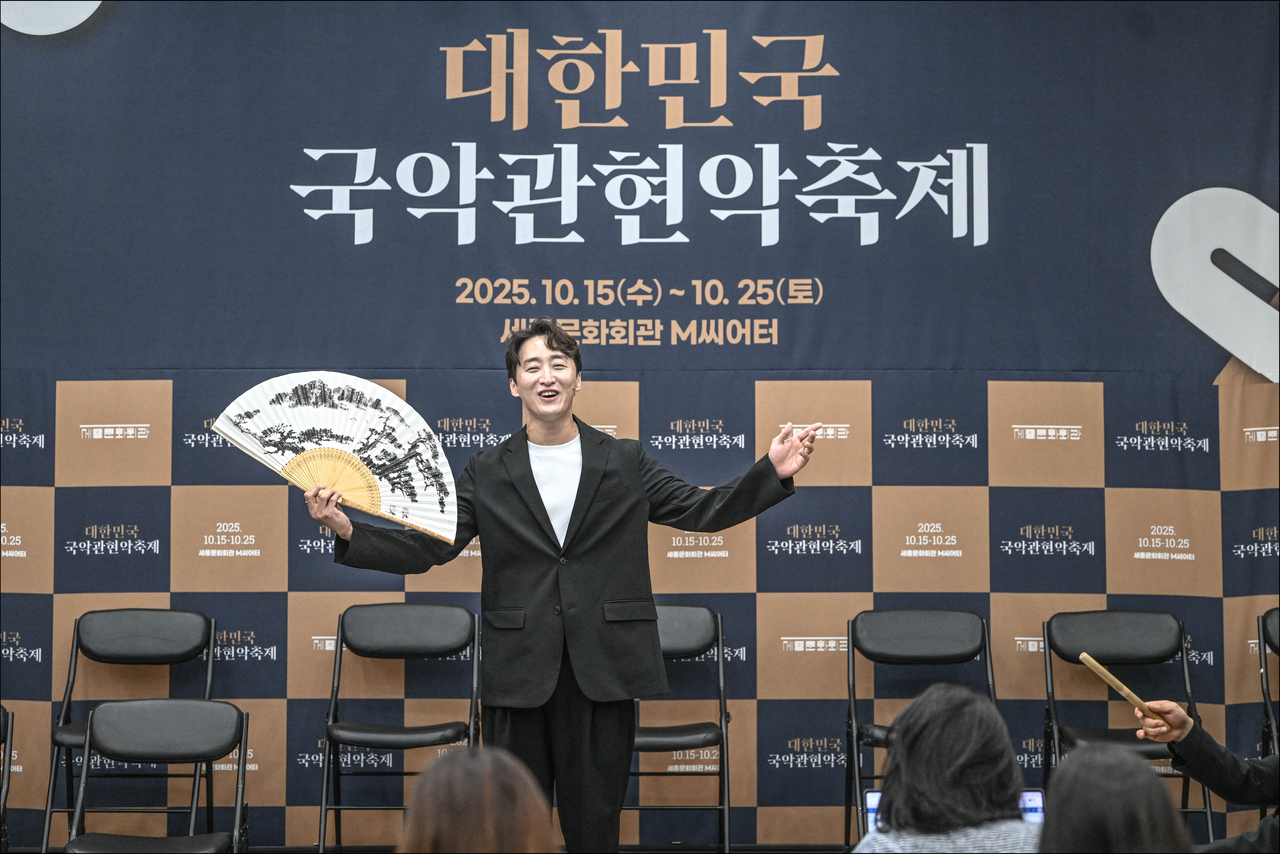
While the Contemporary Gugak Orchestra of the National Gugak Center will focus on works rooted in tradition, gugak ensembles from Jeonju in North Jeolla Province, Gangwon Province, and Cheongju in North Chungcheong Province have each prepared programs that highlight the unique characteristics of their regions.
The closing concert on Oct. 25 will be given by the Seoul Metropolitan Traditional Orchestra, which celebrates its 60th anniversary this year. Its program includes "Heureusha," a gugak orchestral work inspired by the Han River, alongside collaborations with Seodo, vocalist of Seodo Band, and geomungo player Park Da-wool.
The festival will take place at M Theater at the Sejong Center, with tickets set at 10,000 won for all performances and all seats.
gypark@heraldcorp.com