Country's Art and Culture Development Foundation launches Bukhara Biennial, Center for Contemporary Arts

BUKHARA, Uzbekistan — The first week of September was marked by two major events in Uzbekistan’s nascent contemporary art scene, revealing the Central Asian country’s ambition to foster a new economy centered on arts and culture.
On Sept. 5, the inaugural Bukhara Biennial commenced its 10-week journey under the theme “Recipe for Broken Hearts” in the historic city of Bukhara, once a thriving center of exchange, scholarship and pilgrimage along the Silk Road.
“The Bukhara Biennial is a significant legacy-building milestone for the city of Bukhara and Uzbekistan more widely, with the city’s first placement on the global contemporary cultural map and a moment to reconnect with the rest of the world," said Gayane Umerova, commissioner of the Bukhara Biennial and chairperson of the Uzbekistan Art and Culture Development Foundation.
The biennial, guided by Diana Campbell’s artistic vision, introduced a new platform that weaves together many elements. It brings together artists from around the world and at home, with each work emerging from their collaboration. Over 70 works born of these collaborations, involving more than 200 participants from 39 countries, are on view.
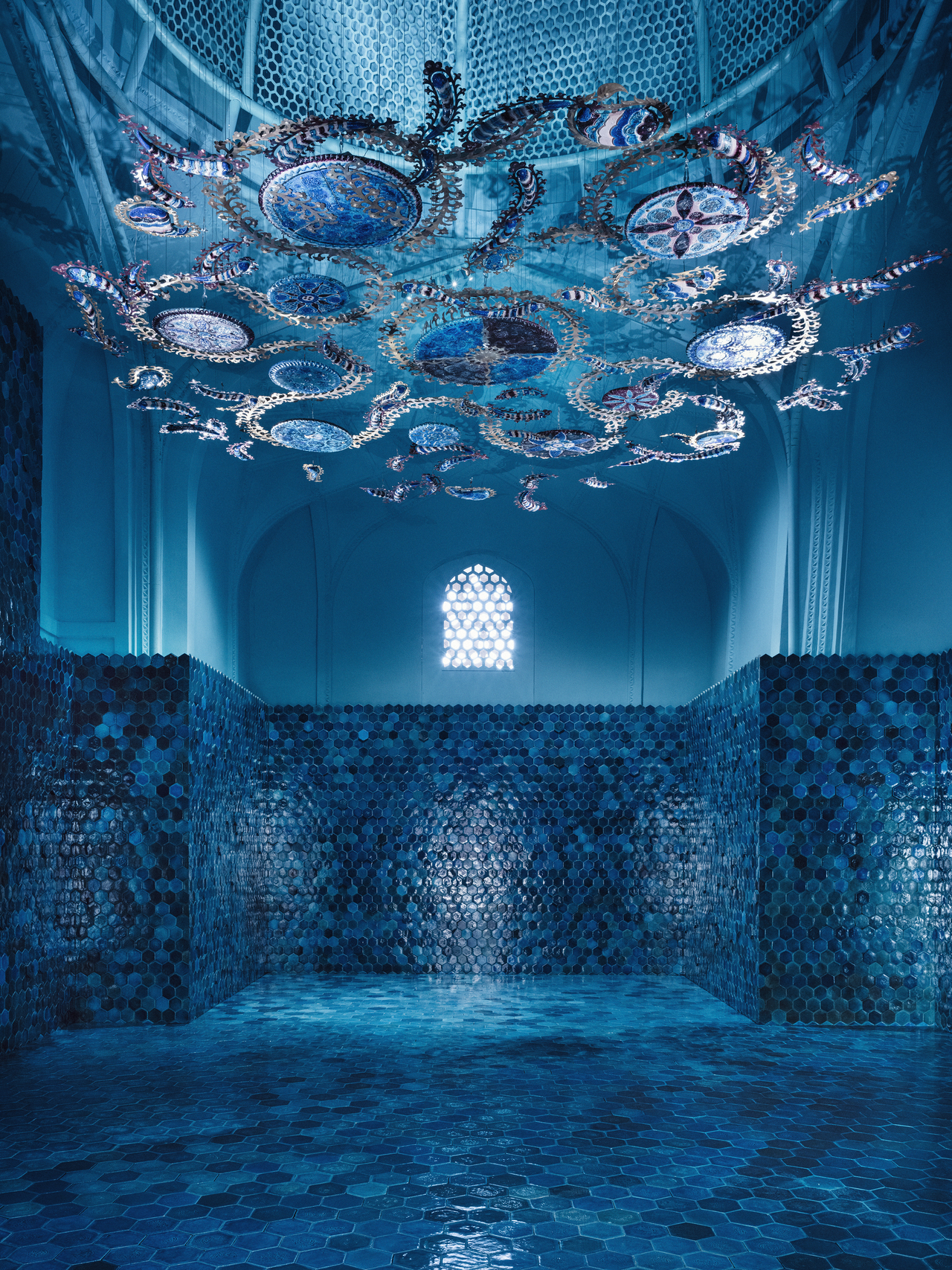
Instead of simple juxtaposition, the biennial intertwines centuries-old architecture, which was inscribed as a UNESCO World Heritage Site in 1993, with contemporary art. These works are not merely displayed there; they are installed within Bukhara’s historic landmarks covering a 500-meter area, newly restored by architect Wael Al Awar.
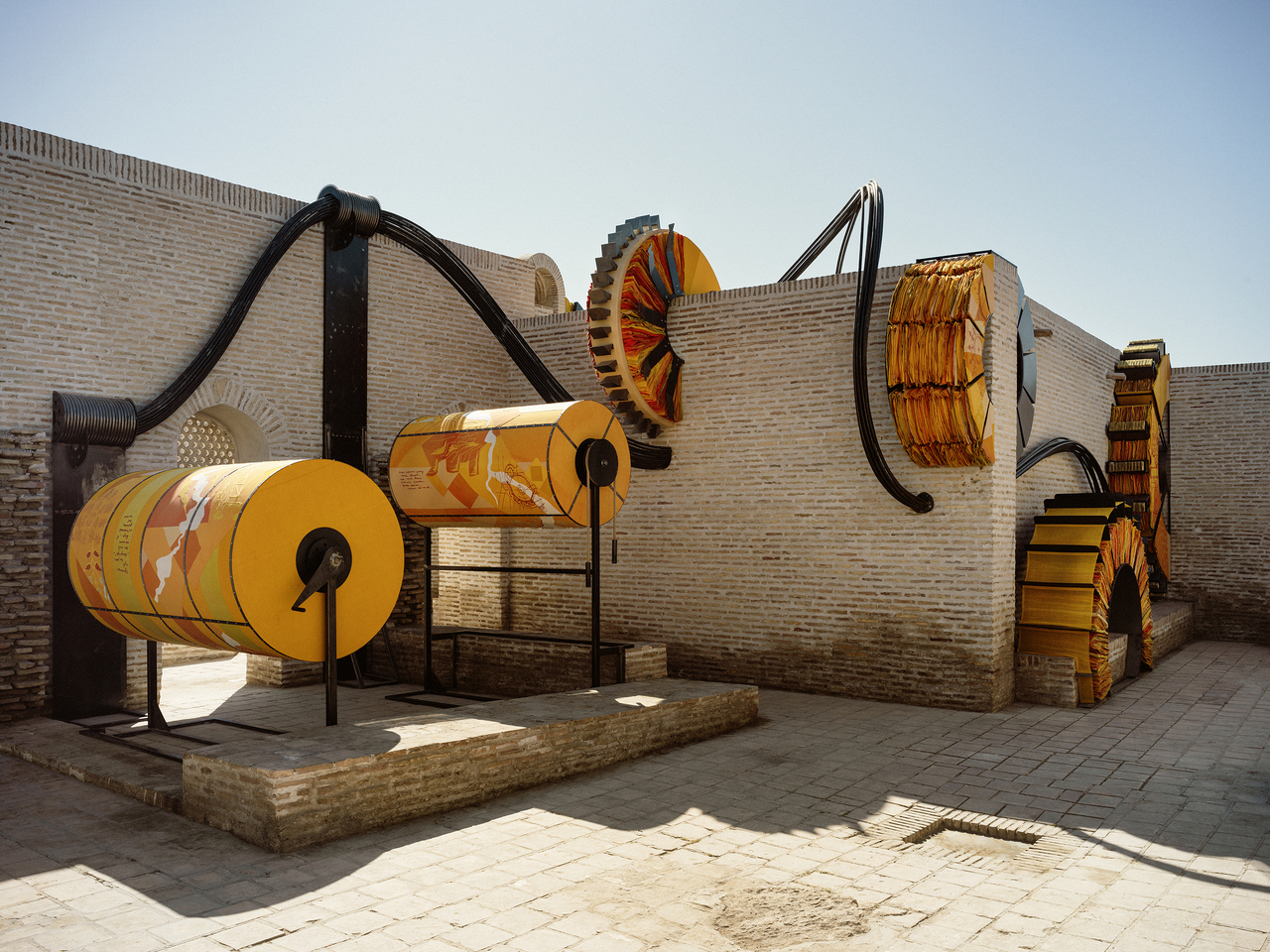
The biennial, which runs until Nov. 20, also embraces a sense of boundlessness, where even food becomes an integral part of the artistic experience.
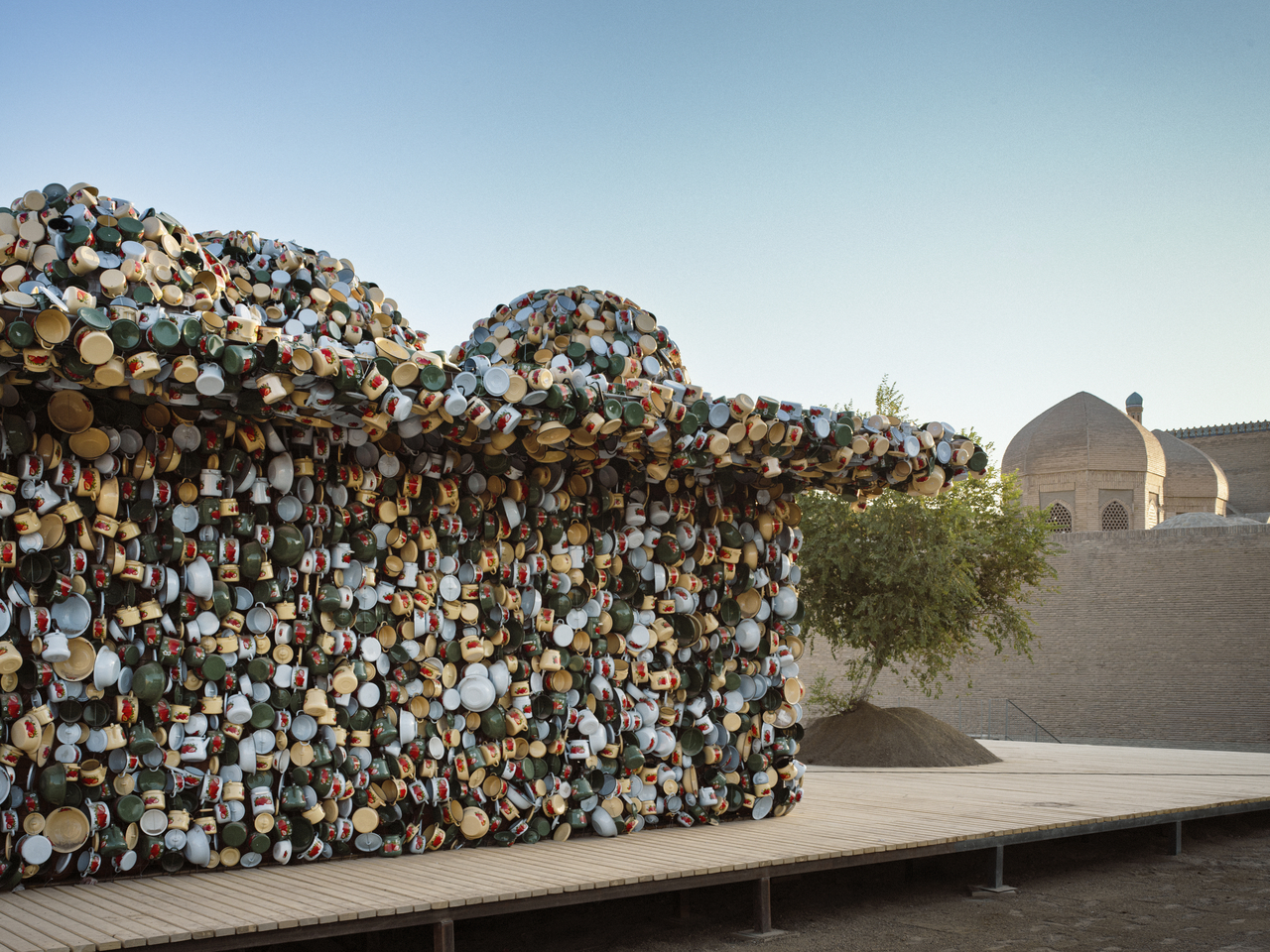
"Salt Carried by the Wind" (2024–2025), by Indian artist Subodh Gupta with tableware by Baxtiyor Nazirov from Uzbekistan, was built with mass-produced enamelware commonly found in Uzbek homes.
The installation responds to the architecture of Magoki Attori, the oldest standing mosque in Central Asia, sitting next to it. In the pavilion, Gupta cooks and serves food, transforming the act of cooking into a performative ritual.
“We already have too many galleries and white cubes in the world,” Campbell told reporters as she showed the site and artwork. Campbell is best known as the founding artistic director of the Dhaka Art Summit in Bangladesh from 2013 to 2023, and she has also served as artistic director of the Samdani Art Foundation.
"'Recipes for Broken Hearts' has been about so much more than making artworks or making an exhibition; it is an attempt to heal from preconditioned, painful and often outdated ways that we were told to think about art in hierarchical terms. We turned to collaboration as a tool to work together to dismantle these outdated frameworks and build new ones through our contributions to the inaugural Bukhara Biennial," she said.
Ambition of Tashkent
While Bukhara positions itself as a biennial city, Tashkent is working to build a lasting infrastructure for contemporary art.
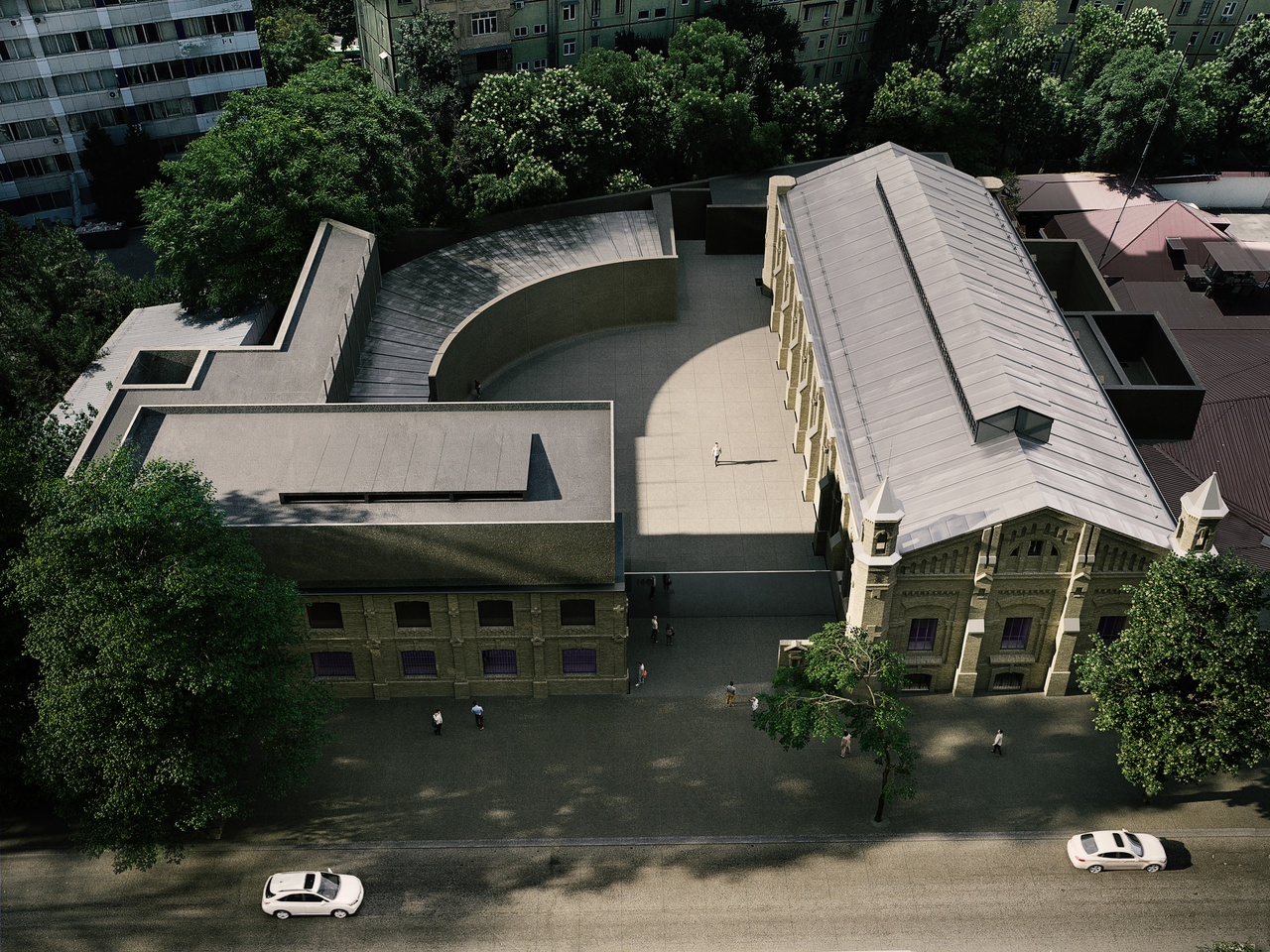
Last year, the Center for Contemporary Arts — the first permanent center for contemporary art in Central Asia — launched its artist residency program for Uzbek and international artists, designers and researchers. The five-person 2025 cohort has begun their residencies this month.
The center, helmed by artistic director and chief curator Sara Raza, will fully open its doors to the public in March 2026, with its inaugural exhibition “Hikmah,” meaning "wisdom" in Uzbek.
The show will bring together international artists including Korea's Kimsooja, Ali Cherri, Nadia Kaabi-linke, Nari Ward, Muhannad Shono and Tarik Kiswanson, alongside Uzbek and Karakalpak artists Shokhrukh Rakhimov, Vladimir Pan, Daribay Saipov and Bakhtiyar Saipov, the center announced on Sept. 3.
Even though efforts to foster a contemporary art scene on the global stage seem relatively new, Uzbekistan has a full, rich cultural legacy — from film and architecture to craft traditions — Raza told The Korea Herald on Sept. 4 at the Namuna and Khast Imom artist residencies.
“Architecture and culture are so synonymous with Uzbekistan. Uzbek artists have been practicing in their homes and private studios for a long time, and this creates a more centralized support system for networking and imagination — it really supports that,” she said.
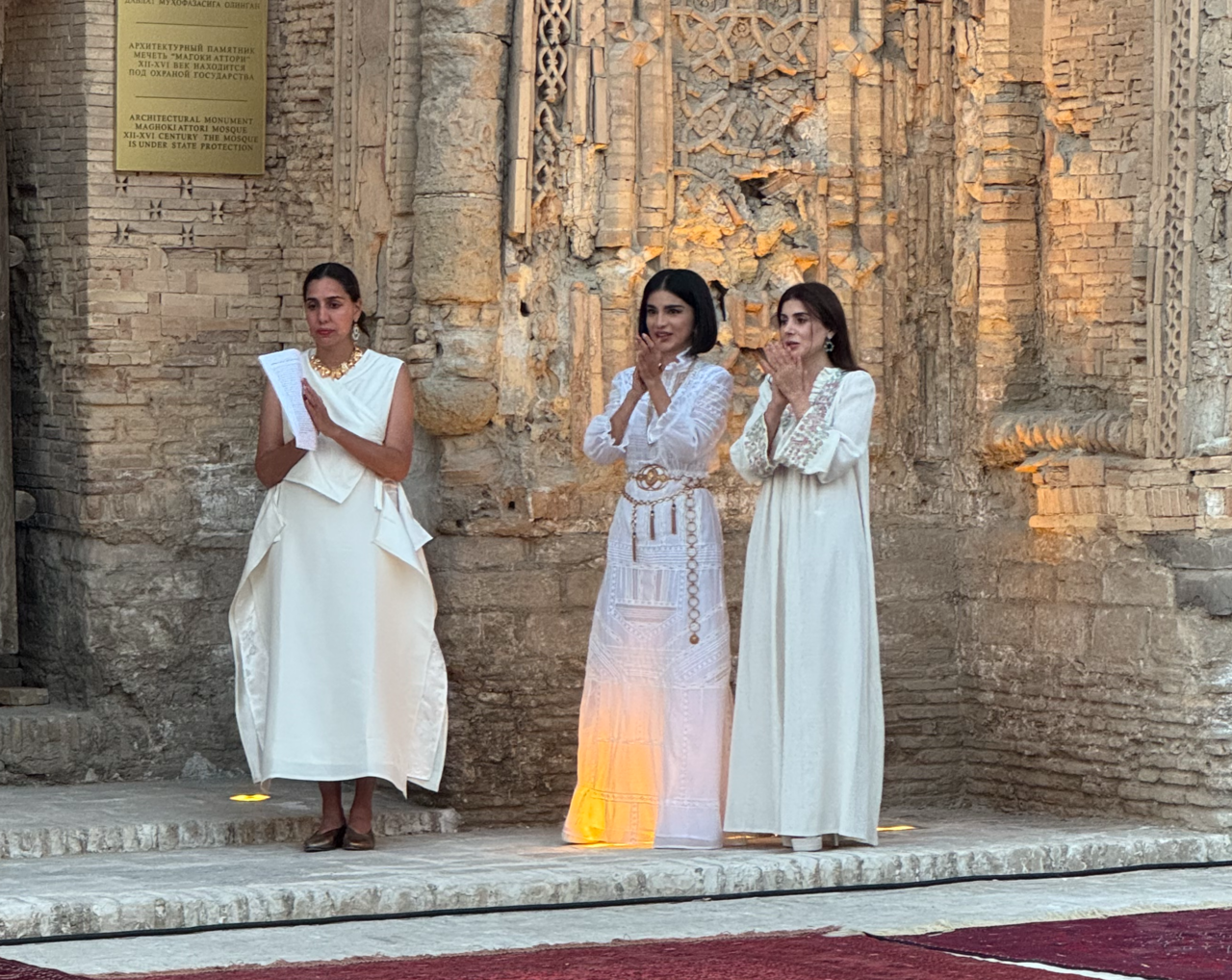
Behind all this is the Uzbekistan Art and Culture Development Foundation, which facilitates international collaborations, restorations and cultural programming to strengthen the country's cultural ecosystem and drive its creative economy.
Umerova, its chairperson, is a central figure in shaping Uzbekistan’s cultural landscape along with Saida Mirziyoyeva, head of the presidential administration and the eldest daughter of Uzbekistan's President Shavkat Mirziyoyev.
"Uzbekistan is a young nation with more than half of its people under 30. For us, it is essential to nurture the interests of our youth in art and culture. Their energy, their ideas and their creativity will shape the country we hand to the future," Mirziyoyeva said during a speech at the opening ceremony at the Bukhara Biennial on Sept. 5.
gypark@heraldcorp.com