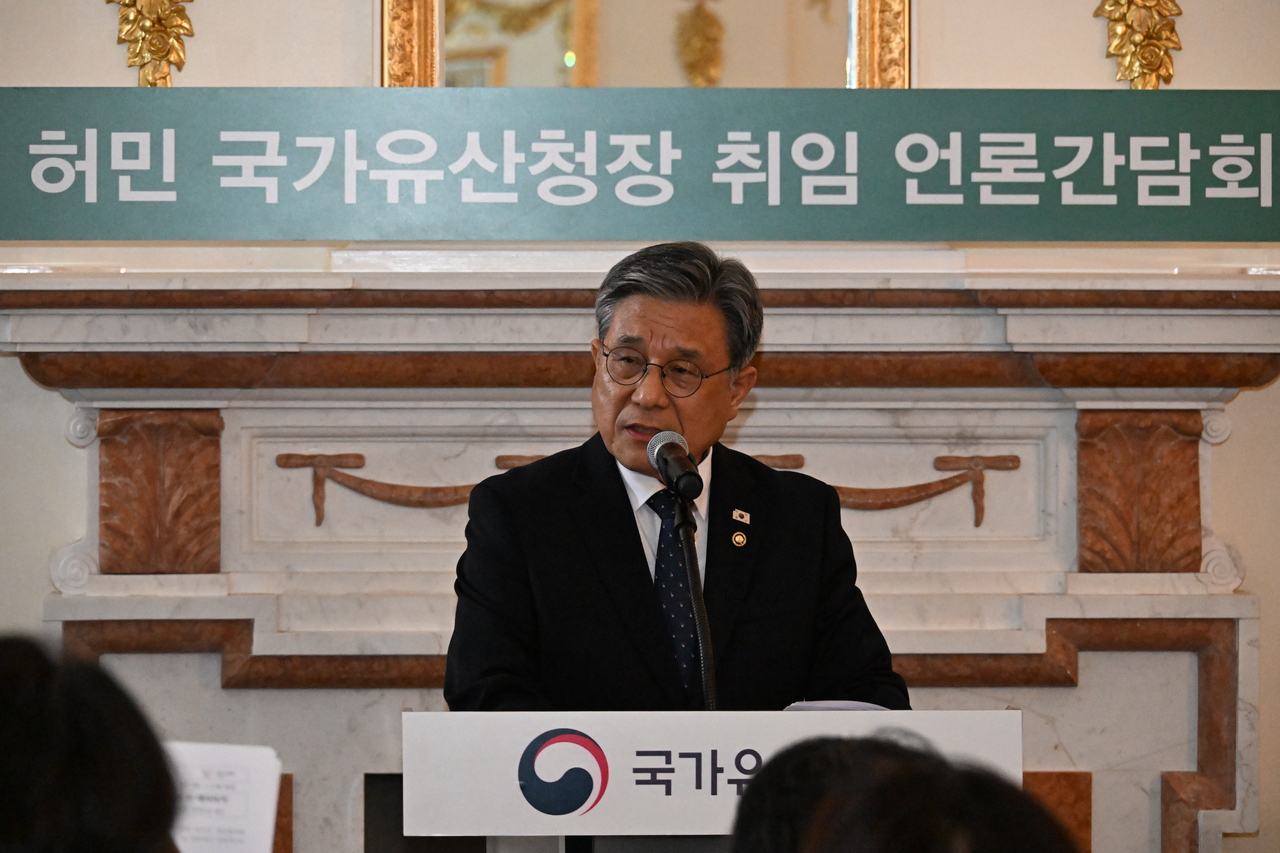
The Korea Heritage Service aims to have North Korea attend the 48th session of the UNESCO World Heritage Committee to be held in Busan in July next year.
"We are planning to invite North Korea. However, rather than carrying this out solely on our own, I have sent a letter to UNESCO Director-General Audrey Azoulay," said Huh Min, administrator of the Korea Heritage Service, during a press briefing in Seoul on Monday. Huh said he asked Azoulay to mediate so that the two Koreas can participate together in next year's World Heritage Committee meeting in Busan and do something jointly, he explained.
He also stated that he had conveyed this position to the heads of key advisory bodies of UNESCO, including Teresa Patricio, president of the International Council on Monuments and Sites (ICOMOS), and Aruna Francesca Maria Gujral, director-general of the International Centre for the Study of the Preservation and Restoration of Cultural Property (ICCROM), who recently visited Korea.
"The Demilitarized Zone is the only place left in the world that remains a divided zone between two countries, and it is the most ecologically well-preserved area in the world. It contains both historical and cultural heritage. Therefore, I suggested that through the DMZ, we could deliver a message of peace to the world and, if possible, jointly list it as a World Heritage site of both South and North Korea. While the committee meeting itself will be held in Busan, I proposed that we consider the possibility of making a 'peace declaration' at the DMZ."
Seeking a thaw with North Korea is part of the Korea Heritage Service’s new vision of leveraging Korean heritage as a resource as it seeks to become a cultural powerhouse.
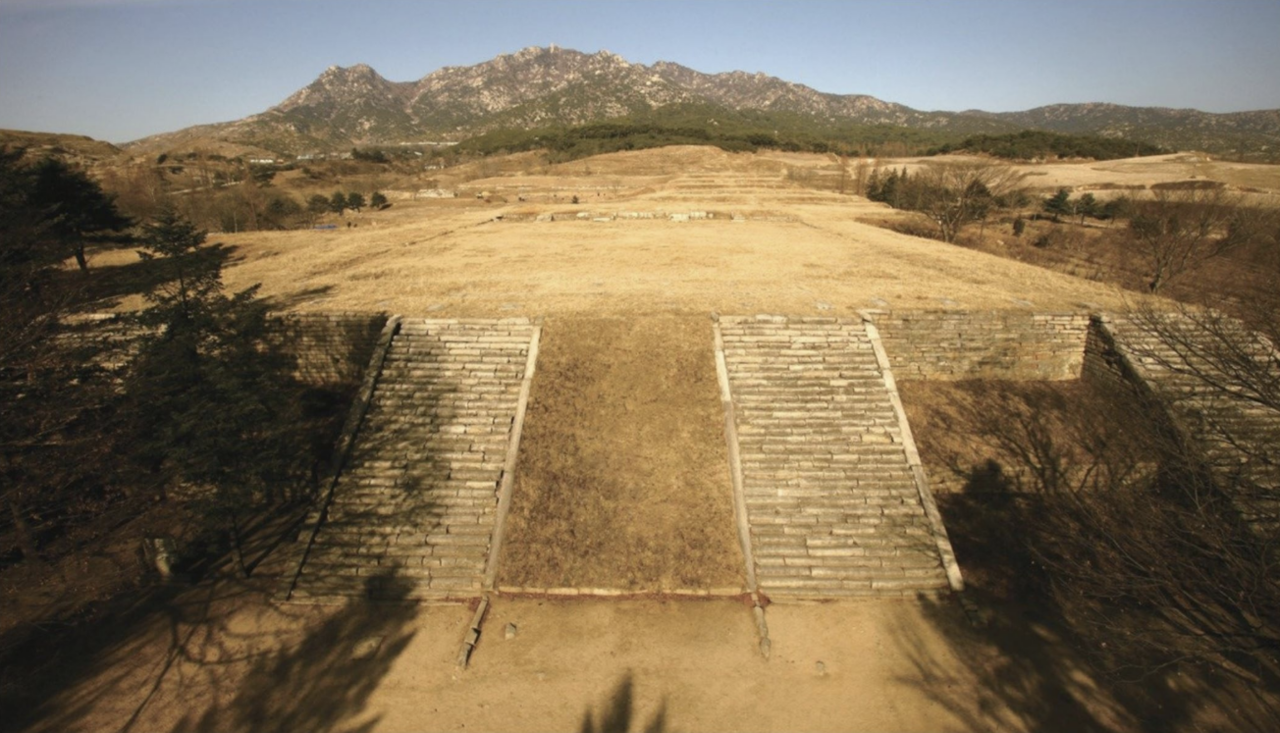
The first step will be a resumption of the joint excavation of Manwoldae, a royal palace of the Goryeo kingdom, which has been suspended since 2018. Additionally, a collaborative framework with civil society organizations will be established to support the restoration of Yujeomsa, a temple in the recently UNESCO-listed Mount Kumkang in North Korea.
Another key task for the state agency is to expand the value of national heritage by actively discovering underrepresented heritage, enhancing accessibility for the public and bolstering the safety and preservation of cultural properties, particularly in response to climate change.
The agency also aims to employ AI and digital technologies for global expansion as well as improve the efficiency of its administration through organizational, personnel and budget reforms.
yoohong@heraldcorp.com