In art world where traditional systems are 'outdated,’ Pace Gallery turns toward art as experiential encounter
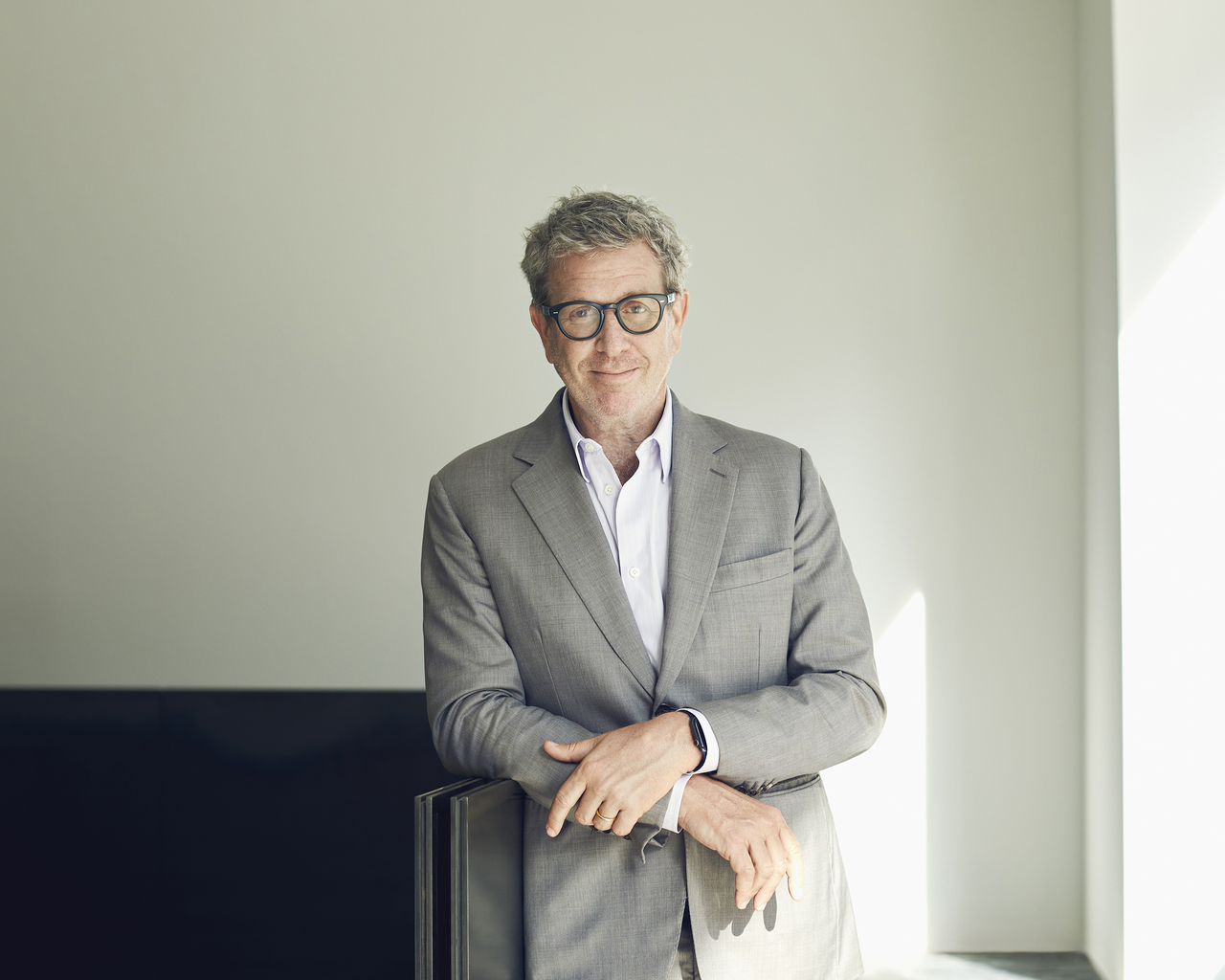
In the eyes of Pace Gallery CEO Marc Glimcher, the global art world moves in 30-year cycles — and the current one is nearing its end, making way for the next.
Over the past three decades, the art world has expanded at a frenetic pace, with galleries, fairs and auction houses growing even faster than the artists themselves.
“In the past 30 years, the art world has undergone a period of super, hyper expansion. The commercial aspect got overemphasized in those years,” Glimcher told The Korea Herald on Sept. 1 at Pace Gallery in Seoul.
“It is very natural for a snake to eat its tail for a little while, then eventually it realizes what it’s doing and stops. This is a very natural cycle — it trips over and then it gets to start again,” he said.
With more people captivated by art, that fascination soon bled into buying and caused people to think only about the commercial aspects, the gallerist said. Moving to the next cycle, enthusiasts and professionals alike will naturally move away from the commercial purpose and lean toward meaning, emphasizing history to try to reach back, before asking themselves, "What was it all about?"
“What is interesting about art is not money, but that is why money got involved — because it was so interesting,” Glimcher said.
In the late 1990s, when the internet was viewed with optimistic fascination, the dot-com bubble formed and billions of dollars flowed into startups chasing rapid growth. To Glimcher, the current art scene is much the same.
“The internet bubble seemed to die, but it became the basis of everything we do today. That’s what’s happening in art right now — what may appear as a bubble is actually creating fertile ground for the future,” he said.
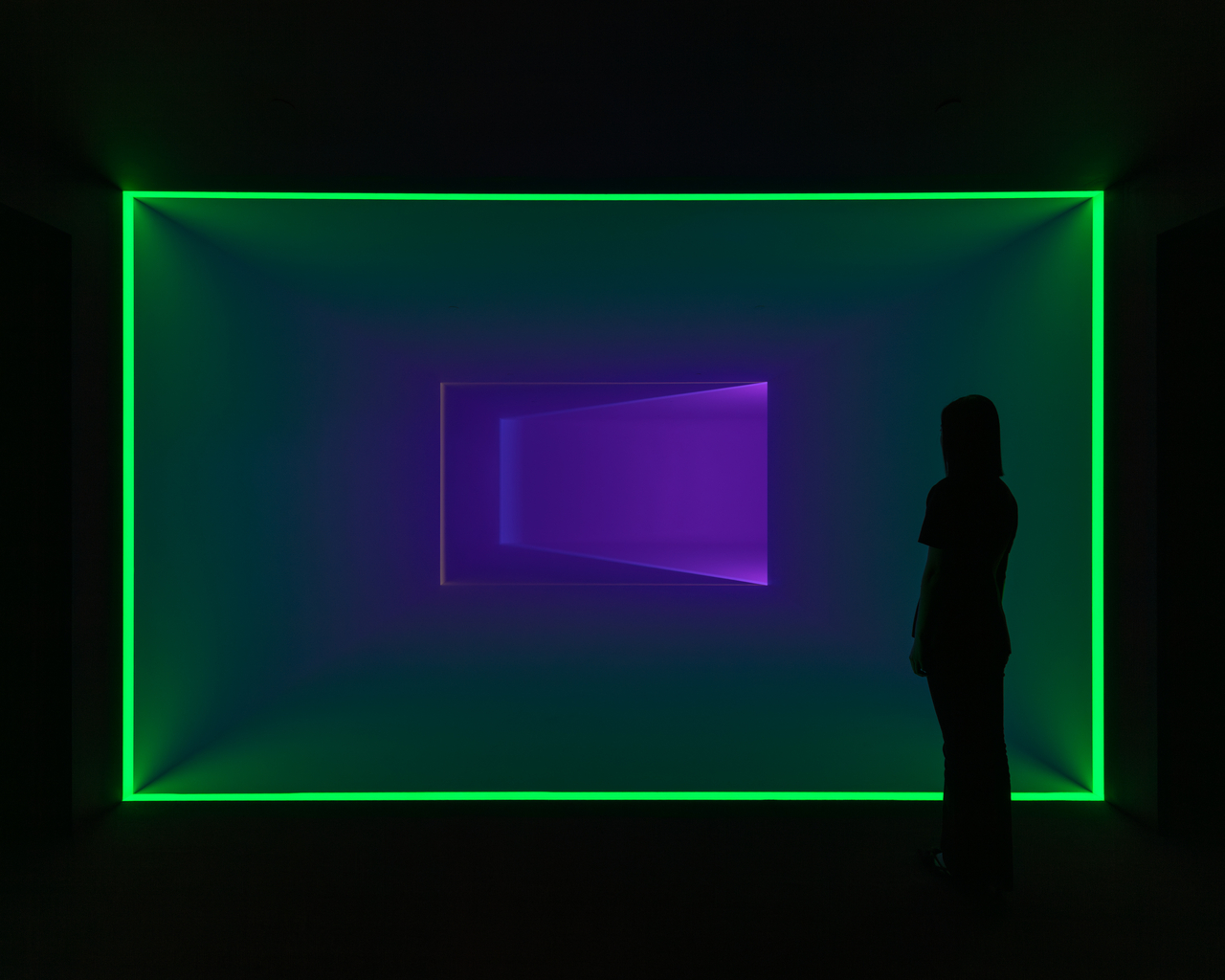
Asked what would be next for the gallery, Glimcher turned his head to the solo exhibition currently at the gallery, “James Turrell: The Return,” showing five new installations by the American master of light. The exhibition includes a site-specific installation in his "Wedgework" series that turns light into an illusion of walls and boundaries.
“One thing that is next is James Turrell. He is the father of something that is coming,” he said. “The importance of art as an experience and a place — rather than as an object — will become central over the next 30 years. It won't be the only important thing, but it's one.”
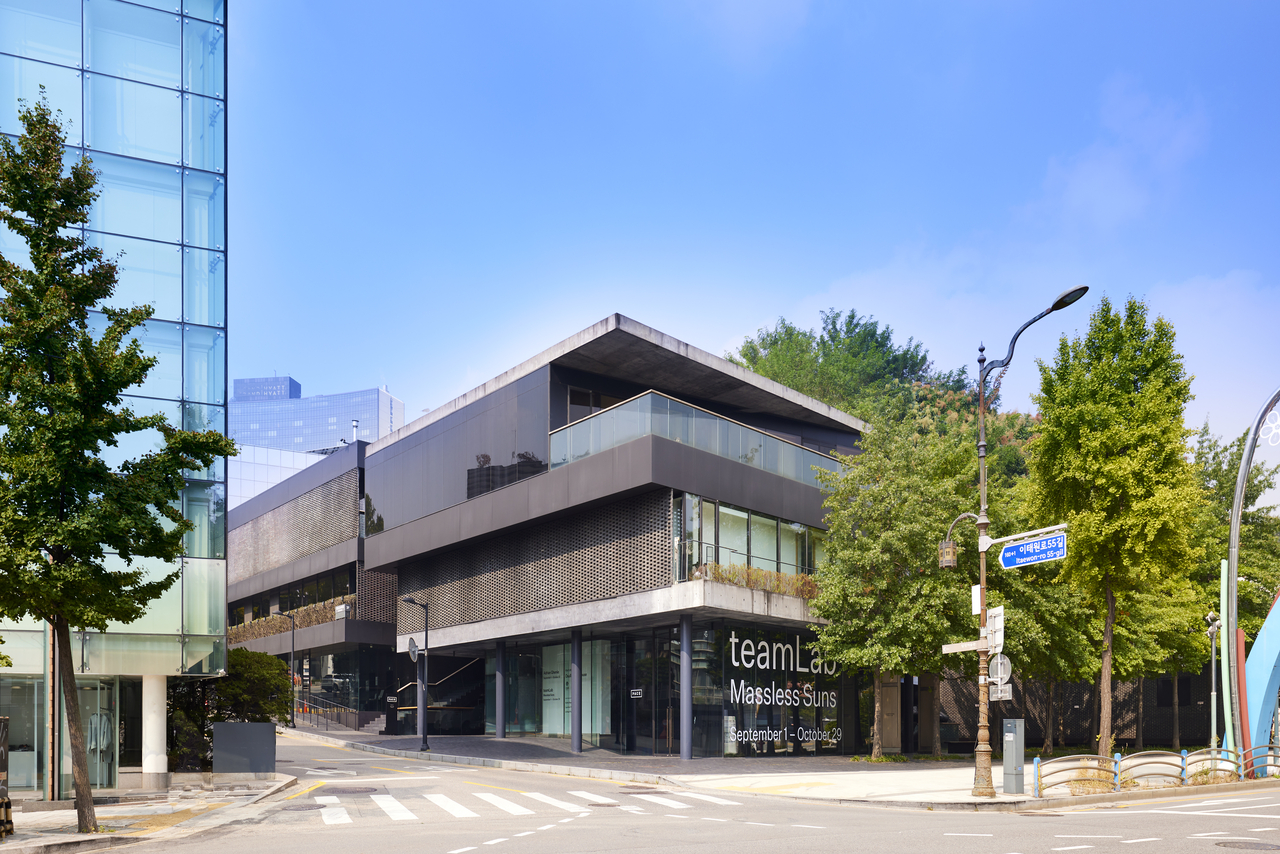
Pace Gallery has been experimenting with new directions, representing experiential artists such as teamLab, an international art collective that started in Japan and blends art and technology to create immersive experiences.
In April, teamLab Phenomena Abu Dhabi, the world’s largest digital art museum dedicated to teamLab’s evolving practice, spanning 17,000 square meters, opened in the Saadiyat Cultural District of Abu Dhabi in the United Arab Emirates.
The experiential artists trace their origins back to the phenomenological artists from the 1960s in California, whom the elder Glimcher was the first to represent, including Turrell and Robert Irwin.
"As the cycle renews, the art world will lose a bunch of people, and gain a bunch of others. That happens every 30 years," he said.
Art fairs have to evolve to become more than a marketplace, Glimcher noted, likening it to the music industry, which he said is ahead of the art industry.
“People want it to be like a festival. Now we have music festivals all over the world,” he said. “There are hints of what the art fairs might become — a festival. What is going to happen at Art Basel Qatar is going to be very different. It is like a combination of Art Basel Limited and a forum that will bring everybody together.”
Art Basel Qatar, which he expects to see open with a new format, will be launched in February 2026 for the first time in the Middle East. Although Glimcher sees the Middle East market as having great potential as an art scene, he appeared cautious about opening a physical space there.
“We have to reimagine what each physical gallery is going to do, because the core is the artist and global audiences,” he said. "Galleries, museums, art fairs and auction houses have all been paths connecting artists to global audiences. But all of them are outdated.
"They have to change as the way global audiences interact with the artists is evolving," he said.
In 2017, Pace Gallery was one of the first overseas megagalleries to open a space in Seoul. He described the city as an “art paradise,” noting its tax-free art market and the high number of museums and collectors per capita.
“The Korean art world is now connected to the whole international art world," he said. "You just have to keep following your cultural institutions — keep it international, keep supporting young artists, bold curators and passionate private museum owners. That’s what has made Seoul so strong."
"Don’t have a nervous breakdown is the only advice to art cities,” he added.
The gallery has been participating in Frieze Seoul, which wrapped up its fourth edition Saturday at Coex in southern Seoul.
Raised in a family immersed in both science and art — his brother is a scientist — Glimcher said he once considered pursuing science or art himself, but found both paths “too lonely.”
Although his father was reluctant at first, the elder Glimcher eventually let him join the gallery, advising him to “do your own thing,” he recalled. For 40 years now, he has been carrying on the legacy of the gallery founded by his parents in 1960.
“I like it when people go from curiosity to understanding, and as an art dealer, you get to witness that every day. You have to move from being a student in the artist’s studio to being a teacher in the collector’s world. That requires being both incredibly humble and incredibly confident,” he said.
yunapark@heraldcorp.com