Operations policy VP says Korean firms have won $500m so far, but $90b in opportunities remain untapped
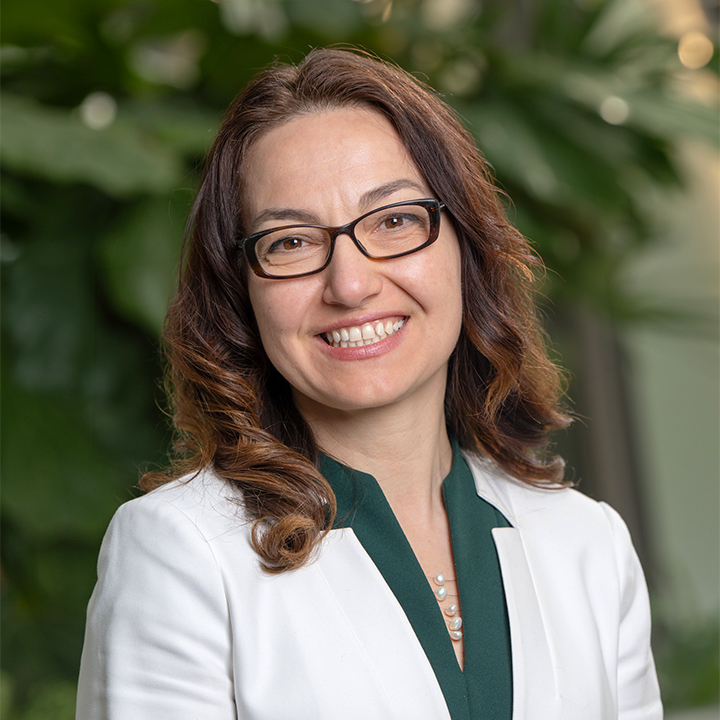
South Korean companies are well-positioned to capture more opportunities in World Bank-financed projects, particularly in areas of infrastructure and technology, according to a senior executive at the multilateral lender.
"For the last five years, Korean companies have won about half a billion dollars’ worth of contracts,” Gallina Vincelette, vice president of Operations Policy and Country Services at the World Bank, said in an interview held with The Korea Herald in central Seoul, Tuesday.
While $500 million is a sizeable sum, it represents only a fraction of the $90 billion worth of projects the World Bank financed between 2021 and 2025.
"It is a good basis to start with. But the opportunities are much bigger,” she said.
Vincelette was visiting Seoul to attend an annual event arranged to strengthen World Bank-Korea cooperation and promote the engagement of Korean companies in global development. The event is held every year, co-hosted by the World Bank, the Ministry of Economy and Finance, and the Export-Import Bank of Korea.
"What we are trying to do with procurement events, like this one, is to expand our reach towards potential bidders for World Bank-financed projects. At the end of the day, we support our client countries to achieve high-quality projects,” she said.
“Our Bank-financed projects open these opportunities as widely as possible so that they can attract high-caliber suppliers from anywhere in the world, including Korean companies."
Energy and extractives, transport, water, and digital are all areas where some of the leading companies coming from Korea support the delivery of World Bank-financed projects, she explained.
"Resilient infrastructure is another interesting area where Korean companies would be potentially competitive, as well as the whole area around crisis preparedness.”
Vincelette stressed that the World Bank procurement projects often extend beyond what companies typically encounter in domestic markets, providing a stepping stone for corporates trying to expand abroad.
"Building a large hydropower plant is not a very easy task. You probably have a limited number of companies in the world that have that specialized expertise. One would want to attract the right expertise to build the plant and ensure the integrity of the structure. This is where the development aspect of our work comes in,” she said.
A Bulgarian and US national, Vincelette has over 20 years of professional experience in development, economics, finance and policy.
Vincelette further highlighted updates to the World Bank’s procurement policies, including a 50 percent quality rating in bid evaluations, early market engagement, and a 30 percent local content requirement for labor, pinpointing that the changes hope to "bring benefits to the countries that we serve and the people that we work with.”
silverstar@heraldcorp.com