Korean firms urged to pursue global lender-financed projects, says East Asia-Pacific VP
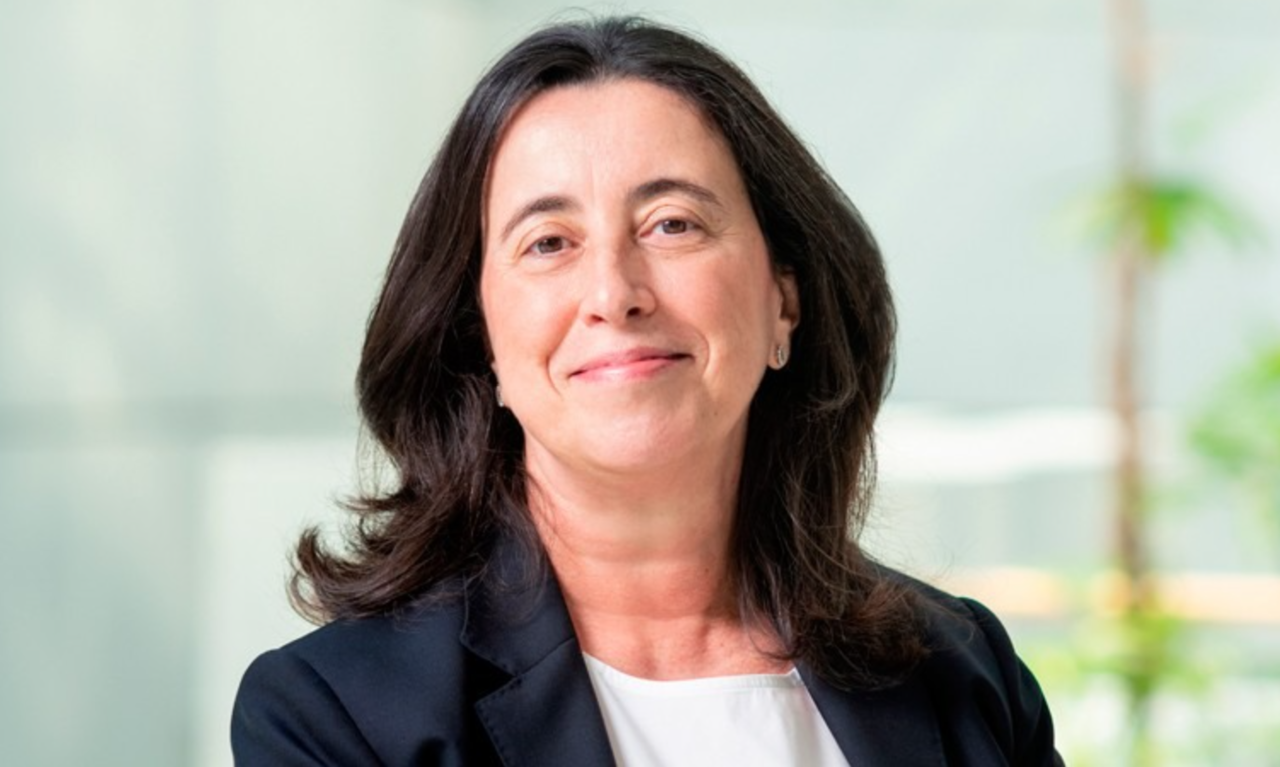
Korea, especially its private sector, can step up even further to contribute more to the world, as the global demand for clean energy continues to rise from new sources such as artificial intelligence and data centers, in addition to economic growth, use of air conditioning and electrification of transport modes, according to an executive at the World Bank.
“Everybody’s looking for what are the best ways to generate more clean energy and how to use (artificial intelligence) to make electricity grid more efficient,” said Manuela Ferro, the vice president covering the East Asian and Pacific region at the World Bank, in an interview with The Korea Herald in Seoul on Friday.
“There was a tremendous amount of Korean innovation that was displayed by over 1,000 participants. … The amount of innovation that is being generated here is incredible. You have a real edge in that area and all of those are related to cleaner forms of energy.”
Ferro visited Korea to attend Energy Super Week, which brought together global energy leaders in Busan throughout last week in conjunction with the 2025 World Climate Industry Expo, the 16th Clean Energy Ministerial Meeting, the 10th Mission Innovation Ministerial Meeting and the 15th Asia-Pacific Economic Cooperation Energy Ministerial Meeting in the southeastern city.
Korea became a donor country in 1977 when it first contributed to the International Development Association of the World Bank Group, only about half a decade after having last received World Bank assistance throughout the 1960s and into the '70s to rebuild from the ashes of the 1950-53 Korean War.
Ferro underlined that Korean companies could benefit from World Bank-financed projects in other countries if they bid for contracts for their implementation.
“For example, in the Solomon Islands we are financing the building of a dam in the Tina River and the project is being built by a Korean company that bid to develop this project under a (public-private partnerships) format,” she said.
Korea Water Resources Corp. won the $211 million project in 2018, followed by Hyundai Engineering & Construction securing the project’s engineering, procurement and construction contract the following year. The project, which was delayed due to the COVID-19 pandemic, held its groundbreaking ceremony in November last year.
Ferro, a Portuguese national with over 25 years of leadership and hands-on experience in Africa, Europe, Latin America, the Caribbean, the Middle East, North Africa and South Asia, reiterated that the World Bank is trying to get the Korean private sector more familiar with the World Bank and more aware of the business opportunities that exist for Korean companies, which could be boosted by having a greater Korean presence at the international organization.
hwkan@heraldcorp.com