Ramyeon shipments plunge nearly 18% in July as snacks, sauces also falter
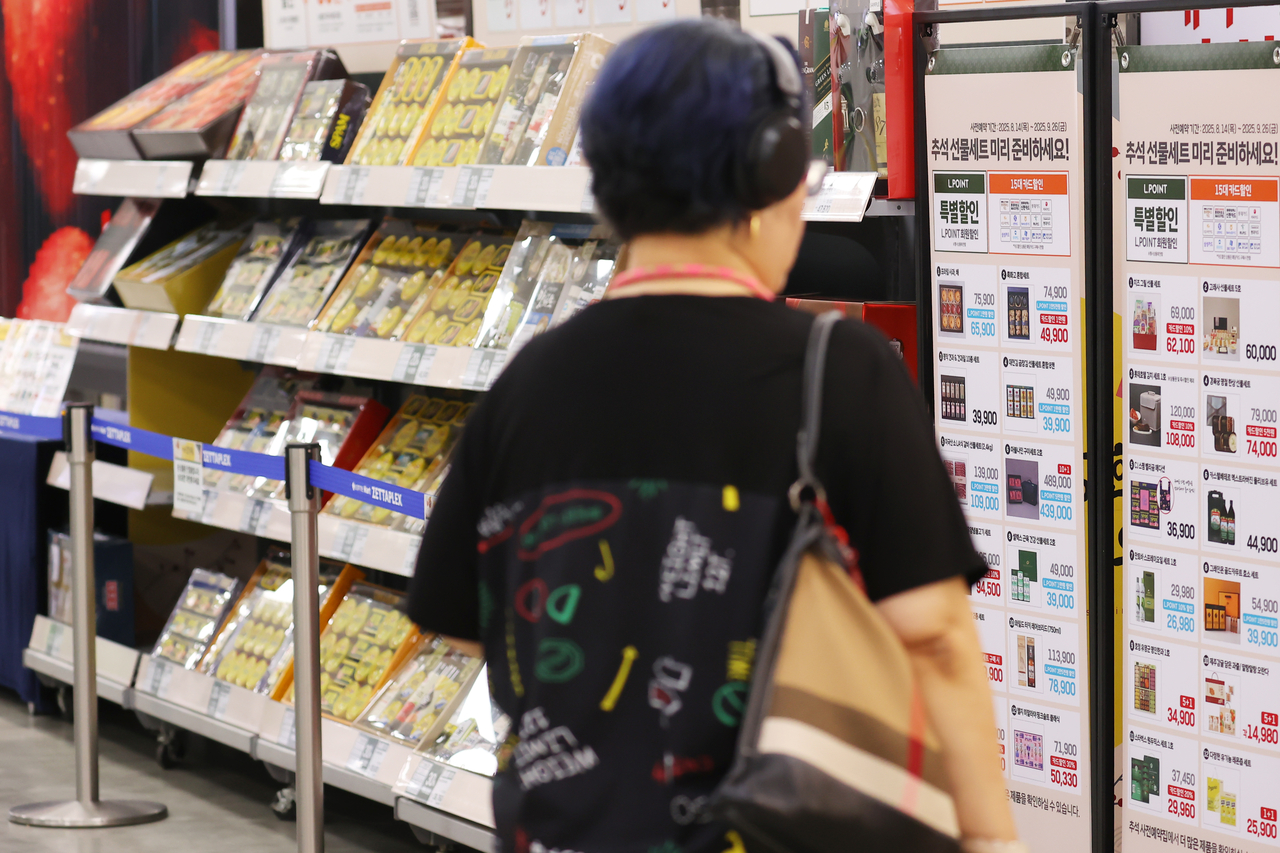
South Korea’s food export performance to the United States is showing signs of strain under the second Trump administration, as tariff pressures triggered the first monthly drop in shipments in over two years, data showed Wednesday.
According to data released by the Korea Trade Statistics Promotion Institute, Korea’s exports of agricultural goods fell 6.7 percent on-year in July to $139 million, marking a shortfall of $10 million.
It ended a streak of continuous growth in US-bound agricultural shipments since May 2023.
Instant noodle exports, or ramyeon, dropped 17.8 percent in July to $14 million, making them a key contributor to the downturn.
Snack exports dropped even more sharply, falling 25.9 percent to $20 million. Sauce shipments declined 7.2 percent to $7 million, while ginseng products also posted a double-digit loss of 13.4 percent.
Despite July’s setback, however, year-to-date agricultural food exports to the US still rose 21.3 percent to $1.07 billion, though the growth rate eased from 27 percent recorded through June.
The instant noodle category, in particular, surged 40.8 percent in the first half of the year from a year earlier. From February to June, monthly noodle exports to the US topped $20 million, peaking at $29 million in June, a 58.7 percent jump from the same month last year.
Some industry insiders attribute the slowdown in Korean food exports to front-loaded shipments, as many companies, especially those without local production, rushed to export ahead of anticipated tariff hikes.
“Due to tariff concerns, we concentrated much of our exports before June to secure inventory in the US market,” said an official from Samyang Foods, the maker of Buldak noodles that leads Korea’s instant noodle exports to the US.
Unlike Nongshim, which manufactures locally, Samyang remains heavily reliant on shipments from Korea.
Others point to the growing burden of tariffs as a key factor dampening retail performance. “After the initial 10 percent general tariff, some retail prices rose. With higher tariffs now in place, further increases are inevitable,” said an official from a major Korean food company.
On July 31, Korea and the US agreed to set a blanket tariff rate of 15 percent, down from the originally proposed 25 percent. “That will likely reduce consumer demand and result in fewer orders from US distributors,” the official added.
Softening US consumer sentiment, driven by persistent inflation, is further weighing on the outlook.
“Korean companies operating in the US are not immune to this shift,” said a Seoul-based industry analyst, pointing to sluggish second-quarter growth for major food players such as CJ CheilJedang and Nongshim.
minmin@heraldcorp.com