Baek Minkyung, AI-driven protein expert, honored with APEC award for pioneering work in structural biology
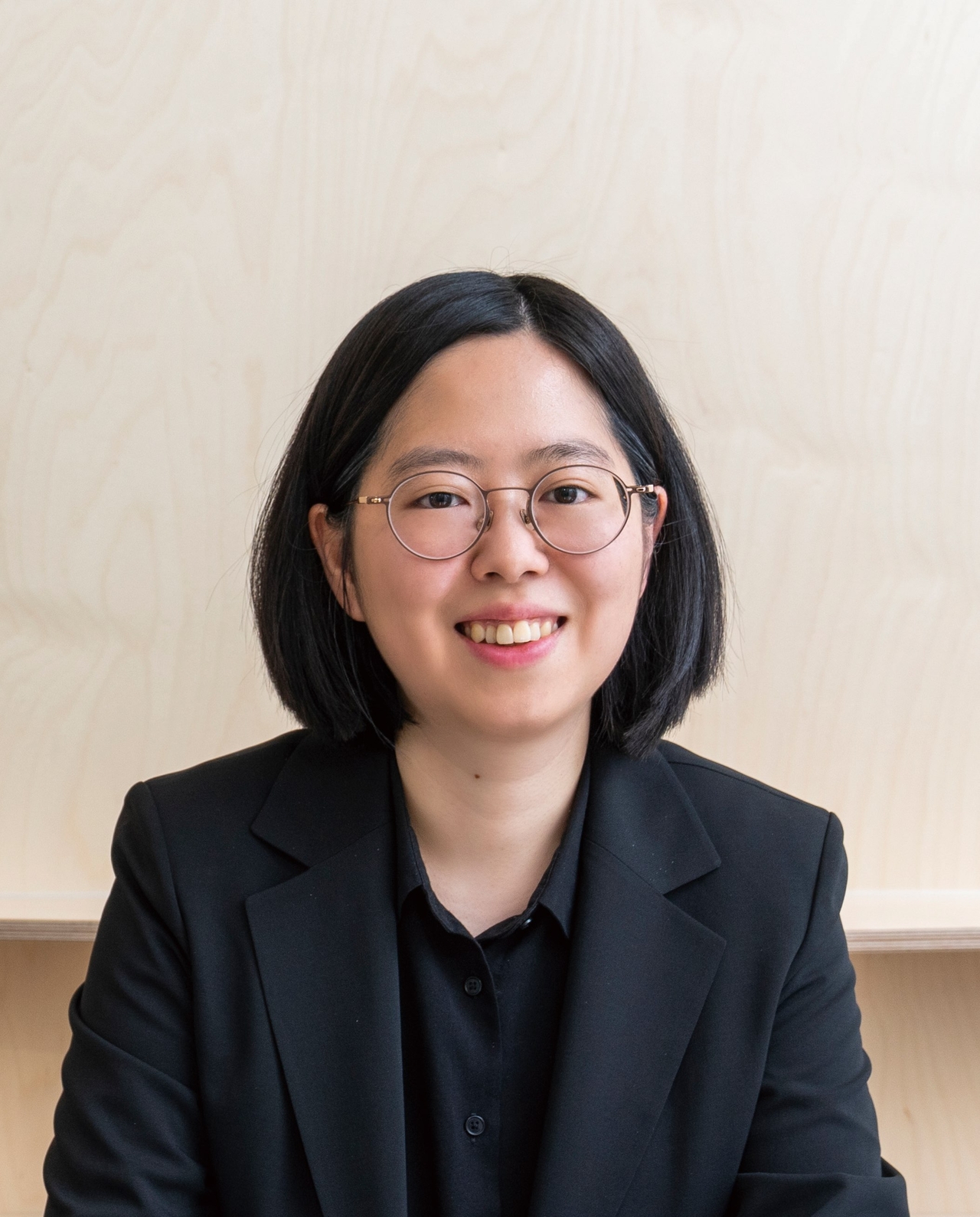
In the rapidly evolving field of artificial intelligence-powered life sciences, Baek Minkyung, assistant professor of department of biological sciences at Seoul National University, is making waves for pushing the boundaries of protein structure prediction and design.
As the winner of this year’s APEC Science Prize for Innovation, Research and Education, or Aspire, which is co-hosted by Korea’s Ministry of Science and ICT and APEC Policy Partnership on Science, Technology and Innovation, she shared her vision for inclusive biotechnology that addresses global challenges. She is the first Korean to receive the award since professor Kug Jong-seong of Seoul National University, who was honored in 2015 for his El Nino prediction model.
“The Aspire award reflects the collective effort of colleagues who have shared the challenges and breakthroughs along the way,” she said.
“I find it especially meaningful that our accomplishments in protein structure prediction and design have been recognized for their social value. I hope to continue leveraging AI technologies to better understand the complexities of life and to conduct research that contributes to solving societal problems.”
Her flagship innovation, RoseTTAFold, is an AI-based model capable of predicting the 3D structures of proteins. It has already been applied across biological research, drug discovery and vaccine design.
“I am expanding beyond predicting static, single structures to exploring multiple conformations of proteins, predicting protein–protein and protein–nucleic acid interactions and designing novel biomolecules with desired functions,” she explained.
The Aspire award’s 2025 theme -- "Toward AI-Bio Convergence: AI-based Inclusive Biotechnology Solving Social Challenges" -- resonates deeply with her research philosophy.
For her, “inclusive biotechnology” means ensuring that cutting-edge life science tools benefit a broad range of diseases and populations. Projects in her lab have included designing vaccine antigens for infectious diseases and predicting the structures of proteins linked to rare or under-researched conditions.
Behind her success lies a guiding principle: Research should be both intellectually stimulating and socially relevant. She credits her growth as a cross-disciplinary scientist to the freedom and mentorship she received during her graduate and postdoctoral years.
“Convergence research often takes time to yield results and I was fortunate to have mentors who encouraged risk-taking rather than rushing the process,” she said.
Looking ahead, she sees vast potential for international collaboration, particularly among young scientists in the Asia-Pacific Economic Cooperation region. “Open sharing of data and tools, along with diverse perspectives, can inspire new ideas and innovative joint projects,” she said, underscoring the importance of sustained communication and trust.
To early-career scientists, her advice is both practical and encouraging: “Research often requires long periods of reflection and trial-and-error, but it is also deeply rewarding. Even small exchanges of ideas across disciplines can spark collaborations that address big challenges.”
Her journey has not been without obstacles. Coming from a chemistry background, she initially found integrating AI into her work daunting.
“Rather than studying AI in isolation, I looked for ways to bridge the conceptual gap between AI and protein research,” she recalled. “Interdisciplinary research is not just about placing two fields side by side -- it’s about understanding each other’s language and bridging the gaps creatively.”
As AI continues to reshape science, she believes it will act as both a research accelerator and a catalyst for discovery -- enabling tasks once thought impossible and opening doors to entirely new scientific frontiers.
“That said,” she cautioned, “we must address data quality, result interpretation and ethical issues to ensure AI’s positive and lasting impact.”
yeeun@heraldcorp.com