With most returning trainees opting for Seoul hospitals, regional training centers boost salaries, housing to compete
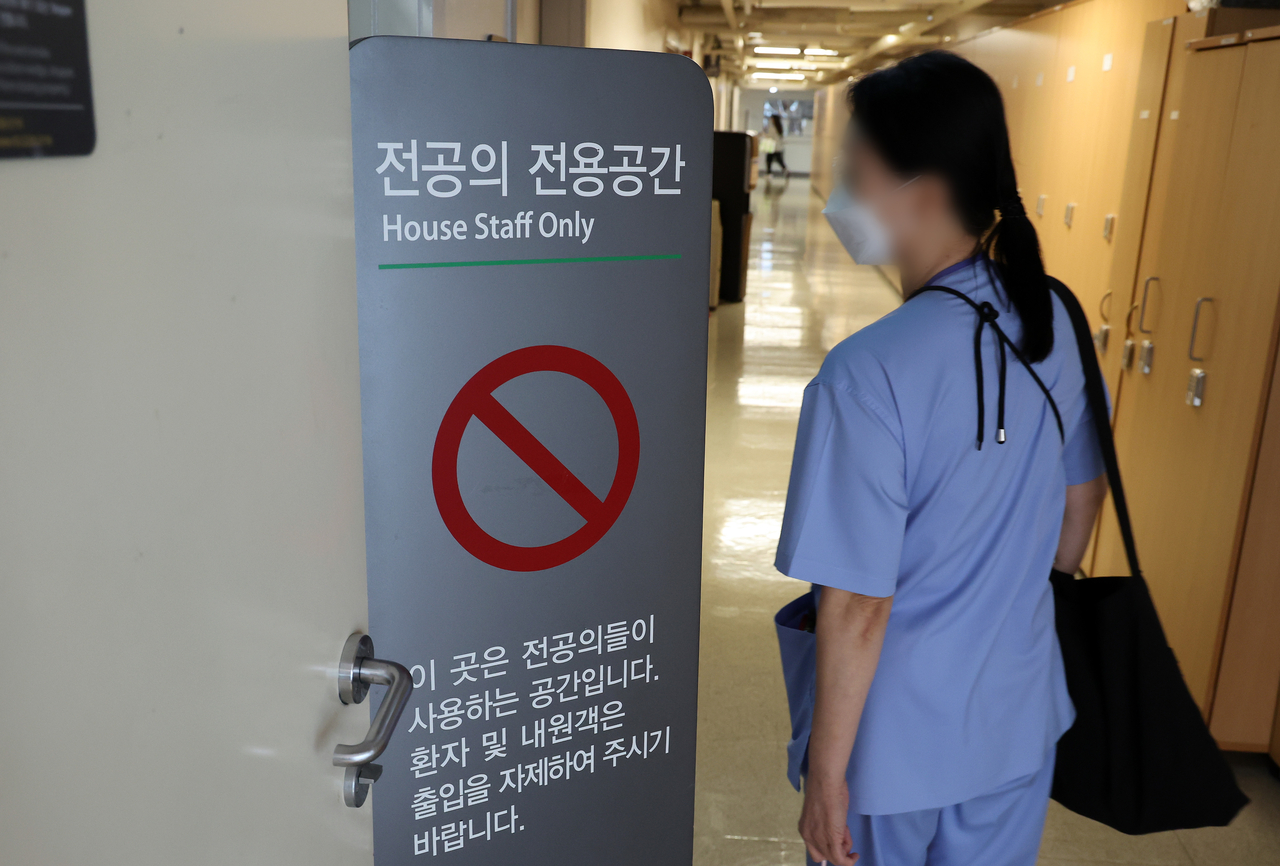
Regional training hospitals are offering unprecedented incentives to attract returning trainee doctors, as most who have rejoined the medical workforce in recent months have opted for positions in Seoul or other parts of the capital region. The imbalance is expected to deepen as the second-half recruitment period gets underway.
Daejeon Eulji University Hospital, a major general and training hospital in the city’s Seo-gu district, announced that it will raise trainee salaries by 17.4 percent and provide free accommodation to residents.
The measures are designed to make the hospital more attractive to those considering a return. “We have put these plans in place and are watching the recruitment process with high expectations,” the hospital said.
Eulji’s move reflects a wider trend among regional teaching hospitals, which have been actively discussing ways to counter the capital’s pull. Some hospitals are reported to consider adjusting work schedules or sending trainees to study abroad.
Despite several rounds of recruitment this year, relatively few returning doctors have chosen to work outside the Seoul metropolitan area.
In the first half of this year, 64 percent of the 822 trainee doctors who returned to work, along with 71 percent of the 860 newly recruited in a special May intake, were assigned to nonessential departments in capital-area hospitals.
“Many trainee doctors who resigned from regional training hospitals are now looking to reapply for positions in the capital,” one doctor at a major hospital in a city outside the capital area said. “Regional hospitals are exploring various measures and moving away from viewing trainees as a source of cheap labor.”
The number of applicants to regional hospitals outside the capital area will likely hinge on how many positions hospitals in and around the capital make available. If Seoul hospitals reduce their quotas, more returning doctors could be redirected to other facilities.
However, confusion remains among capital-based hospitals, many of which have yet to finalize their recruitment capacity. The government has left the hiring process to the discretion of individual training hospitals, forcing each institution to negotiate its department-level quotas internally.
“We are waiting for additional guidelines from the Health Ministry,” said an official at a major Seoul hospital. “No decisions have been made yet.”
Recruitment for second-half intake began Monday and will continue until the end of the month, with hospitals across the country hoping to fill long-vacant positions — and, for those outside the capital, to narrow a widening gap in the nation’s medical training system.
jychoi@heraldcorp.com