Born in ghost stories, reapers transform into pop culture icons
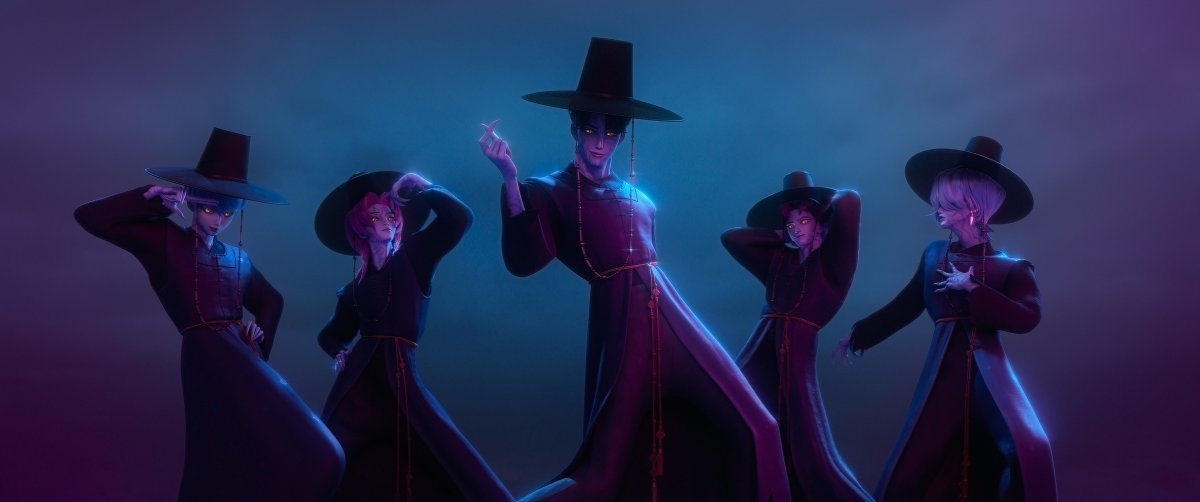
When the Saja Boys appeared on screen for the first time, dressed in floor-length black hanbok and wide-brimmed hats casting shadows over pale, painted faces, Kang Chan-mi, a 32-year-old office worker in Seoul, immediately recognized the look.
“I knew instantly what they were,” she said. “If you’re Korean, it’s almost impossible not to.”
The Saja Boys, a fictional K-pop group in Netflix's new animated film “KPop Demon Hunters,” may appear to be just another stylish boy band debuting for a global audience. However, for many Korean viewers, their stagewear evokes something much older and far more haunting: the "jeoseung saja," or the traditional Korean Grim Reaper.
The image is deeply familiar to Koreans. A pale-faced man, draped in black robes and wearing a "gat," a traditional Korean hat made of horsehair and silk, has long signaled death in Korean storytelling.
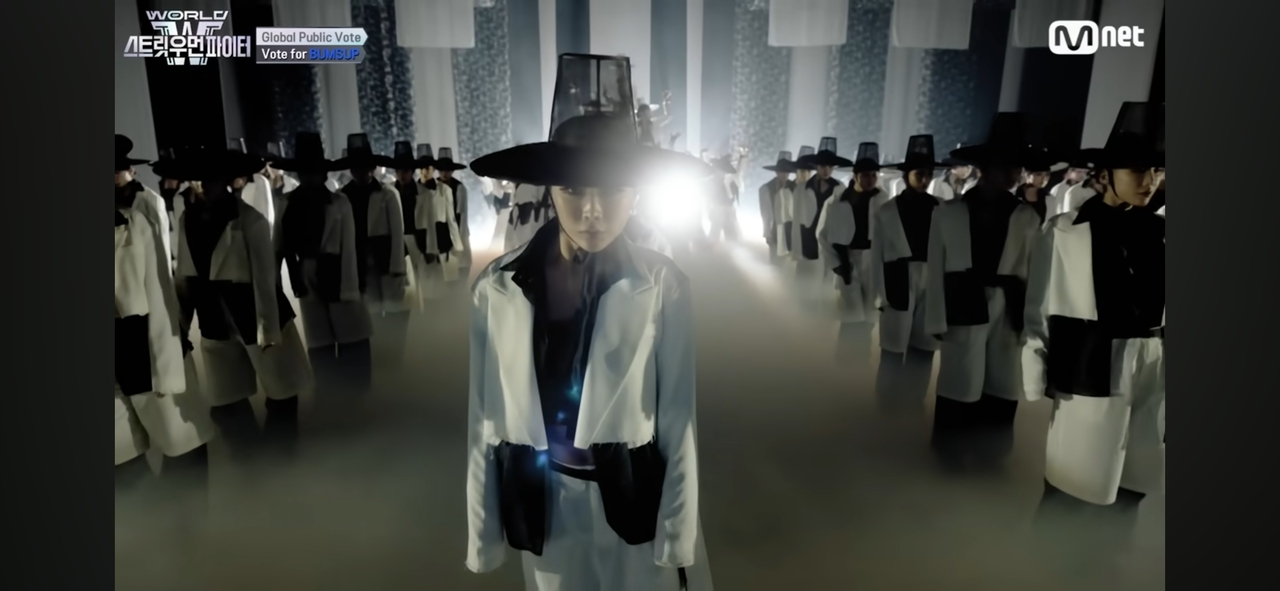
This is not the first time the grim reaper’s look has entered the limelight.
Recently on dance competition show “World of Street Woman Fighter,” Korean crew Bumsup built a performance around the figure, donning black shirts and gat to evoke the jeoseung saja’s chilling presence.
In Korean television and film, grim reapers have often been reimagined as charismatic and charming figures.
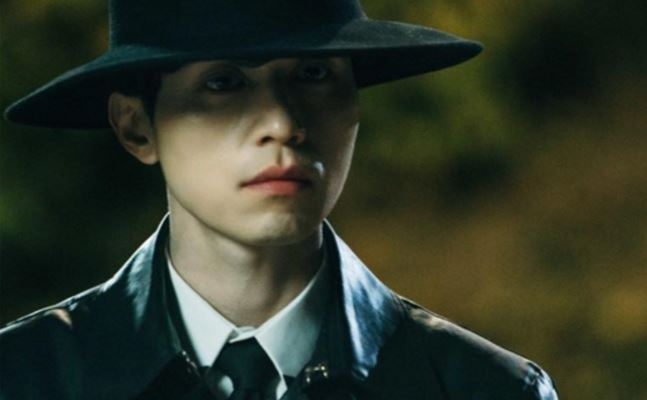
In 2016 hit drama series “Guardian: The Lonely and Great God,“ Lee Dong-wook portrays a modern version of the character, trading traditional robes and a gat for a tailored black suit and fedora.
The styling was contemporary, but the symbolism remained intact.
Tracing allure of Korea's grim reaper
So, where did this image come from?
Many trace it back to a June 1980 episode of KBS series "Legend of the Hometown," a show known for its ghost stories.
It was there that the jeoseung saja took on its now iconic appearance.
“We wanted to create a distinctly Korean image of death,” said Choi Sang-shik, a producer on the series, in a past interview. “Since death is associated with darkness, we dressed the grim reaper in black robes and contrasted it with a pale face and jet-black lips.”
But Korea's grim reaper has not always looked this way.
According to Kim Deok-mook's Encyclopedia of Korean Culture, the jeoseung saja originally appeared in shamanistic rituals as a military officer dressed in official armor. In many paintings from the Joseon era (1392-1910) — including Gamjae Saja, which indicates one of the underworld messengers — he is depicted wearing bright red armor.
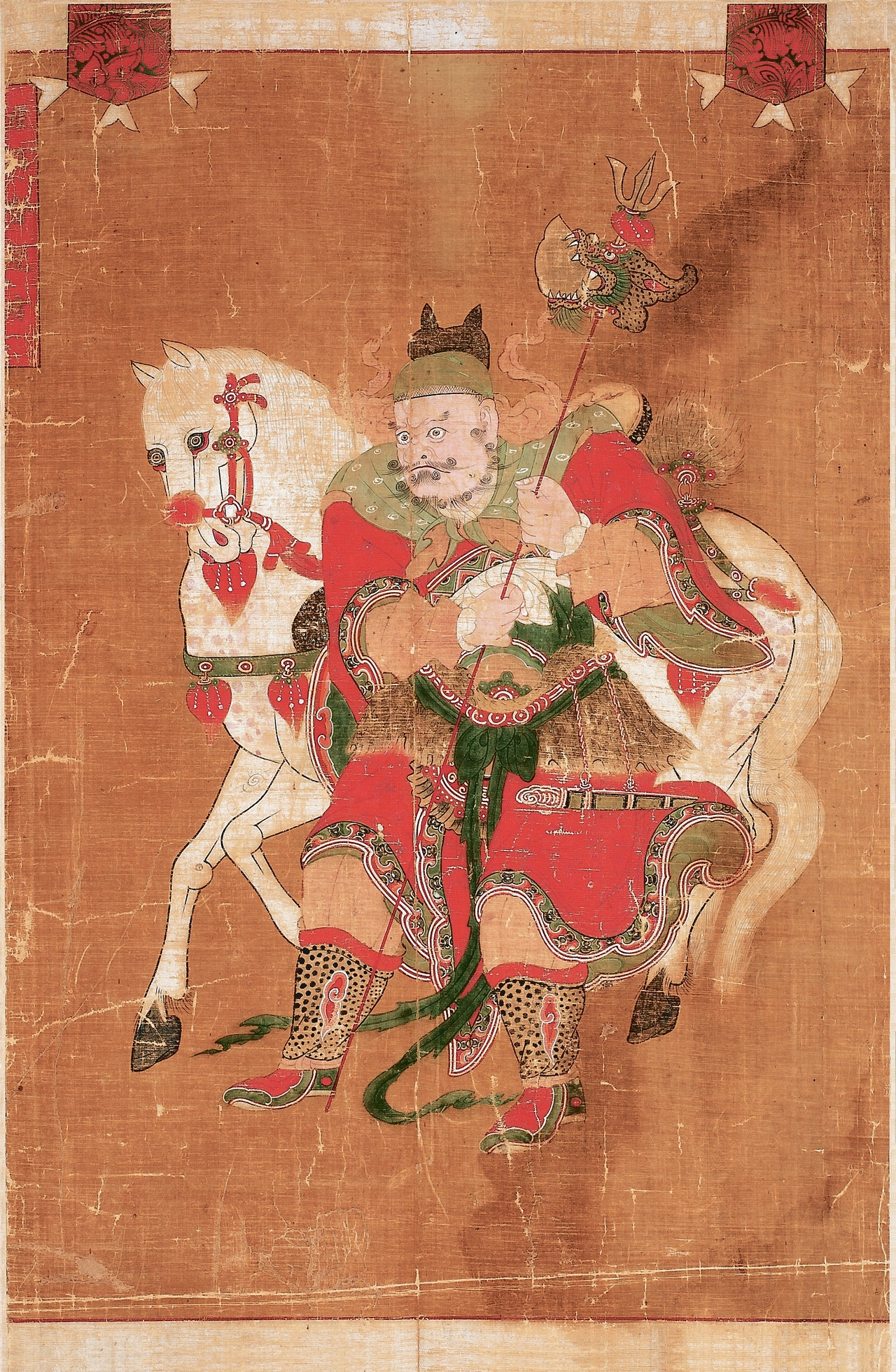
He was also a figure to be feared, as his arrival marked the moment a soul was taken from the world of the living.
Though he was a figure to be scared of, he was not treated with hostility. In traditional funerary rites, the reaper is regarded with solemn respect.
“Since the reaper also serves as a guide through the long and difficult journey to the afterlife, mistreating him could bring misfortune to the deceased,” Kim said. “That’s why families treat him with care during rituals.”
Even the number of reapers varies between tradition and pop culture.
In “KPop Demon Hunters,” there are five Saja Boys; in many Korean dramas and films, the jeoseung saja often appears alone, an isolated figure quietly escorting the dead.
But in Korean shamanism, the number is typically three.
According to Kim, in a traditional funerary ritual from Joseon's Hwanghae Province — in today's North Korea — families prepared three bowls of rice, three pairs of straw shoes and three sets of spoons and chopsticks. These offerings were meant to honor the three reapers guiding the departed's soul from this world to the next.
That belief has also made its way into modern storytelling.
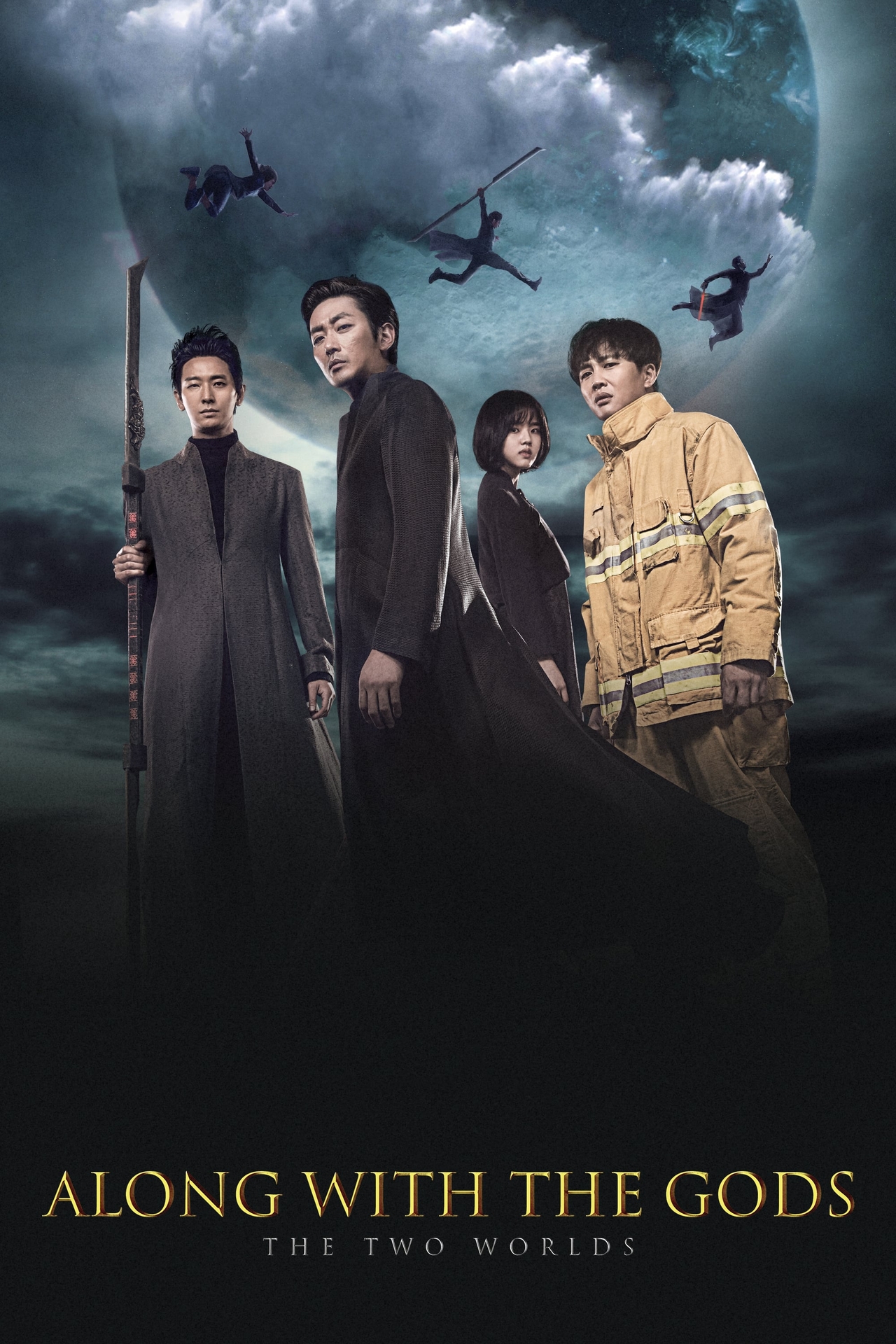
In the hit film “Along With the Gods: The Two Worlds,“ three grim reapers move together as a team. The group is led by a commander, played by Ha Jung-woo, with Joo Ji-hoon and Kim Hyang-gi portraying his companions.
Meanwhile, Saja Boys topped the US Spotify chart and made a strong debut on the Billboard 200.
According to Spotify on Saturday, the fictional boy band's “Your Idol" hit No. 1 on the platform’s Daily Top Songs chart in the US.
The film's soundtrack album also entered the Billboard 200 at No. 8, while individual tracks have landed on both the Billboard Hot 100 and the UK Official Singles Chart Top 100.
ssh@heraldcorp.com