Entertainment giant aims to streamline operations and cut costs with AI, spotlighting a new content strategy centered on AI-driven films, series and animation
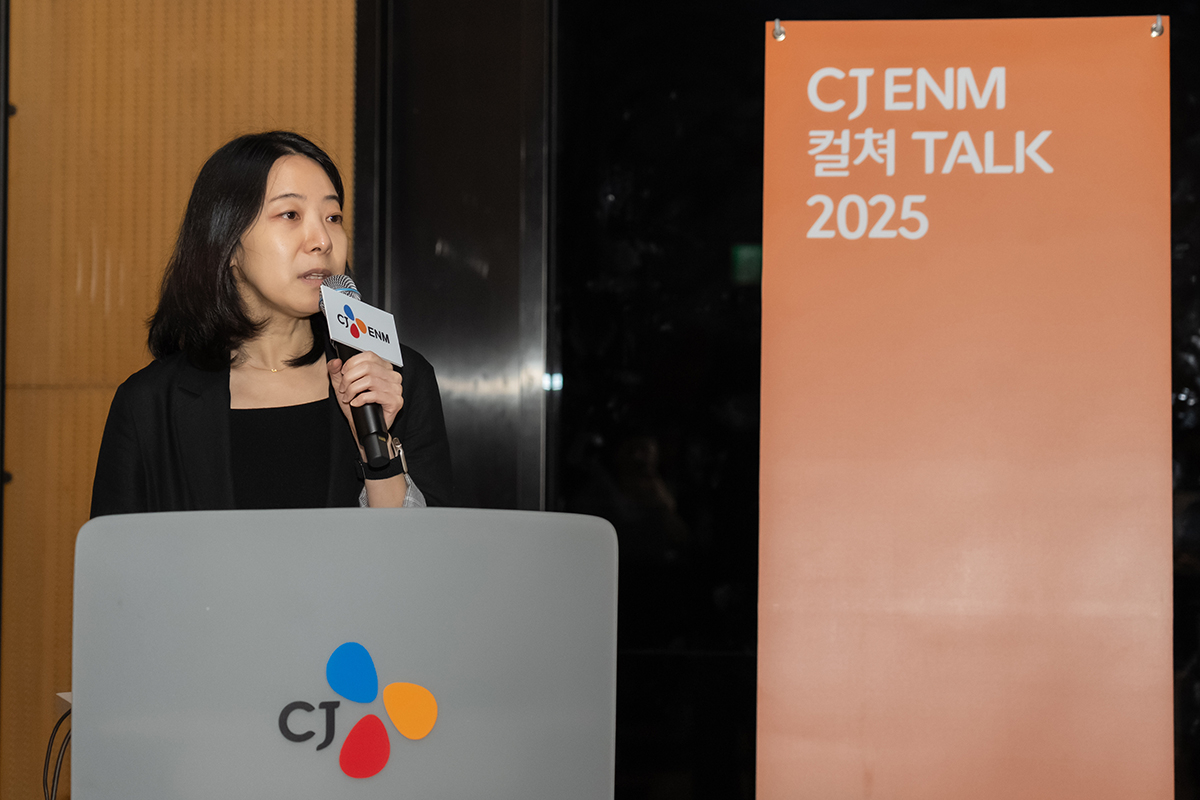
South Korean entertainment powerhouse CJ ENM announced plans to expand its use of artificial intelligence across its content pipeline as part of a broader strategy to boost production and realize ideas that would otherwise be limited by budget constraints.
During a press event Monday, the company said AI will be applied across four key areas: scriptwriting, production (such as the editing process), international distribution of content, and original content such as films and series developed using generative technology.
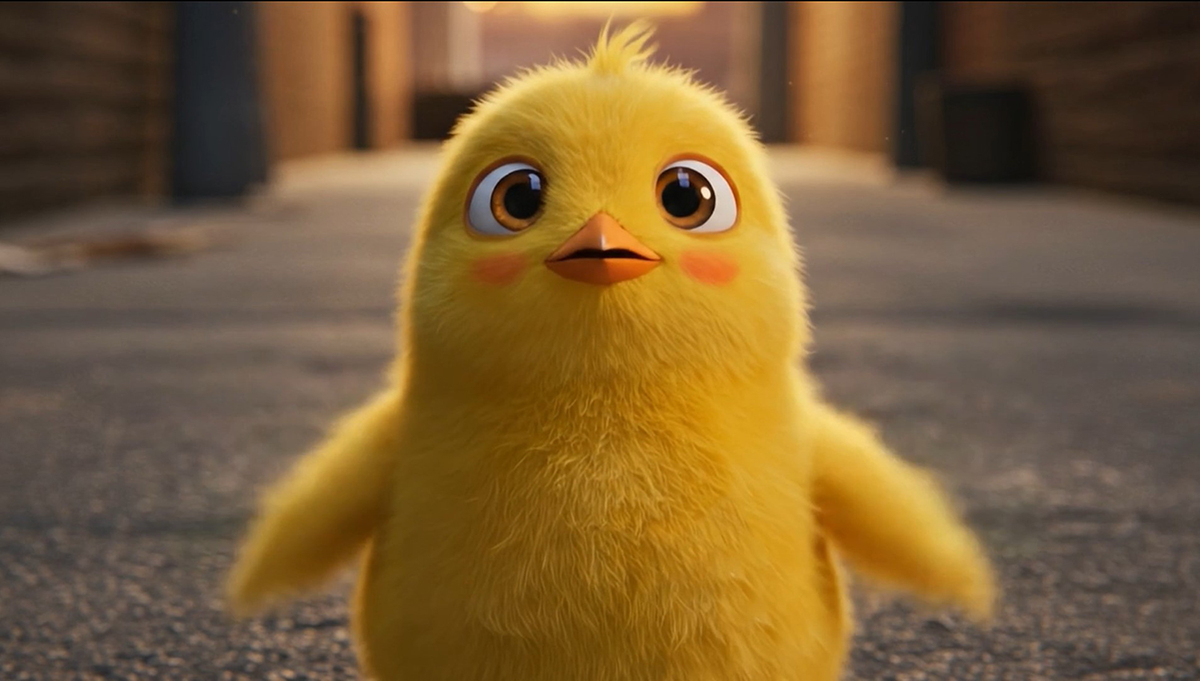
Among its AI-driven projects is "Cat Biggie," a no-dialogue short-form animation about a cat who becomes a father to a baby chick. Created by a six-person team over five months, which is a fraction of the typical workforce and timeline, the 30-episode series will roll out globally on YouTube in July. Each episode will run for two minutes, and the series will be released for free to boost character recognition among global audiences, the company said.
Jung Chang-ik, who created "Cat Biggie," said during Monday’s CJ ENM Culture Talk event held at the company’s Talent Studio in Seoul, that deploying AI significantly shortened the creation process.
"In comparison to traditional animation production methods, which typically require at least 20 to 30 staff members and a development period of over one to two years when including the planning and development stages, our team of just six creators completed the project in only five months," said Jung.
"This can truly be considered an innovative process, and it was made possible due to the integration of AI solutions," he said.
Baek Hyun-jung, head of AI Business & Production at CJ ENM, emphasized the company’s long-term vision for AI, citing two additional AI-based projects in development: the Greek mythology-inspired series "Legend" and the film "Apartment," both targeting late 2025 releases.
Baek also pointed to AI's potential to unlock previously unattainable concepts, particularly in high-cost genres like sci-fi and fantasy. "As production costs and related factors continue to grow on a massive scale, the amount of content that can actually be produced each year is, in reality, very limited," she said.
"Fantasy and sci-fi genres, in particular, require substantial budgets, which leads to genre-based limitations, especially when compared to Hollywood, where large-scale action blockbusters are produced much more frequently," she said.
"Because these genres often involve astronomical production costs, no matter how many creative sci-fi or fantasy ideas exist, very few of them are actually realized. That’s why our goal is to integrate AI-driven graphics technologies into traditional dramas and films, allowing us to tell richer stories and deliver higher-quality visuals without being restricted by subject matter," Baek added.
One hurdle in AI-led production remains consistency, a critical component for serialized or long-form storytelling.
"Even when using the same prompts, (AI is) very limited in generating identical characters or backgrounds. This makes it extremely challenging to produce video content with coherent storytelling. However, at CJ ENM, we are working to advance our solutions to ensure consistency tailored to the desired style," Baek explained.
yoonseo.3348@heraldcorp.com