Pandemic leader Jeong Eun-kyeong to face looming virus threat, aftermath of unresolved doctor-government conflict
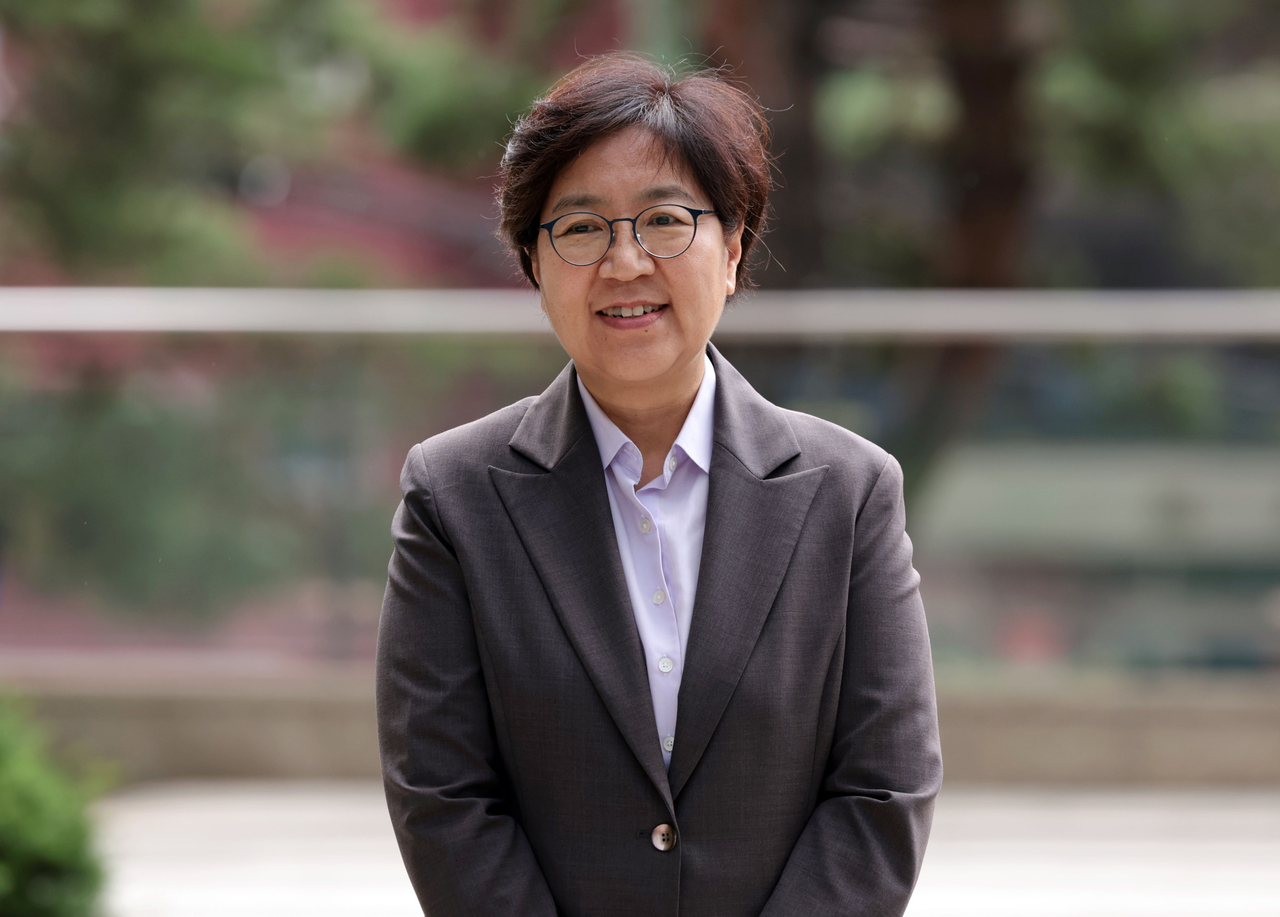
As a public health official, Jeong Eun-kyeong is a rare name many South Koreans recognize.
While Jeong had served in public health for decades before the pandemic, most came to know her from her leadership at the top of the country's main disease control agency as COVID-19 raged and eventually subsided.
When President Lee Jae Myung named Jeong to lead the Health Ministry on Sunday, many public health experts who had worked with her cheered.
For over two years from COVID-19's onset in February 2020, Jeong was the national doctor that South Koreans counted on for guidance as the country navigated through an unprecedented crisis.
At least for the first year, she led briefings watched by the whole country, several times a week if not daily, on the COVID-19 situation and safety rules to follow. Jeong was the trusted face of the government's virus response, while politicians and nonexperts in higher offices fumbled.
The word in the community of infectious disease experts in South Korea at the time was that Jeong was the lonely voice of science in the government, while politicians attempted to meddle in efforts to fight the virus by trying to ease or drop measures too early.
Her briefings were characterized by her calm, dry deliveries that stood in contrast with other government briefings then that sometimes carried premature promises and exaggerated rosy forecasts.
Aided by high compliance with masking and other rules from the public, South Korea was, during its first few waves of infections at least, a model country to the world. Then-President Moon Jae-in and the politicians in the administration tried to take credit, but the true hero behind the scenes was Jeong, those with intimate knowledge of what went on agree.
Jeong was so well-liked by South Koreans that lawmakers of both sides of the National Assembly spared her from annual hearings throughout her time in charge of COVID-19. This bipartisan decision to let Jeong off the hook in parliamentary hearings scrutinizing the government's response to the pandemic was met by little protest at the time.
When Jeong joined Lee's presidential campaign this April, it was a surprise. The softspoken COVID-19 leader, despite her level of public recognition, had made sure to keep a low profile. She rarely gave press interviews and avoided mixing with politics until she left office and disappeared from public sight in October 2022 to work at Seoul National University Hospital as a researcher.
Jeong's nomination as health minister comes amid worries about a new virus possibly emerging.
From the 2009 H1N1 flu to the 2015 Middle East respiratory syndrome to the 2020 COVID-19, records show that novel virus outbreaks tend to strike every five to six years.
If another such public health emergency should occur, Korea would be in experienced hands with Jeong. COVID-19 was not the first major infectious disease outbreak Jeong had battled in public office. During the 2015 outbreak of MERS, a deadlier but less contagious coronavirus than COVID-19, she headed the disease prevention division at the public health agency.
There are also warning signs of a COVID-19 resurgence in the summer. According to a government report published June 10, COVID-19 cases rose for two consecutive weeks in wastewater surveillance.
Jeong also inherits an unresolved standoff between doctors and the government that began under former President Yoon Suk Yeol's administration over a series of initiatives to increase the number of doctors.
The doctors' walkouts have disrupted health services, especially urgent and emergency services, with some patients being denied care. Restoring health systems is anticipated to be the new health minister's chief policy task.
Jeong is a preventive medicine specialist trained at Seoul National University. She first started at the public health agency in 1995.
arin@heraldcorp.com