In a bid to bolster its science and technology capabilities, South Korea's new administration approved a major policy revision to provide lifelong, full-cycle support for students and professionals in science, technology, engineering and mathematics, or so-called STEM fields.
The enforcement decree of the Special Act on supporting science and engineering fields was amended and passed during a Cabinet meeting on Thursday, the presidential office said. The revised decree aims to lay a legal foundation for government-led support for STEM talent, from primary school students to senior researchers.
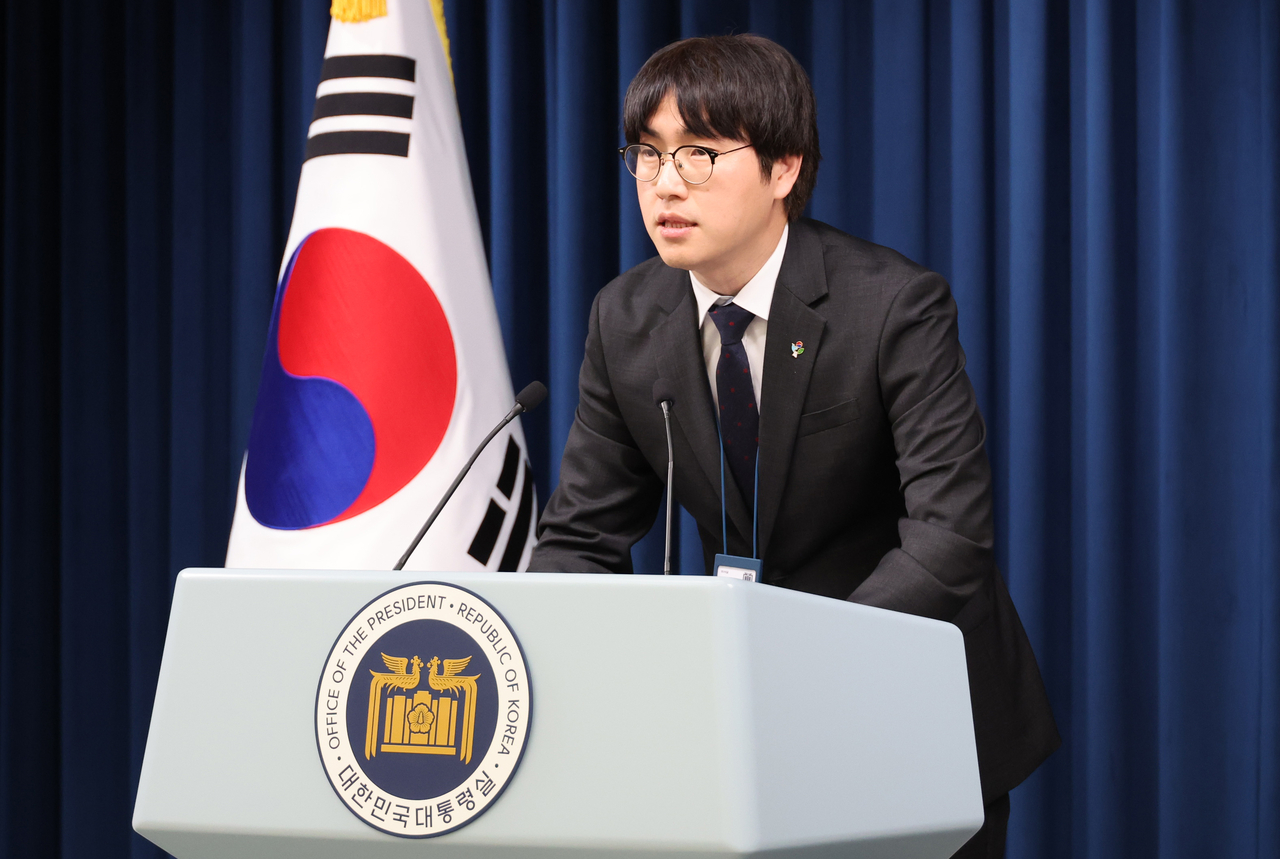
"The revision is a fast-tracked fulfillment of the government’s promise to nurture science and technology talent and will significantly contribute to building a national growth system centered on science and technology," said Ha Jung-woo, senior presidential secretary for AI and Future Planning on Thursday.
The amended decree includes key initiatives, such as focusing on early engagement with programs and content designed to spark interest in science and mathematics among elementary and middle school students, so that they are encouraged to pursue higher education in STEM.
Integrated degree programs and customized education in partnership with industry and research institutes are included to support university students and graduates
Ha, former head of Naver's AI innovation, emphasized the urgency of enhancing Korea’s competitiveness in artificial intelligence.
“The next three to five years may prove to be a golden window in the AI era. I’ve joined with the determination to contribute all I can to strengthen Korea’s AI capabilities with the experience and capabilities I have gained over time,” he said.
He highlighted the importance of building a comprehensive value chain across infrastructure, data centers and semiconductors, and stressed the need to create a virtuous cycle in which startups can develop innovative services and grow globally.
The revised decree also includes provisions to attract international STEM talent.
“The revision strengthens strategies to recruit global experts and incentivizes their return or long-term stay in Korea,” Ha noted.
Asked about the recent trend of students gravitating toward medical school over science and engineering — largely due to salary prospects — Ha acknowledged that the issue cannot be solved through compensation increases alone.
“This is directly tied to corporate labor costs,” he said. “We’re seeking solutions from a long-term, multi-agency perspective involving the ministries of education, welfare, and science and ICT.”
jychoi@heraldcorp.com