First 200 years of Joseon shaped Korean identity, National Museum of Korea says
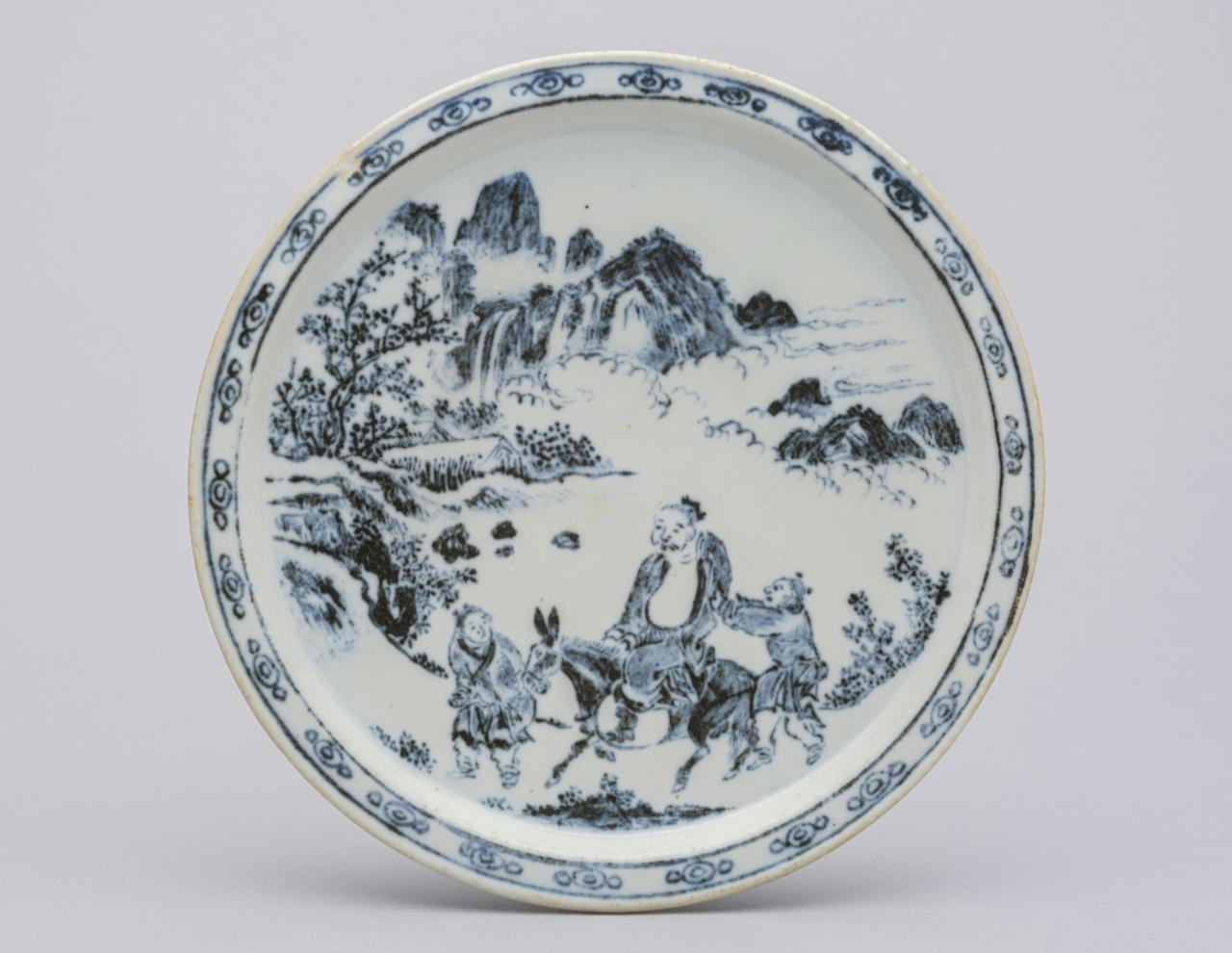
For the next three months, an exhibition at the National Museum of Korea will look at how the first 200 years of Joseon (1392-1910) formed what is quintessentially the Korean identity today through exceptional artworks.
The exhibition “Art of Early Joseon: Masterpieces from the 15th and 16th Century” illustrates the initiative and vibrancy the Joseon people projected as they fostered what would become Korea, according to Kim Jae-hong, the NMK director general, during a preview tour Monday.
“Joseon’s early years were pivotal to Korean history because the social fabric as well as physical borders of Korea were established by then,” Kim added, saying artworks on display would help people recognize the continuity of society over centuries.
A total of 691 ceramics, calligraphy and Buddhist paintings are on view, 40 of which are on loan from 24 institutions in the US, UK, Germany, France and Japan.
Of the 40 items, 23 are being shown in Korea for the first time, an NMK official said, adding that 79 items on display are state-designated National Treasures and Treasures.
Some 300 ceramics, which account for almost half of the entire objects featured, testify to Korea’s shifting focus on white porcelain from the celadon of the preceding Goryeo Kingdom (918-1392).
Buncheong, a type of stoneware that bridged the transition in the 15th century, uses a greater range of decorative techniques than Goryeo celadon, and is more colorful than white porcelain, the museum said. White porcelain replaced buncheong in the following centuries.
Calligraphy and paintings by Joseon officials, who doubled as scholars promoting Confucian values and teachings, shed light on Joseon aesthetics, chiefly expressed in ink wash paintings that stress various tonal effects employing just black ink and water.
“Through ink-wash landscape paintings rendered in deep tones of black ink with masterful shading, the scholar officials of Joseon depicted the ideal world envisioned by the newly established Confucian ideology,” the museum said.
Buddhist objects, from paintings to statues, add context to the exhibition dedicated to the deeply Confucian state.
The Wooden Seated Buddha at Jogyesa, the main temple of Jogye Order of Korean Buddhism, shows the influence Buddhism still held over the people even after the state adopted Confucianism as its ruling ideology, a museum official said.
Hunminjeongeum Haeryebon, a book annotating Hangeul, the Korean writing system created by King Sejong the Great in 1443, will be on display until July 7.
The exhibition comes 20 years after the museum’s reopening in Seoul’s Yongsan-gu. It runs through August, and admission fees are waived from Tuesday to Sunday.
siyoungchoi@heraldcorp.com