Korea’s first lunar orbiter expected to collect more detailed scientific data with extension of mission
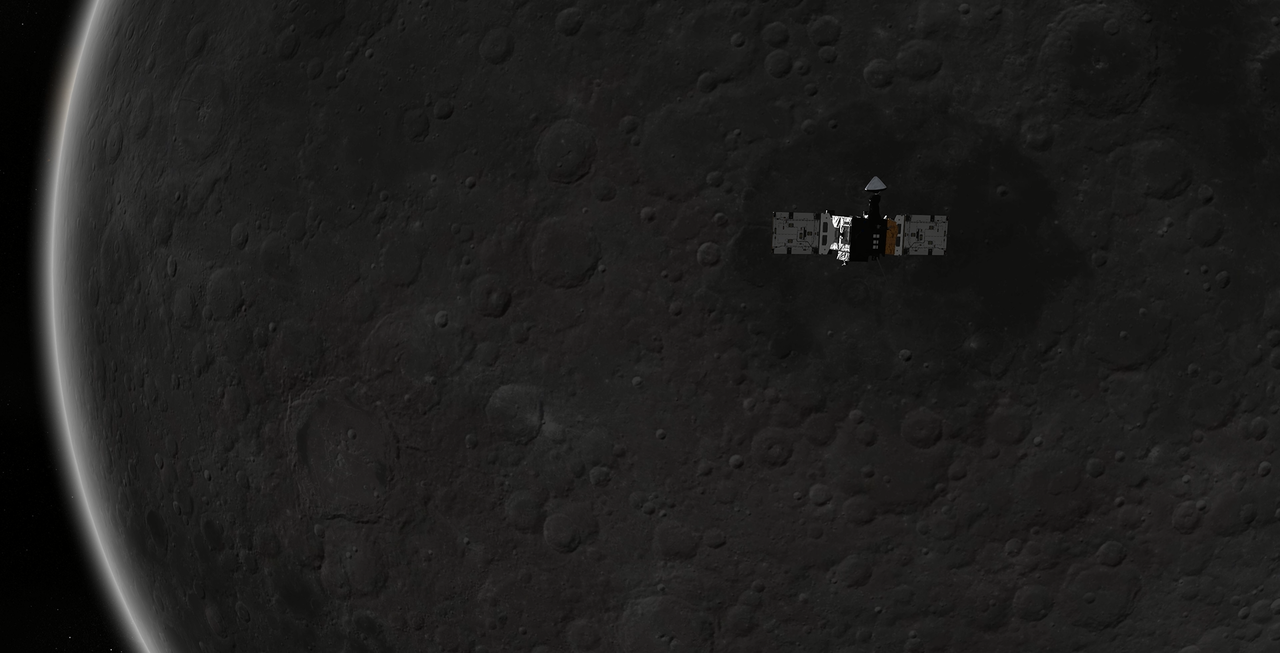
Korea’s first lunar orbiter Danuri has been given another green light to extend its mission through the end of 2027 and collect more data about the moon, the Korea AeroSpace Administration said Monday.
KASA held a lunar mission project meeting at the Korea Astronomy and Space Science Institute in Daejeon and decided on a two-year extension of Danuri’s lunar mission after analyzing the remaining fuel in the lunar orbiter.
Over the extended mission period, KASA said Danuri will first lower its orbit from the current 100 kilometers to 60 kilometers above the lunar surface and conduct operations for seven months. Danuri will then be guided into a fixed orbit using the moon’s gravity.
KASA noted that the lower orbit will allow Danuri to collect more detailed scientific data as it gets a closer view of the lunar surface, adding that its observations in the fixed orbit will enable it to collect data over a longer period.
After the extended mission concludes by the end of 2027, KASA plans to lower Danuri’s orbit to an altitude required for a moon landing and test related technologies before sending Korea’s first lunar orbiter for a guided collision with the lunar surface in March 2028.
Danuri, also known as the Korea Pathfinder Lunar Orbiter, was initially launched in August 2022 and began its original year-long observation mission in January 2023. With Danuri’s successful entry into lunar orbit, Korea became the seventh country in the world with the capability to explore the moon.
With six payloads, Danuri has been spotting potential landing sites for Korea’s future lunar missions, assessing the traits of the lunar surface such as its topography, magnetic strength and gamma rays, exploring the dark side of the moon and testing interplanetary internet communication in deep space.
Korean scientists assessed Danuri’s observation data as excellent and determined that it had enough spare fuel to carry out missions for a longer period of time to collect more data about the moon, extending the KPLO’s mission period to December 2025.
“Through the additional extension of Danuri’s mission and the change in its operational orbit, we will maximize the achievements of each payload and operate Danuri so that it can help the US Artemis program and our country’s lunar lander, which we aim to launch in 2032,” said KASA Administrator Yoon Young-bin.
hwkan@heraldcorp.com