The frequency of North Korea's missile tests has nosedived in the fourth quarter of each year after Kim Jon-un assumed power in 2011, a US-based researcher has said.
Kim's regime has conducted a total of 116 missile tests since 2012, including the latest one, which sent a missile over Japan on Sept. 15.
An average of 4.3 missile tests were conducted in the first quarter of each year, while an average of 4.8 tests were recorded in the second quarters, Shea Cotton, research associate at the California-based James Martin Center for Nonproliferation Studies, said in his Twitter feed earlier this week.
He said the missile test frequency averaged 4.2 in the third quarters but fell sharply to 0.8 for the fourth quarter every year.
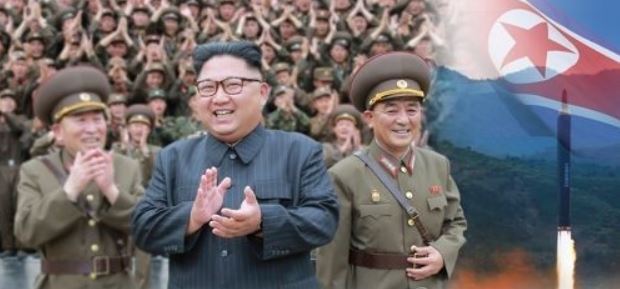
He did not provide the specifics of his calculations but linked the near inactivity to the North's need to focus on winter preparations.
"It's been 38 days since the last DPRK missile test," he said in a tweet posted Oct. 22. "This is the longest gap in tests we've seen since DPRK started tests on Feb. 12 this year." DPRK stands for North Korea's official name, the Democratic People's Republic of Korea.
"In April and May, North Korea was testing missiles at a rate of about one per week. This 38 day gap is a big slowdown from that," he noted.
Speaking of a possible reason behind the slowdown, he said, "I suspect North Korea spends its resources in the fall on the harvest or other winter preparations."
He said this may not be because US policy on North Korea is having an effect.
"If we want to negotiate with DPRK, now is a great time to do it since they're not going to be firing off rockets every week," he suggested.
The sustained hiatus in missile launches has spawned hopes for possible negotiations with North Korea to allay heightened tensions on the Korean Peninsula following the North's whirlwind of military provocations and bellicose rhetoric.
"South Korea, along with the US and Japan, is seeking to create momentum (for peacemaking) by helping prolong the hiatus in North Korean provocations," a senior South Korean government official said. (Yonhap)










