Korea Zinc’s planned $7.4 billion smelter in Tennessee would give the United States a domestic source of refined critical minerals, including gallium, germanium and antimony, as Washington seeks to reduce its reliance on China for mineral processing.
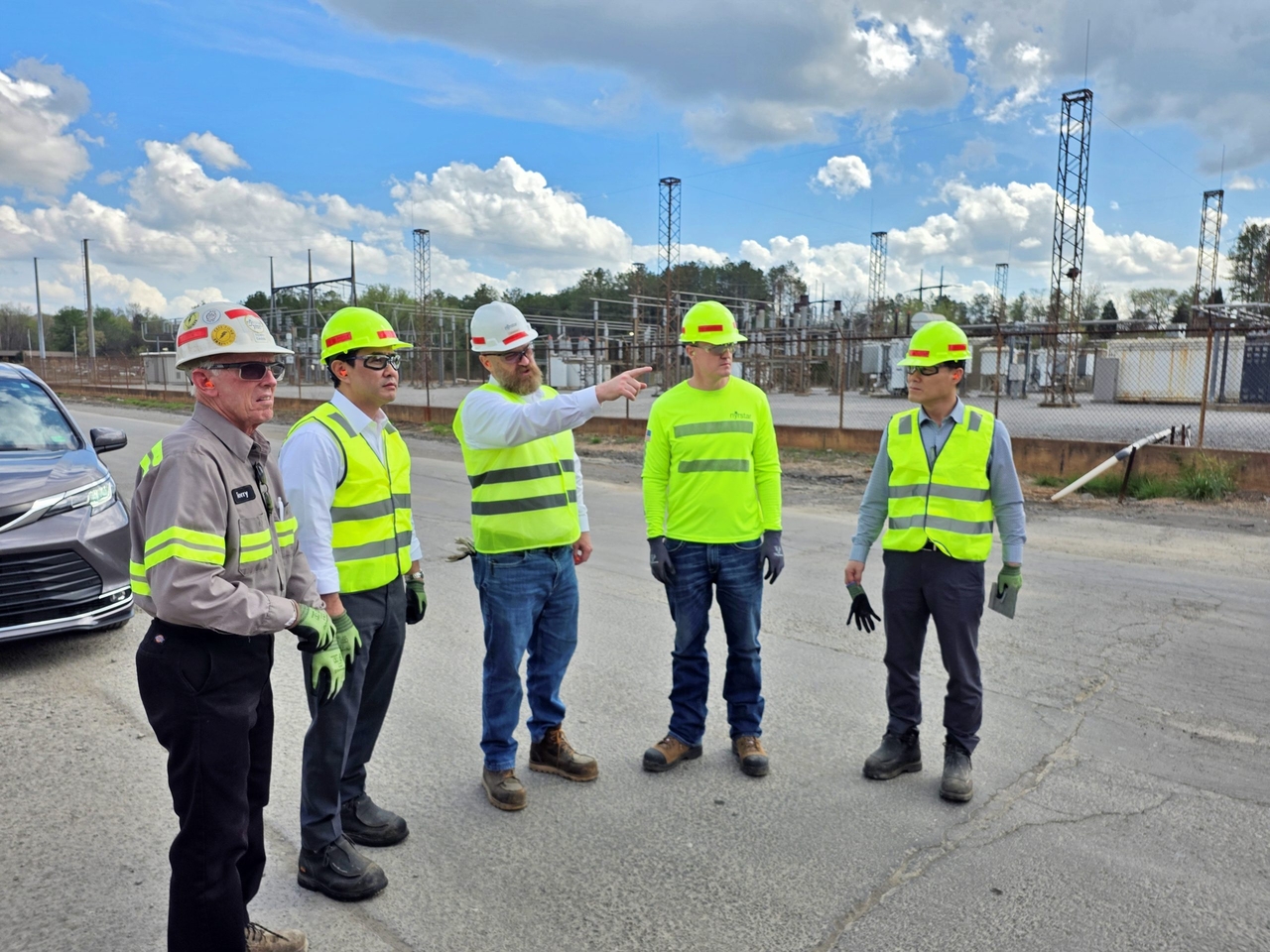
The South Korean zinc producer plans to build the 650,000-square-meter complex in Clarksville under a venture known as Project Crucible.
Construction is scheduled to begin in 2027, with commercial production of some products expected to start in 2029.
The facility is designed to produce 12 nonferrous metals, 11 of which the US government designates as critical minerals, as well as semiconductor-grade sulfuric acid.
Led by Korea Zinc Chair Choi Yun-birm and backed by the US government, the project would expand US processing capacity and deepen industrial ties with South Korea.
Industry officials expect competition between the US and China over critical mineral supply chains to continue after US President Donald Trump and Chinese President Xi Jinping met in Shenzhen, China, on Thursday. The talks produced no announced breakthrough on rare earth export controls.
Trump highlighted Korea Zinc’s investment and the jobs it could bring to Tennessee at an Oct. 10 rally in Clarksville for Republican candidates ahead of the midterm elections.
Project Crucible has cleared several milestones this year. In April, it gained coverage under FAST-41, a federal program that coordinates permitting and sets review schedules for major projects.
In September, the US Department of Defense issued a finding of no significant impact after completing its environmental assessment.
On Nov. 10, the Tennessee Valley Authority’s board approved a power request from Crucible Zinc, the US subsidiary overseeing the project.
The utility is expected to begin supplying power in 2029 under a contract for 230 megawatts. Other permits are still pending.
In a letter to shareholders, Choi said the project combines technology and operating expertise that Korea Zinc has developed over more than 50 years with strategic partnerships and US government policy and financial support.
“We expect the project to expand critical minerals cooperation between South Korea and the US and help address economic and security challenges facing both countries,” Choi said.
“The longer the US-China supply chain rivalry drags on, the more important it will become to secure stable supplies of critical minerals and build production capacity,” an industry official said, adding that the Tennessee plant could help the US diversify its supply of refined minerals and strengthen cooperation with South Korea.
sahn@heraldcorp.com