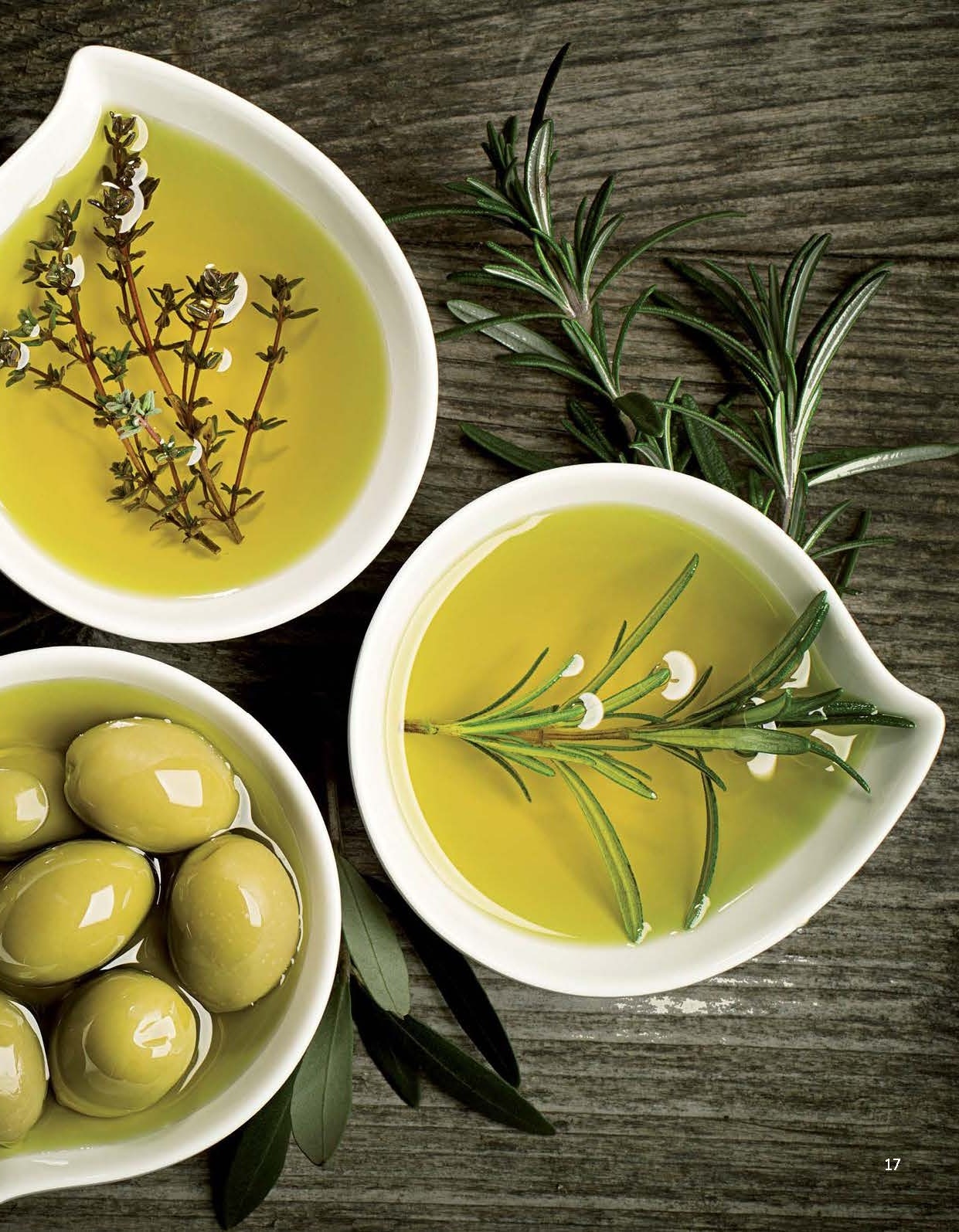
Tunisia hopes to bring its olive oil to more Korean tables, promoting country's rich history, economy
South Korea's imports of Tunisian olive oil reached 535 metric tons in the first 10 months of 2026, nearly 3.7 times the total recorded for the whole year in 2025, as the North African country seeks to expand its presence in the Korean market.
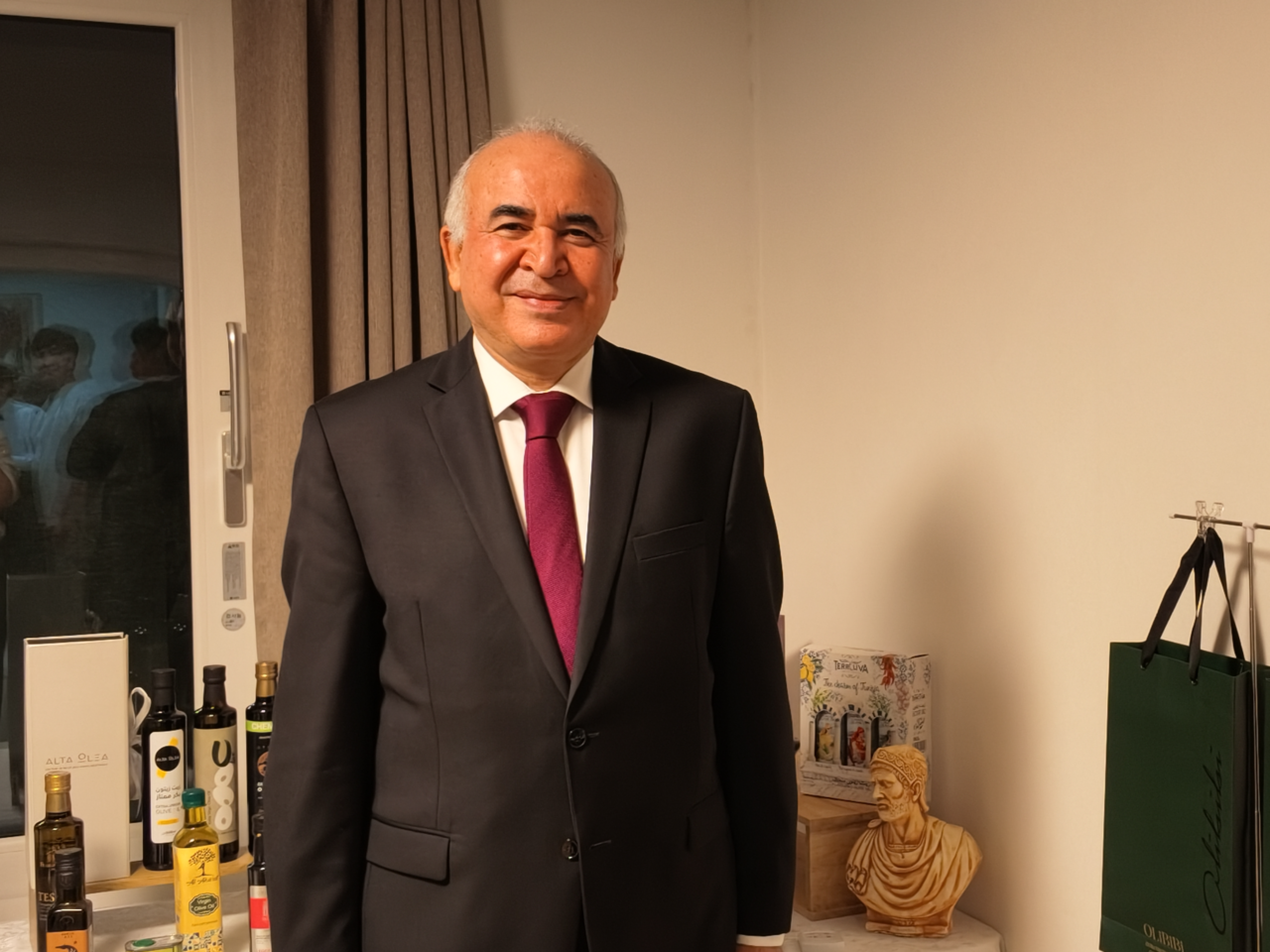
The Tunisian Embassy hosted "A Taste of Tunisia" at the ambassador's residence in Seoul on Friday, introducing its olive oil industry and its more than 3,000-year history of cultivation.
"In Tunisia, the olive tree is far more than a crop. It is a living witness to our history and a sacred bond passed down from parent to child," said Ambassador Kais Darragi in his welcoming statement.
"Tonight, in Seoul, that ancient tree extends its branches to Korea. Seeing Korean families embrace our olive oil fills us with profound pride," he said.
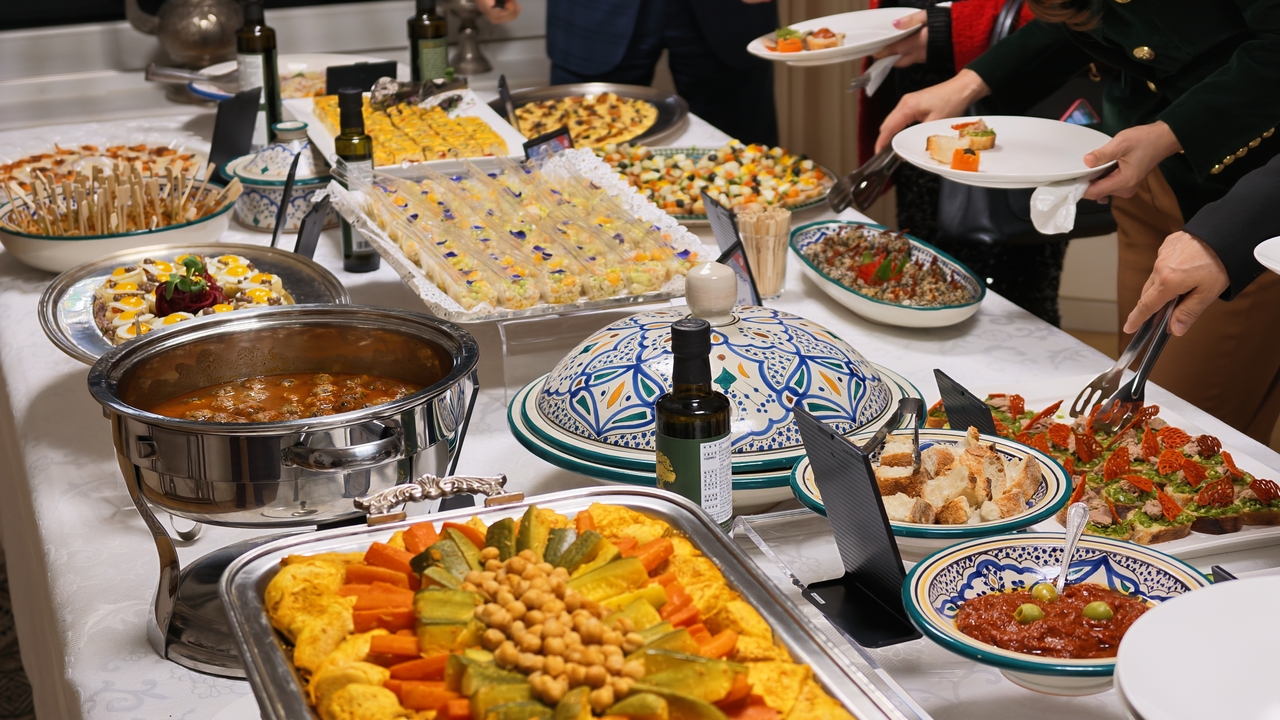
Korea has emerged as an increasingly important destination for Tunisian olive oil.
Imports reached $3.26 million in value between January and October, accounting for 1.48 percent of Korea's olive oil imports by value. By volume, it has ranked as Korea's third-largest olive oil supplier, after Spain and Italy, according to the Korea Customs Service.
To expand its reach among Korean consumers, the embassy has launched a Korean-language platform alongside a Korean catalog featuring 39 Tunisian olive oil products and 22 varieties for greater access.
Tunisia has become the world's second-largest olive oil producer after Spain, with its production reaching around 500,000 tons in the 2025-26 harvest season, approximately 14.5 percent of global output. The share increased from 9.5 percent in the previous season by 5 percentage points.
Between November 2025 and September 2026, Tunisia exported around 399,000 tons of olive oil to more than 82 countries.
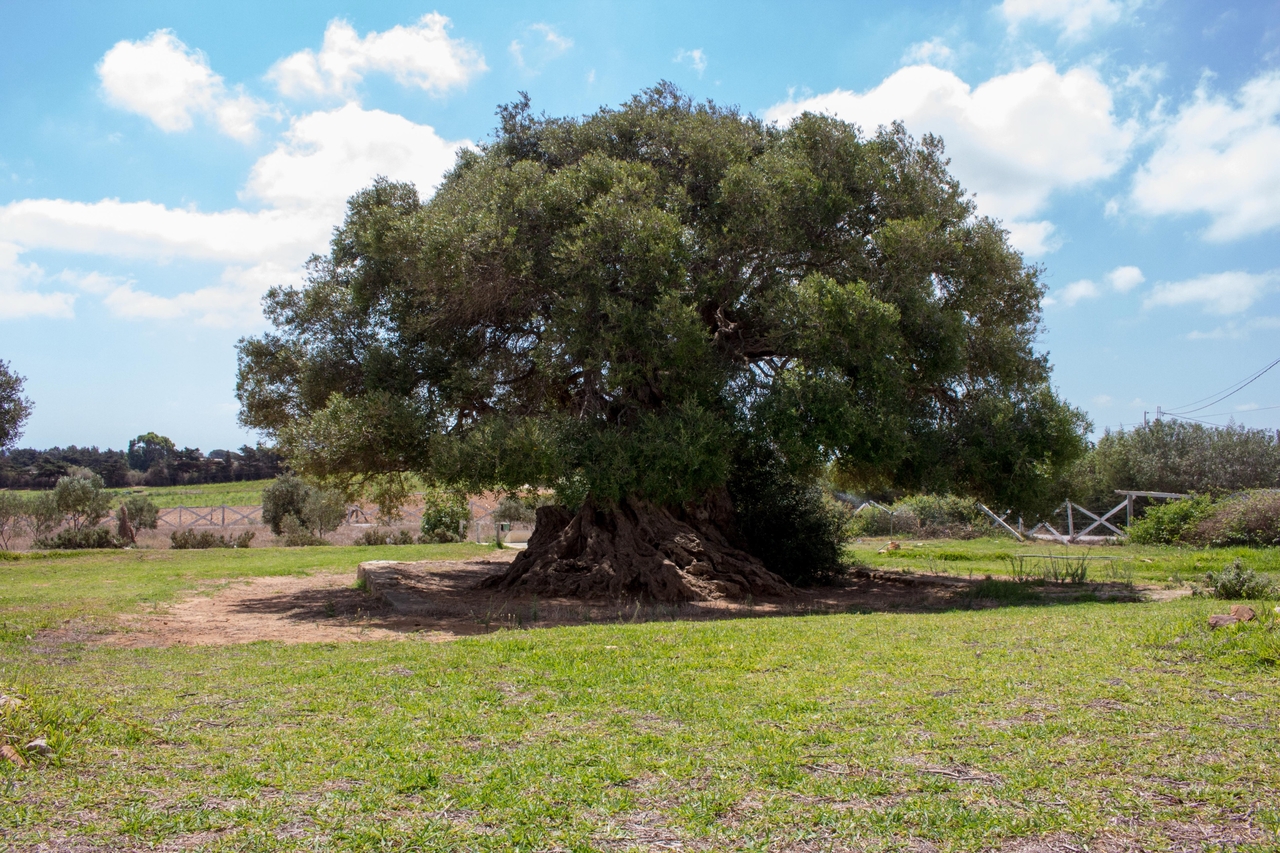
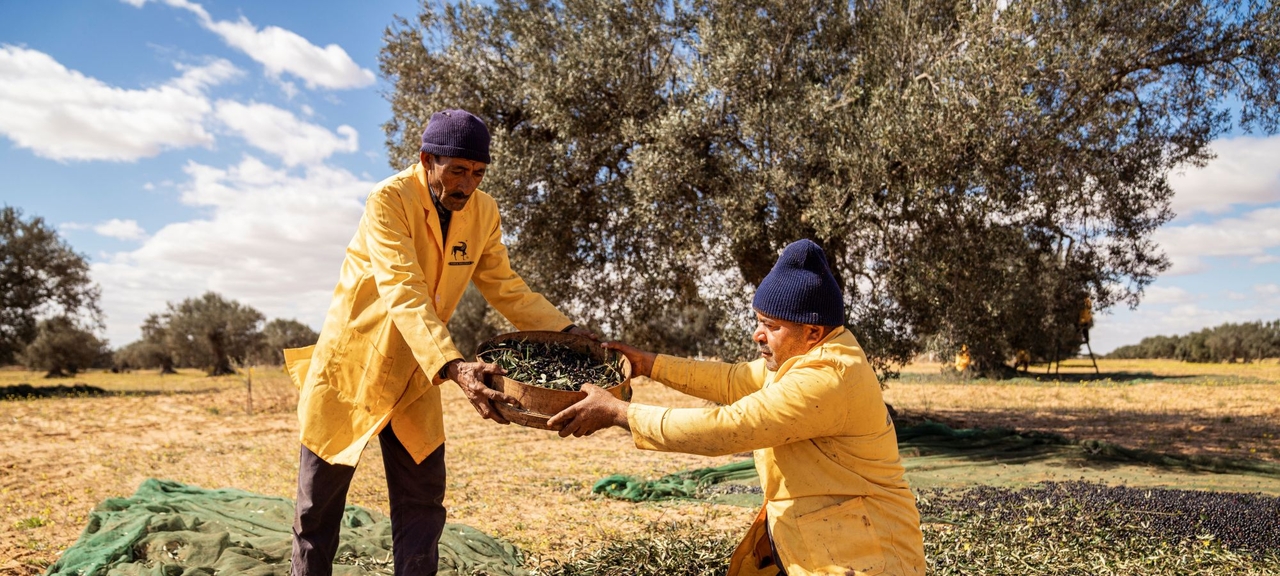
Olive cultivation has been deeply rooted in Tunisia for more than three millennia. Situated in the northernmost part of Africa, only 140 kilometers away from Sicily, the country's climate provides rich grounds for more than 82 million olive trees across roughly a third of its arable land.
Its 22 olive varieties carry different flavors shaped by local climates, soil conditions and cultivation traditions. The Chemlali carries more delicate and balanced traits, while Chetoui has more fruity and peppery notes.
The Seoul event came ahead of World Olive Tree Day on Nov. 26, established by UNESCO in 2019 upon a joint initiative by Tunisia and Lebanon. The day celebrates the tree's social, cultural, economic and environmental significance as well as its symbol of peace, wisdom and harmony.
"Each bottle is a living bridge between ancient Mediterranean history and your table," said Darragi. "I encourage you to engage with the craftsmanship, heritage and people behind it."
mjcha@heraldcorp.com