Government considers longer restraining orders, expanded victim protection and life imprisonment without parole for serious violent offenders
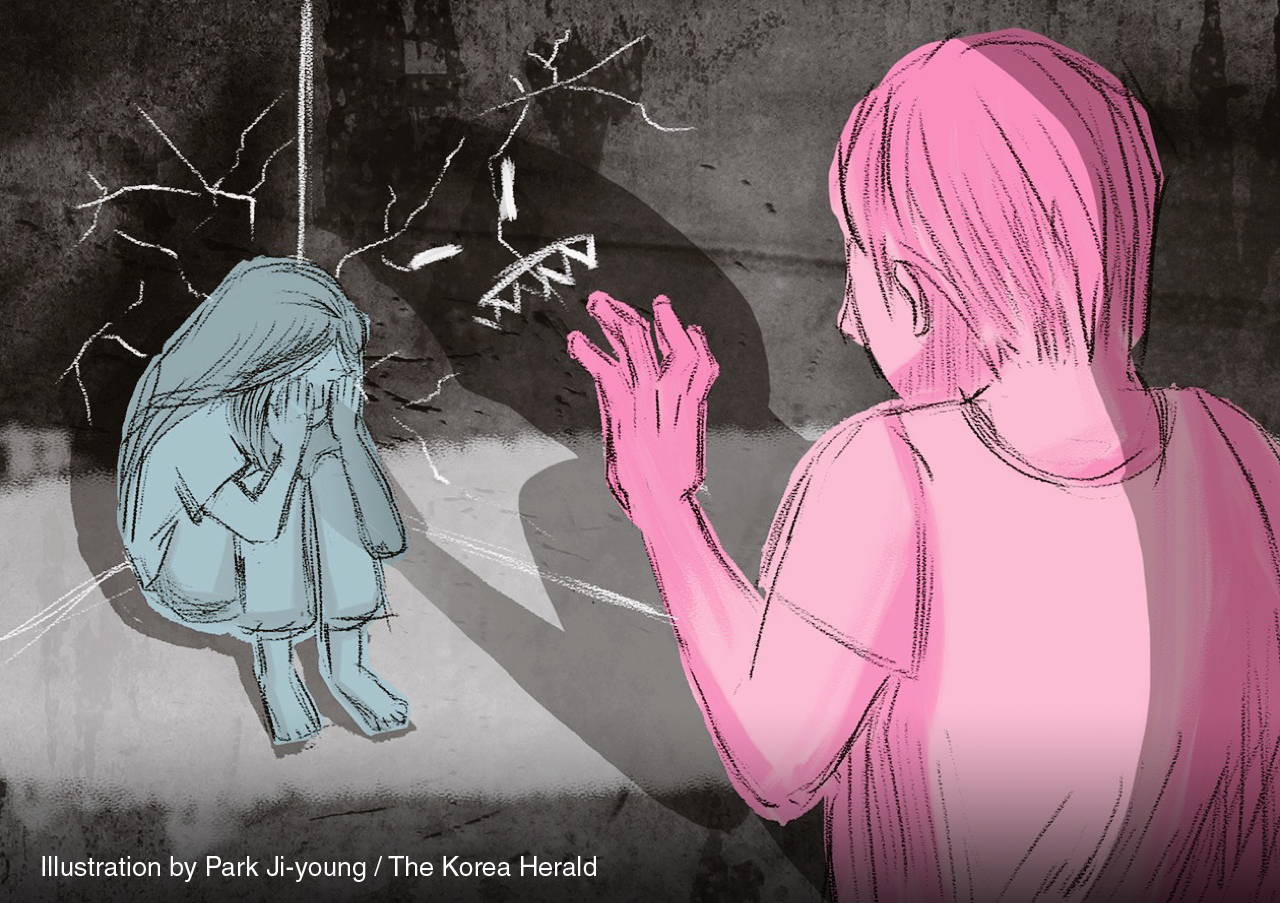
South Korea is considering life imprisonment without parole for the most serious violent offenders and tougher restrictions on suspected stalkers, as the government faces mounting pressure to protect victims of stalking and relationship-based violence.
The presidential office said Monday it is reviewing a series of measures, including longer restraining orders, expanded surveillance and stronger protection for victims, following a string of killings that exposed gaps in the country's existing safeguards.
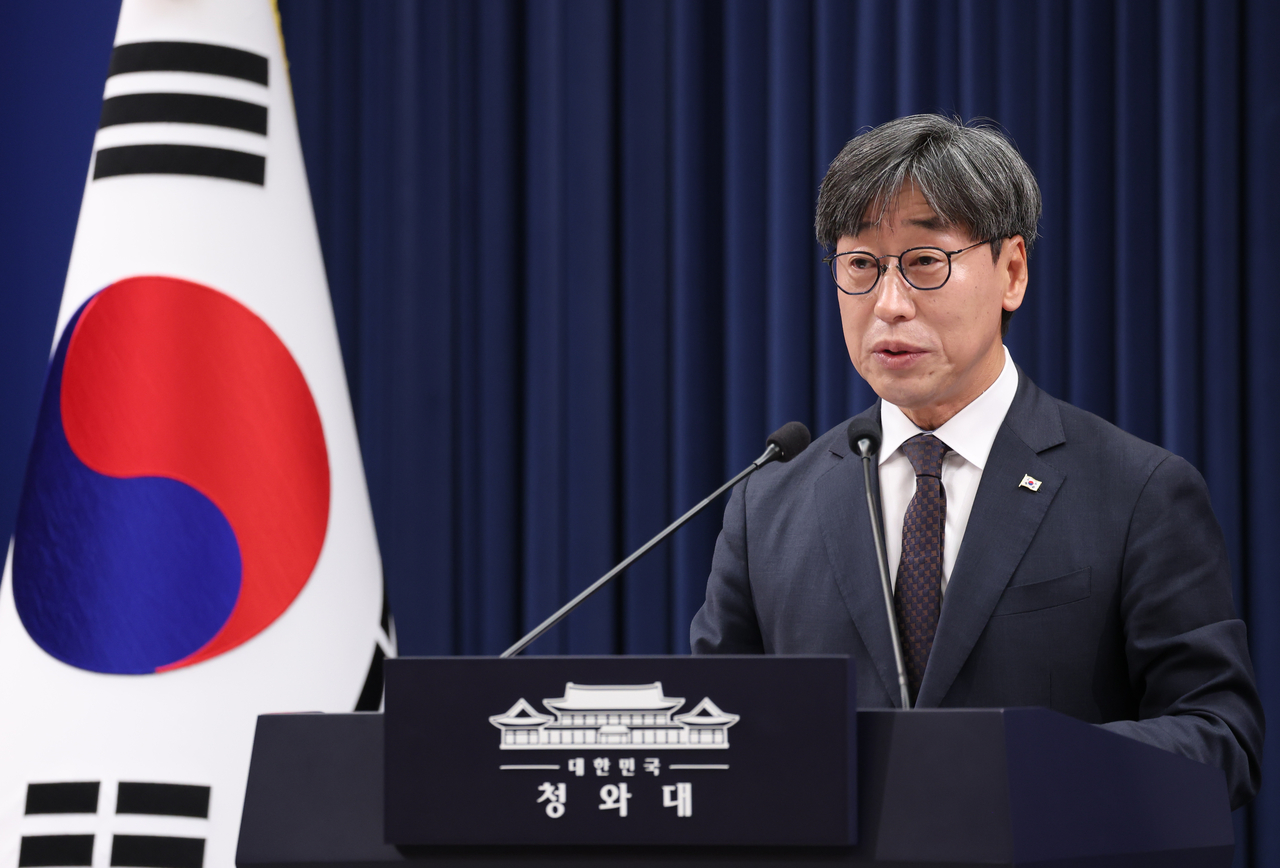
"Extending the duration of restraining orders against stalking suspects and introducing life imprisonment without parole to permanently isolate dangerous criminals from society are under review," presidential spokesperson Kim Sung-wan said at a briefing.
The government is also considering providing private security personnel to protect victims and installing more surveillance cameras in areas where they face potential threats.
A pan-governmental task force will be established to develop comprehensive measures against violent crimes, including a roadmap for introducing life sentences without parole.
Under current Korean law, prisoners serving life sentences become eligible for parole after at least 20 years, although release is not automatic and requires authorities to determine that the inmate meets the relevant conditions.
The proposed changes follow the presidential office's Nov. 15 announcement of a broader public safety initiative aimed at strengthening crime prevention and victim protection.
Cheong Wa Dae plans to hold weekly briefings through the end of the year to report on the government's progress and outline additional measures.
The government is also continuing special crackdowns on illegal private lending, unlawful leaflet distribution, cyber sexual violence and online gambling, Kim said.
Stalking protections under scrutiny
The announcement comes ahead of the International Day for the Elimination of Violence Against Women on Wednesday, with the presidential office focusing this week's public safety efforts on crimes against women and other vulnerable groups.
Particular attention is being given to relationship-based crimes, including stalking, dating violence and domestic abuse, amid growing concerns that existing protective measures have failed to prevent repeat attacks.
In one case on March 14, a 27-year-old woman was allegedly killed by a 44-year-old man identified as Kim Hoon, despite a restraining order imposed on him over repeated stalking.
The victim had reportedly contacted police six times about the man and called for help shortly before the fatal attack.
In another case, a 43-year-old man is under investigation for allegedly strangling his former girlfriend to death after she had reported him to police for stalking.
The cases have intensified scrutiny of the effectiveness of restraining orders and other preventive measures.
Under the current system, police can seek court approval to prohibit suspected stalkers from approaching or contacting victims, impose electronic monitoring or place suspects in temporary detention.
However, a National Assembly Research Service report released in April highlighted a substantial gap between police requests for protective measures and court approvals.
In 2025, police requested electronic monitoring of stalking suspects in 858 cases, but courts approved only 318, or about 37 percent.
Courts also granted just 501 of 1,684 requests for temporary detention, an approval rate of roughly 30 percent.
"Police requests for anti-stalking measures are increasing, but the courts' approval rate remains low, limiting the effective use of restrictive measures against stalkers," the report said.
A separate 2024 study commissioned by the Supreme Prosecutors' Office identified additional weaknesses, including difficulties in monitoring victims around the clock and maintaining protection after restraining orders expire.
The study also found that authorities often struggle to determine when intervention is warranted, potentially delaying preventive action.
In a recent case, a man in his 60s admitted to killing his former girlfriend in October shortly after a restraining order against him expired following the victim's withdrawal of her complaint.
The Justice Ministry has also been pursuing amendments to the anti-stalking law, announcing on Nov. 3 that it would seek changes to allow authorities to intervene earlier, before threatening behavior escalates into serious physical violence.
The proposed reforms would expand the government's ability to respond to stalking threats before they turn deadly, although questions remain over how quickly the measures could be implemented and whether they would address existing enforcement gaps.
minsikyoon@heraldcorp.com