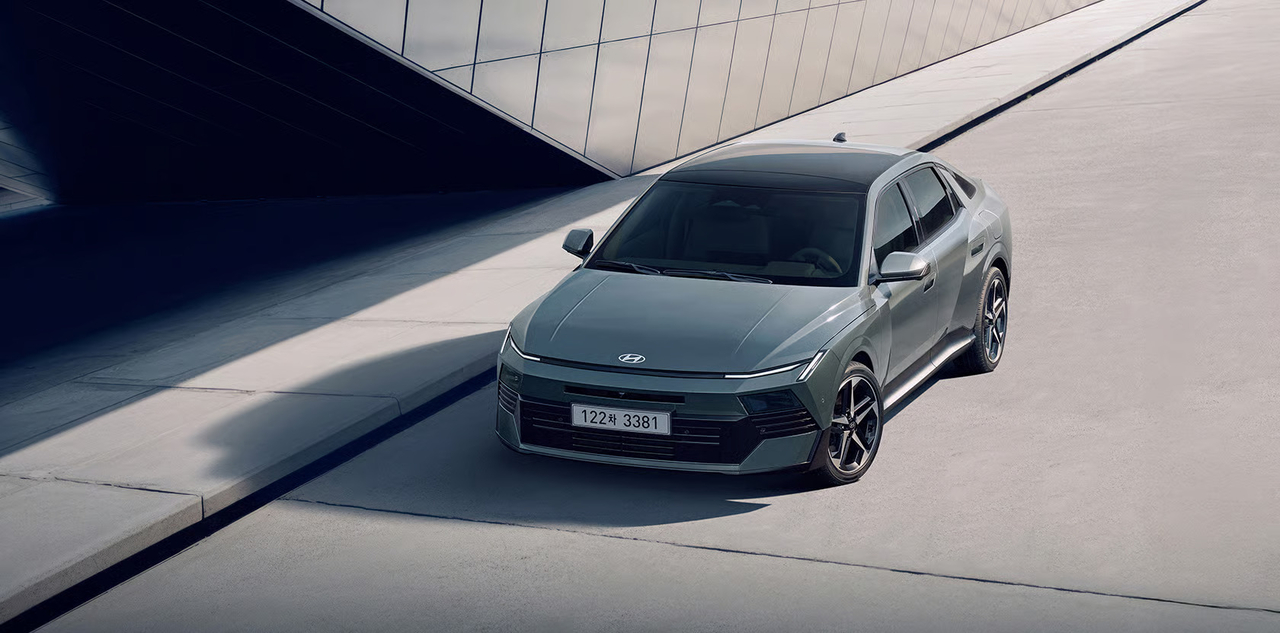
Hyundai Motor’s latest fully redesigned compact lineup is witnessing sharply divergent sales in the South Korean market.
The all-new Avante sedan is struggling to gather momentum after consumers criticized steep price hikes, but the revamped Tucson compact SUV is pushing ahead, bolstered by competitive pricing and upgraded features.
According to industry sources on Monday, domestic sales of the new Avante peaked at 7,305 units in September — following an August debut of 1,462 units — before dropping to 5,730 units last month.
In contrast, the previous model logged consecutive increases from 8,249 units at its 2020 launch to 9,282 in May and 10,875 in June.
Industry insiders say such an early slump is unusual — as full-change models typically enjoy sustained buzz and rising volumes for months after debut — pointing to the Avante’s aggressive price increases as a key driver behind the slowdown.
Starting at 23.98 million won ($18,000) for the gasoline trim — a 16 percent jump over its predecessor — and 30.42 million won for the hybrid variant, the top-tier trim easily surpasses 40 million won.
Hyundai Motor’s labor union sales committee recently criticized the removal of standard convenience features from Avante’s entry-level trims, noting that a digital gauge cluster now requires a 350,000 won charge and a surround-view monitor is restricted to an 800,000 won option for the highest trim. As a result, consumers who were considering base models must pay an extra 8.34 million won to access those features.
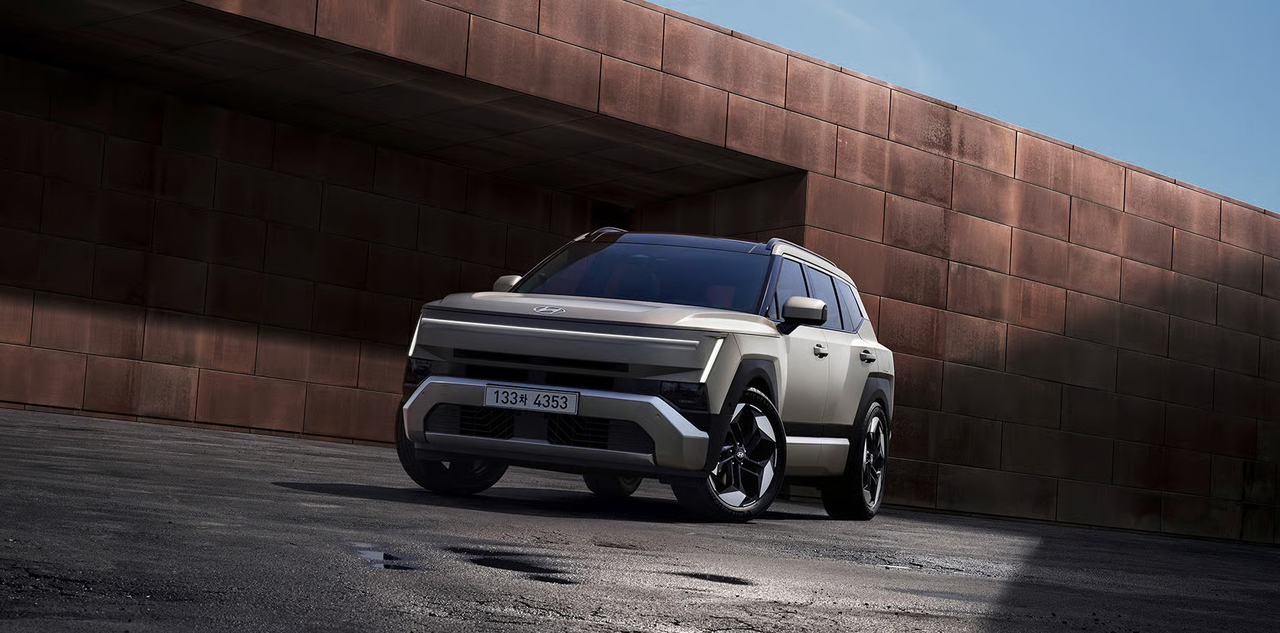
In contrast, the newly released Tucson has maintained its sales momentum since launching in October, buoyed by strategic pricing — a lesson learned from the Avante’s earlier struggles.
The All-New Tucson logged 15,045 pre-orders on its first day — an all-time high for the SUV and a 38.7 percent increase over the previous generation.
Hyundai delayed pricing announcements by two months following its August reveal, ultimately setting the entry price at 31.4 million won, a modest increase of 2.92 million won.
Notably, high-demand features — spanning surround-view monitors, smart cruise control, the next-generation “Pleos Connect” infotainment system and “Gleo AI” agent — are included as standard across the entire lineup.
“As (Hyundai Motor) CEO Jose Munoz pointed out, several external factors drove up the price, including surging raw material costs. Loading excessive specs onto an entry-level vehicle also certainly didn’t help,” said Kim Pil-su, an automotive engineering professor at Daelim University.
“However, the union can’t simply blame management for the pricing backlash when production costs include labor,” Kim noted, adding that prolonged strikes ahead of the Avante’s rollout and recurring demands for higher wages left Hyundai with little choice but to raise prices to protect profitability.
hyejin2@heraldcorp.com