Former LG executive argues that empowering women is key to corporate competitiveness
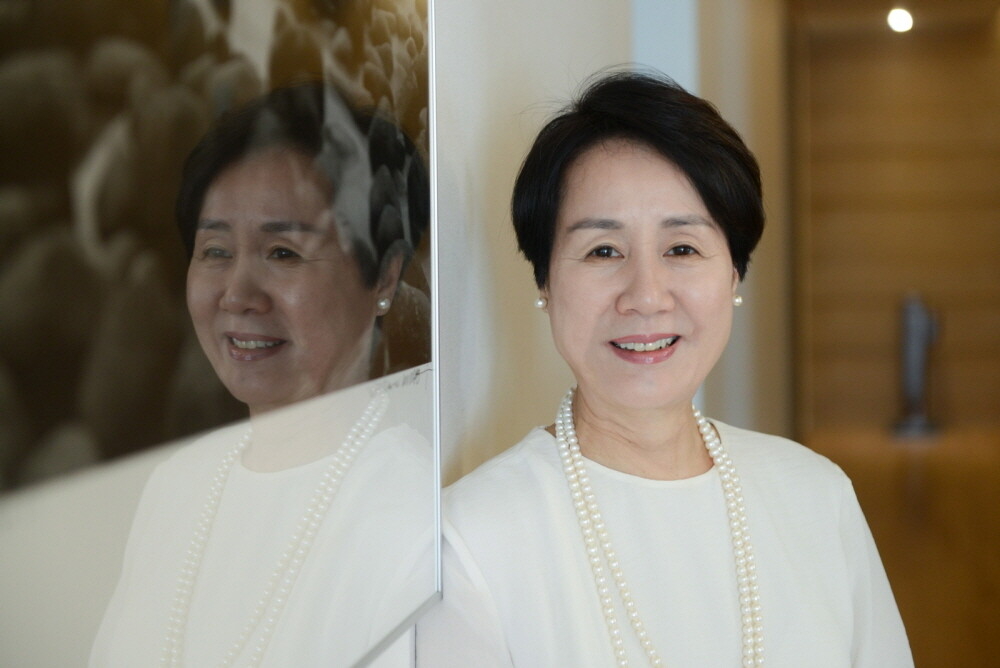
The title of former LG Group executive Yun Yuh-soon's latest book, "The Time to Awaken Half" (a direct translation of its Korean title), carries a message that goes beyond gender equality: Organizations that fail to recognize and develop women's potential waste half their talent.
Yun, 71, is best known as LG Group's first female executive. She joined LG Academy, the group's human resources development center, in 1995 at age 40 and became its first female executive in 2000. She later served as president of LG Arts Center and now works as a leadership coach and lecturer, advising corporate executives.
Drawing on decades of experience in South Korea's male-dominated corporate world, Yun argues that promoting more women to leadership positions is not merely a matter of fairness but of organizational competitiveness — something companies can no longer afford to overlook.
Her latest book was partly inspired by the response to her previous work, "Winning Gracefully." Following its publication and her appearance on the popular TV talk show "You Quiz on the Block," Yun received an outpouring of messages from women who said her experiences and advice had given them strength.
In the preface to her new book, Yun recalls being struck by the loneliness expressed in those messages and the lack of encouragement many working women appeared to have experienced.
"It seemed that no one had ever been there to pat them on the back and say, 'You're doing a really good job!'" she writes.
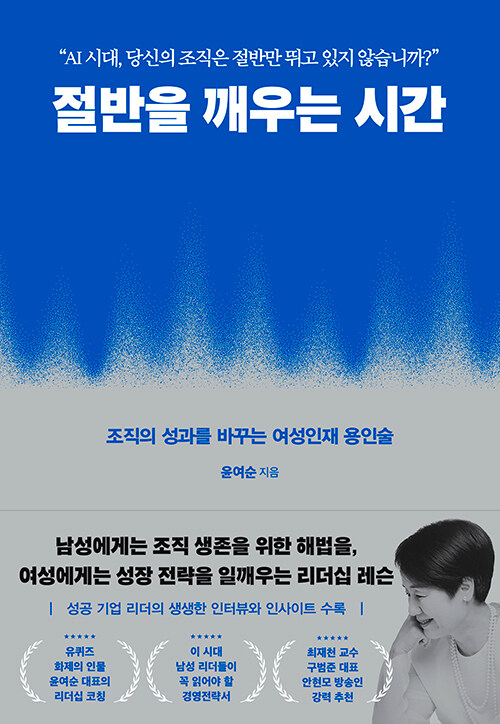
The experience prompted her to make more time for younger women in the workplace. But she also came to believe that the conversation needed to extend beyond women themselves.
Women account for just 20 to 30 percent of employees in many organizations, while their share of executive positions often remains between 3 and 5 percent, Yun writes. Despite the high educational attainment of Korean women, their representation declines sharply as they move up the corporate ladder.
The figures reflect a persistent gap. According to the latest report released by the Ministry of Gender Equality and Family on Sept. 29, women accounted for just 7.4 percent of executives at 3,240 companies subject to mandatory business disclosures last year. South Korea also ranked No. 28 out of 29 countries in The Economist's 2026 Glass Ceiling Index.
Yun questions why a country that has made such remarkable strides in education has failed to translate women's educational achievements into leadership opportunities. Social expectations surrounding motherhood and children's education, she argues, continue to push women to set their own careers aside.
But Yun is equally critical of organizations that place the burden of change on women. Rather than telling women to work harder, adapt to existing corporate cultures or overcome barriers on their own, she urges male leaders to reconsider how they identify and develop talent.
"How long should we keep telling working women that they can overcome difficulties if they just persevere?" she asks in the preface. "To men, I want to say, 'Let's move forward together.'"
The book examines how unconscious bias, promotion systems, informal networks and performance evaluations can limit women's career growth. It challenges assumptions that women are too emotional or lack leadership ability, while urging companies to give employees of all genders equal opportunities to take on challenging roles, make mistakes and gain leadership experience.
For executives, Yun offers practical advice on creating an environment in which women can grow and build long-term careers, rather than treating them as employees who need special consideration. She also encourages women to develop strategic thinking, communication skills, professional networks and political awareness alongside their technical expertise.
The book includes interviews with more than 20 executives and employees from large corporations, small- and medium-sized businesses and startups, offering perspectives from both women and men on the obstacles to change and what it takes to overcome them.
For Yun, the urgency is growing as companies confront artificial intelligence, a declining birthrate and intensifying competition for talent.
"Can an organization that fails to fully utilize half of its talent remain as competitive as it once was?" she asks.
Giving women equal opportunities, she argues, is not an act of generosity. It is simply a rational business decision.
hwangdh@heraldcorp.com