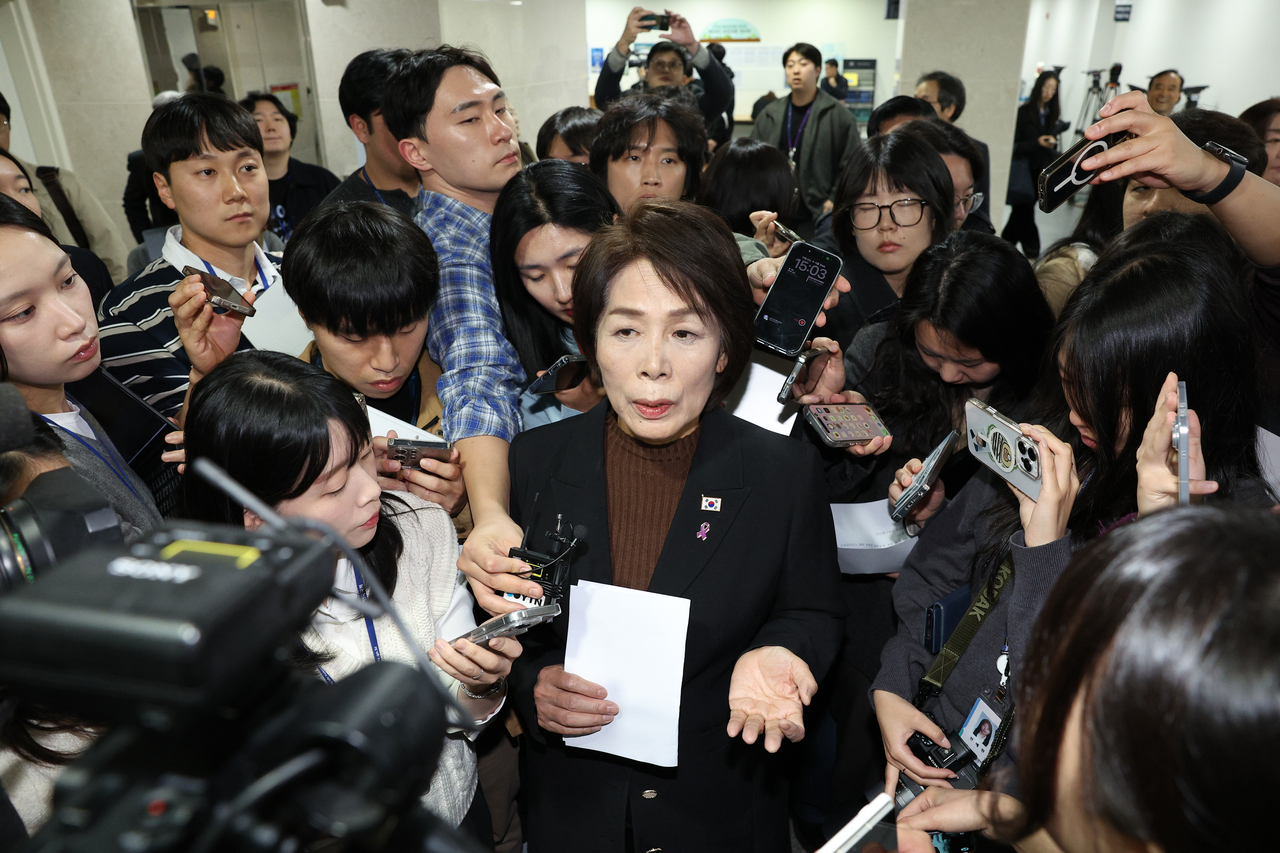
Ruling Democratic Party of Korea Rep. Choi Min-hee has sparked yet another controversy within the country's political arena after her latest run-in with the media.
On Wednesday, it was revealed that Choi referred to photojournalists as a "pack of hyenas" who were only trying to capture "discord (within the party)." The comments accompanied a photograph of a group of photojournalists she shared in a group chat with her supporters.
Although Choi later apologized, the revelation has led to a criminal complaint being filed against her, and criticism from both the main opposition People Power Party and the ruling bloc.
On Thursday, Lee Jong-bae, a former Seoul city councilor of the People Power Party, pressed charges against Choi with police for defamation against media professionals. Lee accused Choi of spreading a false statement about journalists who were on duty.
Choi's private remarks targeted those who were authorized to enter the National Assembly as part of its press corps and on duty during the ruling party lawmakers' general assembly. This prompted a strong backlash from representatives of South Korean media.
The Korea Press Photographers' Association unveiled its own plans to press charges against Choi on Thursday.
The advocacy group said in a statement Wednesday that dismissing their work as efforts to incite discord and mocking the reporters by comparing them to animals is "an explicit insult to journalists."
It added that the ruling party lawmaker's comment could "foster a negative perception of the press and risk a chilling effect on press freedom."
"While criticism of the media is a matter of freedom, an insult to journalists and baseless accusations against them cannot be justified," the statement read.
"Photojournalists do not exist to capture images that suit the preferences of politicians. They exist to monitor powerful figures through the lens of the public and to document history."
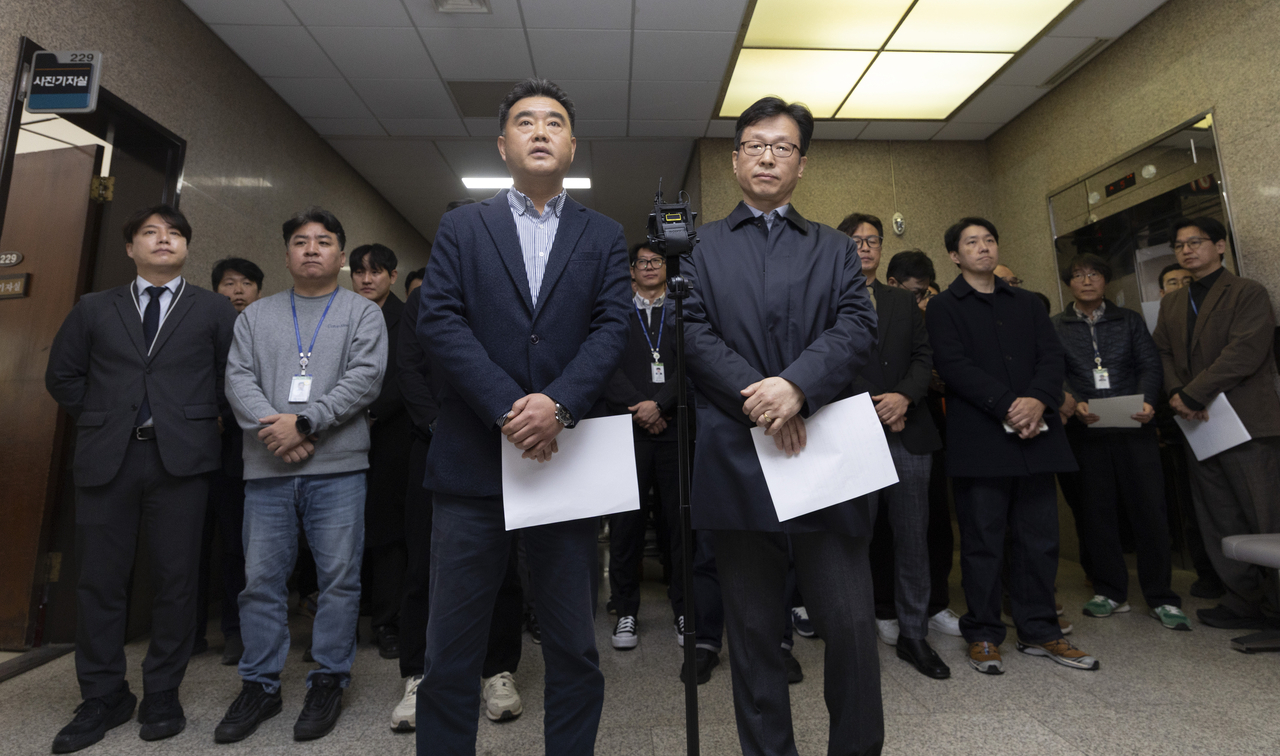
Similarly, the Korean Video Journalists Association stated Wednesday that the leaked chat "reveals an intense hostility toward the press, ... which serves as the eyes and ears of the public."
Choi's comments sparked criticism from the main opposition People Power Party, and also from within the ruling bloc.
Main opposition leader Rep. Jeong Jeom-sig said on Facebook Wednesday that the leaked message is an example of the liberal rival's "mediaphobia." Rep. Kim Woo-young of the Democratic Party said Choi's comment contradicts her past as an advocate of media freedom and independence.
On Thursday, Rep. Kim Min-seok, chair of the Democratic Party, extended an apology to the public on behalf of his party.
"Even if one might not be happy with (the media's) coverage, they exist on behalf of the people," Kim said in an interview with the political party's own broadcast.
"From the perspective of ordinary people, a use of respectful language is encouraged. In that sense, our party feels sorry (for her remarks)."
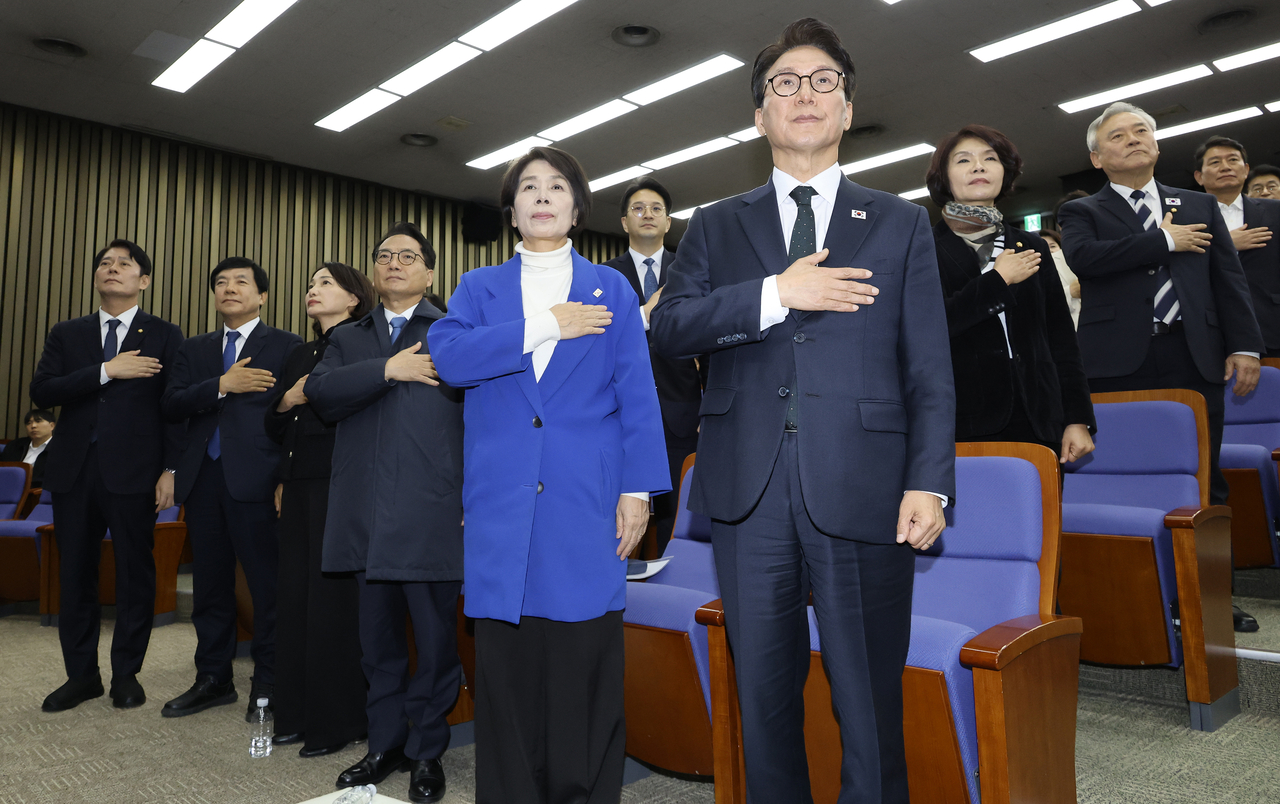
Choi has had a history of being confrontational with news outlets, often attacking them for their bias.
In August, when she was running for a supreme council seat, she came under fire for a physical encounter between her staff and videographers of the left-leaning outlet OhMyTV. Choi has accused the outlet of unfairly endorsing the rival faction of the party.
Also in August, Choi blasted South Korean news service Newsis accusing the outlet of biased reporting. She referred to a leaked Telegram message from Democratic Party Rep. Lee Un-ju, which showed that the party had been reluctant to push ahead with the merger with the minor liberal Rebuilding Korea Party, of which Choi's faction was in favor.
Choi then called for Newsis to reveal who was the counterpart in the leaked chat, claiming that otherwise it would amount to the outlet interferring in the party election.
On the other hand, Choi had openly endorsed a liberal-leaning podcast hosted by Kim Ou-joon, who has over 2.2 million subscribers on his YouTube channel.
For example, Choi in July hailed Kim's podcast as a barometer for the progressive camp's opinions. Choi in 2025 was also critical of a fellow party lawmaker Rep. Kwak Sang-eon's argument that the political podcast "was exerting an excessive influence on the national politics."
Choi's show of hostility toward legacy media "appears to be a strategy aimed at maintaining an image of a hardliner, in hopes that the level of support from her staunch supporters would be kept afloat," political commentator Lee Jong-hoon told The Korea Herald.
consnow@heraldcorp.com