Association says K-pop’s trainee system reflects distinct industry model that should not be judged solely through Western lens
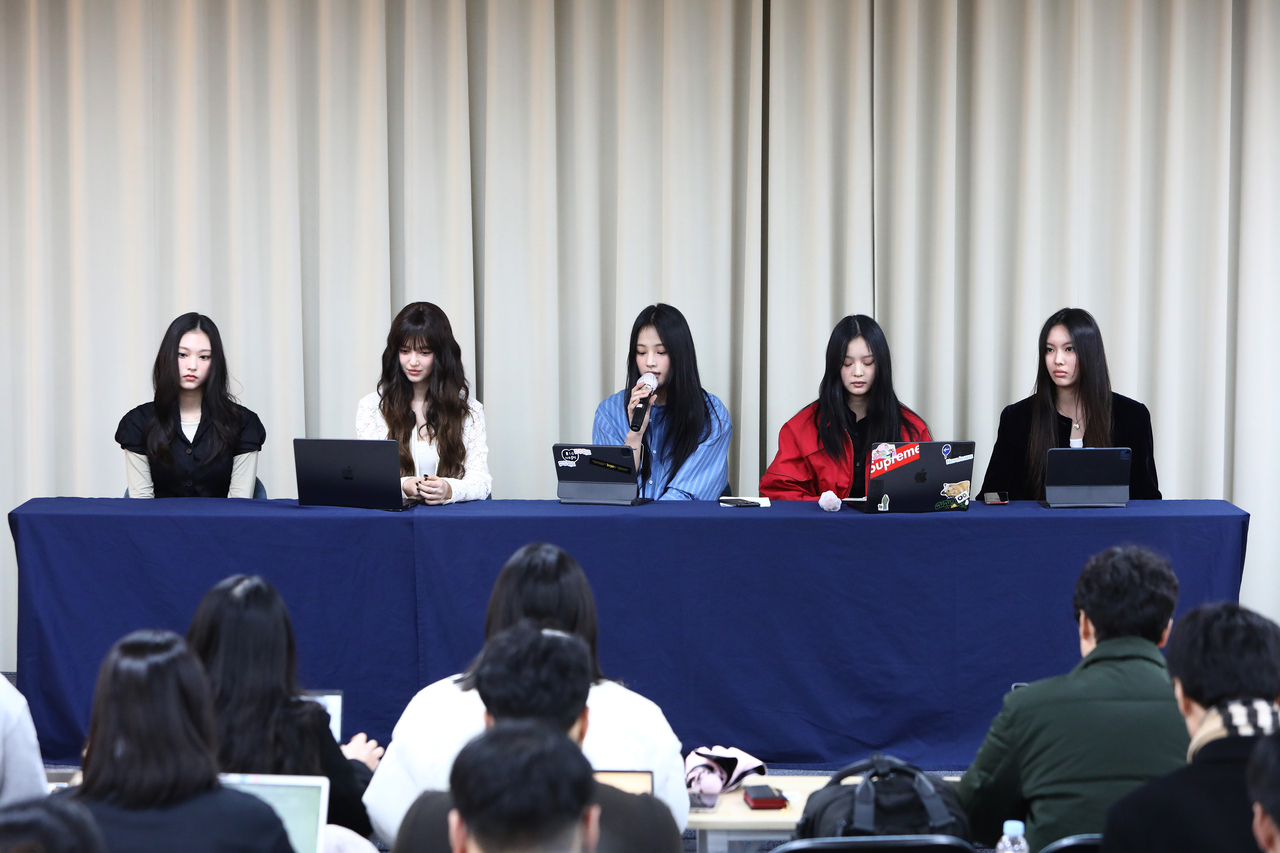
A major K-pop industry association has criticized a recent New York Times report examining NewJeans’ exclusive contract, arguing that the article unfairly generalized a dispute involving one group into a broader indictment of the K-pop industry.
The Korea Popmusic Industry Association said Monday that it was “deeply concerned” by the report, which analyzed the contract signed between NewJeans and Ador when the bandmates were minors.
The association, whose members include major entertainment companies such as Hybe, SM, JYP and YG, argued that the report did not sufficiently consider Korea’s legal framework governing entertainment contracts or the characteristics of the K-pop trainee system.
The New York Times reported Thursday that the contract contained a number of provisions that legal experts viewed as unfavorable to the signees, including the absence of clauses specifically protecting minors’ rights to health, education, sleep and rest.
According to the report, the contract also addressed cosmetic procedure costs, restrictions on their conduct, penalty calculations for contract violations and the use of their names, likenesses and voices after the contract expires. The five NewJeans bandmates were aged between 14 and 17 when the agreement was signed in 2022.
The NYT cited five legal experts who reviewed the agreement, with one Seoul-based entertainment lawyer describing it as “unusually aggressive.” Hybe disputed several aspects of the report, saying the company had complied with child-protection laws and had not forced them to leave school or undergo cosmetic procedures.
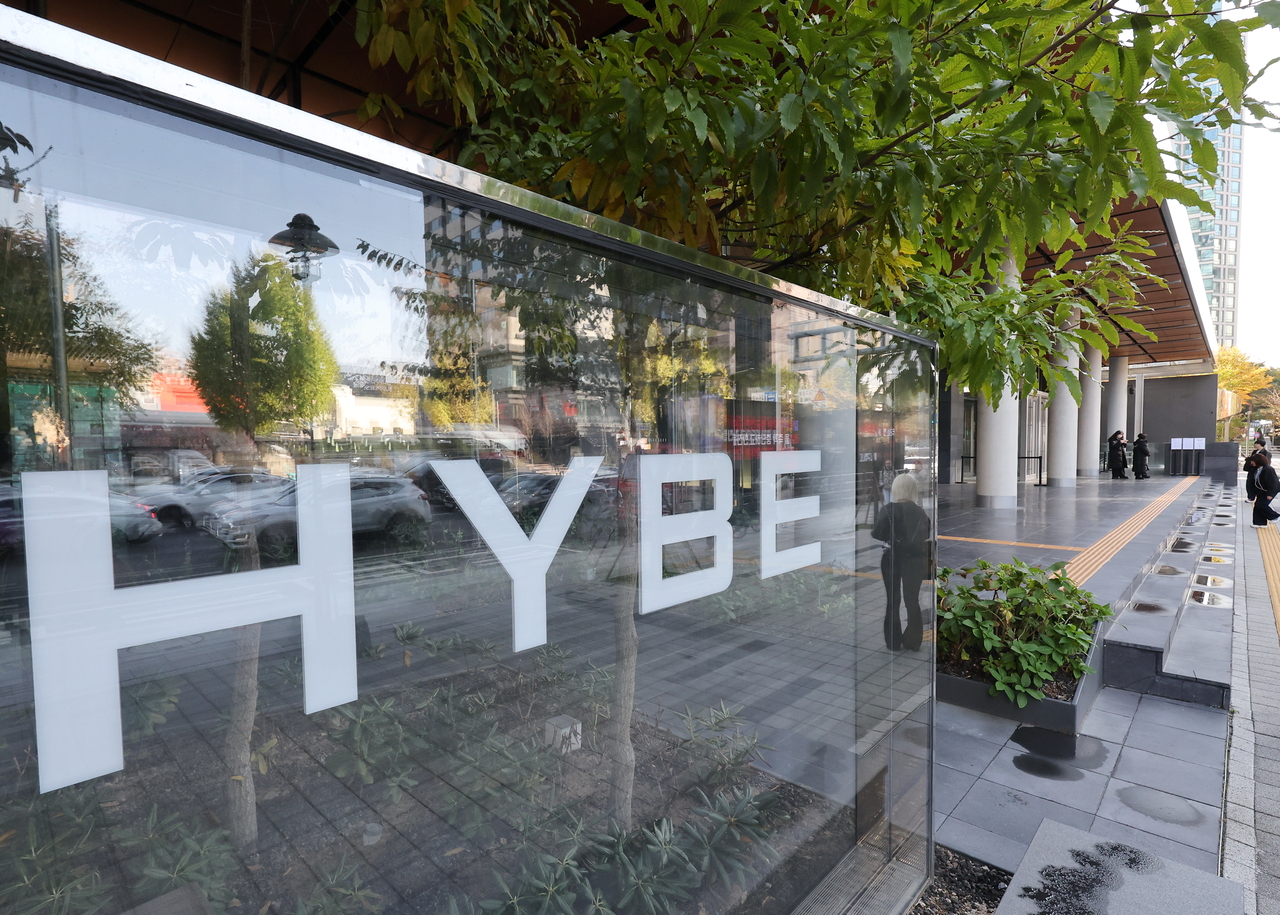
In its statement Monday, the KPIA said the fairness and legality of an exclusive contract should not be judged based on individual clauses alone, but together with supplementary agreements, relevant laws, the circumstances in which the contract was signed and how it was actually implemented.
It also pointed to Korea’s standard contract for pop culture artists and the Popular Culture and Arts Industry Development Act, saying both were designed to balance artists’ rights with the legitimate interests of agencies that invest heavily in training and developing performers.
“Protecting artists’ rights and respecting producers’ legitimate rights are not opposing values,” the association said.
The group added that protections for underage trainees have continued to expand, citing supplementary agreements covering privacy and dignity as well as sleep, education and rest, along with the designation of youth-protection officers at major entertainment companies.
It defended the K-pop trainee system itself, arguing it should not be reduced to being labeled as “oppressive control.”
“The K-pop incubating system is a talent-development structure with its own characteristics and competitiveness that cannot be judged solely through a Western perspective,” the association said.
The group also expressed concern that details from a contract involved in an ongoing legal dispute had been disclosed overseas despite confidentiality obligations between the parties.

The recent New York Times report revisited the contract that became central to NewJeans’ dispute with Ador, which began in 2024. Hanni testified at a parliamentary audit in October that year on alleged unfair treatment, before all five bandmates announced the following month that they were terminating their contracts with Ador.
In March 2025, the court granted the agency an injunction restricting their independent activities, with the Seoul Central District Court upholding the validity of their contracts in October 2025. Haerin, Hyein and Hanni subsequently returned to Ador, while Minji expressed her intention to return and remains in discussions with the agency.
Danielle, meanwhile, is no longer under contract with Ador after the agency terminated her agreement in December 2025. She remains in a separate legal dispute with the company.
lee.jungjoo@heraldcorp.com