No new US restrictions yet, as questions emerge over AI supply chain safeguards
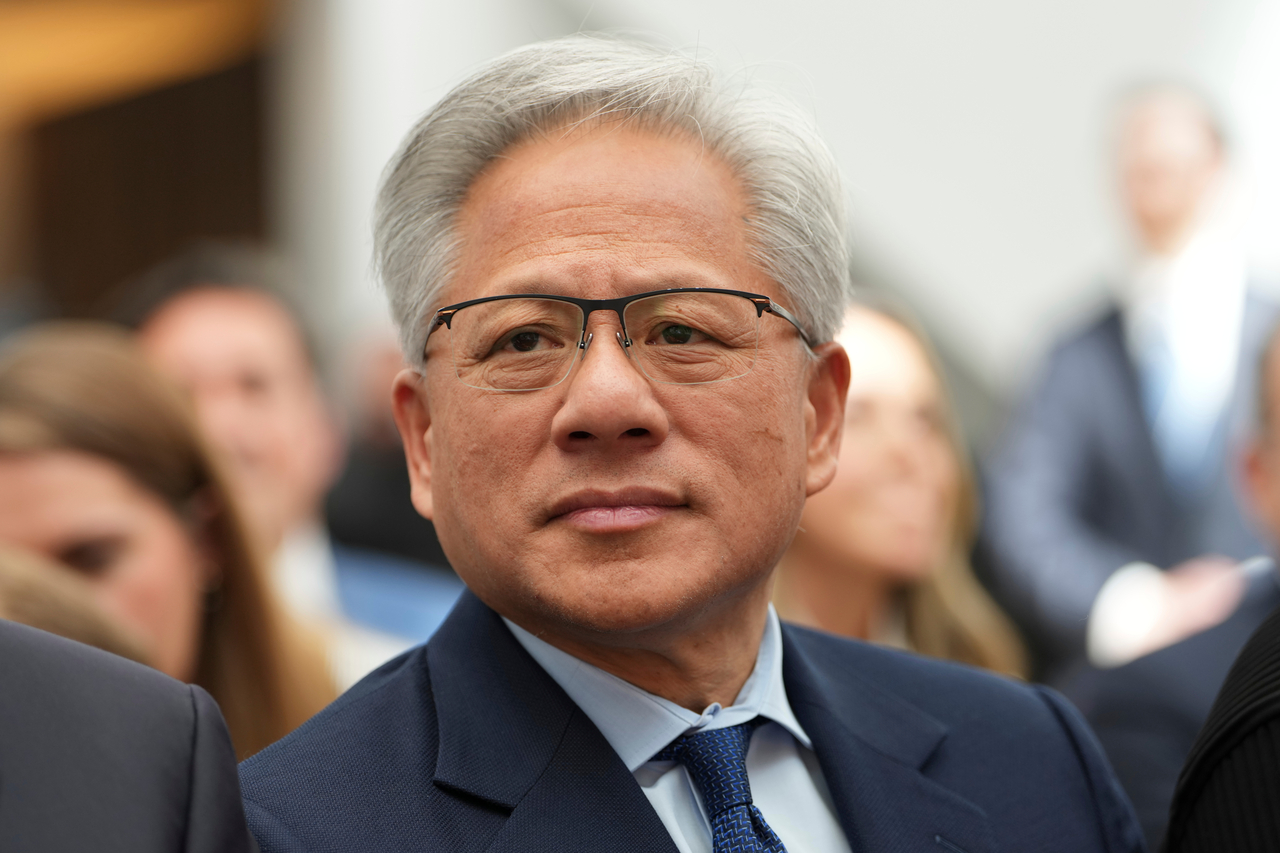
South Korean chipmakers Samsung Electronics and SK hynix could face tighter export compliance requirements if US authorities step up scrutiny of Nvidia's AI chip shipments to China, following reports that CEO Jensen Huang had a personal relationship with a woman suspected of ties to Chinese intelligence.
The controversy has raised questions about Nvidia's safeguards against potential espionage and the diversion of restricted AI chips to China. Any additional US export controls could affect Korean suppliers of high-bandwidth memory, or HBM, a critical component of Nvidia's AI accelerators.
No new restrictions have yet been announced in connection with the case.
Nvidia faces scrutiny over intelligence concerns
The controversy centers on Alice Huang, a Chinese businesswoman and former executive at Singapore-based data center company Megaspeed, which US authorities began investigating in 2024 over suspicions that it diverted restricted Nvidia chips to China.
The New York Times reported that US investigators suspected Alice Huang had been recruited by Chinese intelligence. That suspicion has not been established as fact, and Nvidia previously characterized the contacts as routine business dealings.
In an email to employees Sunday, Jensen Huang acknowledged an extramarital relationship.
"I was unfaithful to my wife," he wrote, apologizing to his family and pledging to cooperate with an internal investigation.
Nvidia's independent directors, assisted by outside counsel, will examine whether Jensen Huang was targeted by a foreign intelligence operation.
The board said it had no reason to believe national security or company secrets had been compromised and expressed confidence in the CEO, who remains in his position.
Three US House committee chairs have requested a closed-door briefing on Nov. 18 concerning his contacts with Alice Huang and Nvidia's safeguards against espionage.
Korean memory makers face potential compliance burden
For Samsung and SK hynix, the immediate concern is whether the investigation could prompt Washington to tighten oversight of AI chip exports through third countries.
Stricter checks could require additional verification of end users, intended applications and potential reexports, increasing compliance costs and potentially delaying shipments across the AI semiconductor supply chain.
Any restrictions that reduce Nvidia's ability to sell accelerators to China could also indirectly affect demand for the HBM used in those products. The actual impact on Korean suppliers would depend on the scope of any measures and whether demand from other markets offset lost sales.
At the same time, diversification in the global AI chip market could create opportunities for Korean memory makers.
Google, Amazon, Microsoft and Meta are developing proprietary AI processors alongside their use of Nvidia GPUs. Growing adoption of these chips could expand the customer base for HBM and customized memory, reducing reliance on individual chip designers.
Korean AI chip developers, including Rebellions, could also benefit from broader adoption of specialized processors for AI inference, although any such gains would depend on commercial demand rather than the Nvidia investigation itself.
"If the US tightens chip controls on China, Korean companies will have to do more to track where their products end up and how they get there," an industry official said.
"In the longer run, as big tech firms design more of their own AI chips, Korean memory makers could gain more HBM customers. The industry needs to manage the short-term compliance burden without losing sight of that opportunity."
Seoul expects Nvidia GPU deliveries to continue
The South Korean government said Monday it expects Nvidia GPU deliveries under existing contracts to proceed as scheduled despite the controversy.
"We expect (deliveries) to proceed without disruption," Vice Science Minister Ryu Je-myung told a parliamentary budget committee, adding that the impact of the investigation into Nvidia remains uncertain.
Ryu said 10,000 GPUs purchased through last year's supplementary budget were already in use, while deliveries under this year's orders were underway.
The government purchases the processors through server suppliers such as Hewlett Packard rather than directly from Nvidia as part of its efforts to expand domestic AI computing capacity.
Separately, Madison Huang, Jensen Huang's daughter and a senior Nvidia executive overseeing product marketing for robotics and Omniverse, canceled a planned visit to Seoul that included meetings with government officials and Korean AI chipmaker Rebellions.
Nvidia AI Day Seoul is proceeding Monday and Tuesday as scheduled, with Nvidia Vice President Deepu Talla replacing her at a startup partnership forum.
herim@heraldcorp.com