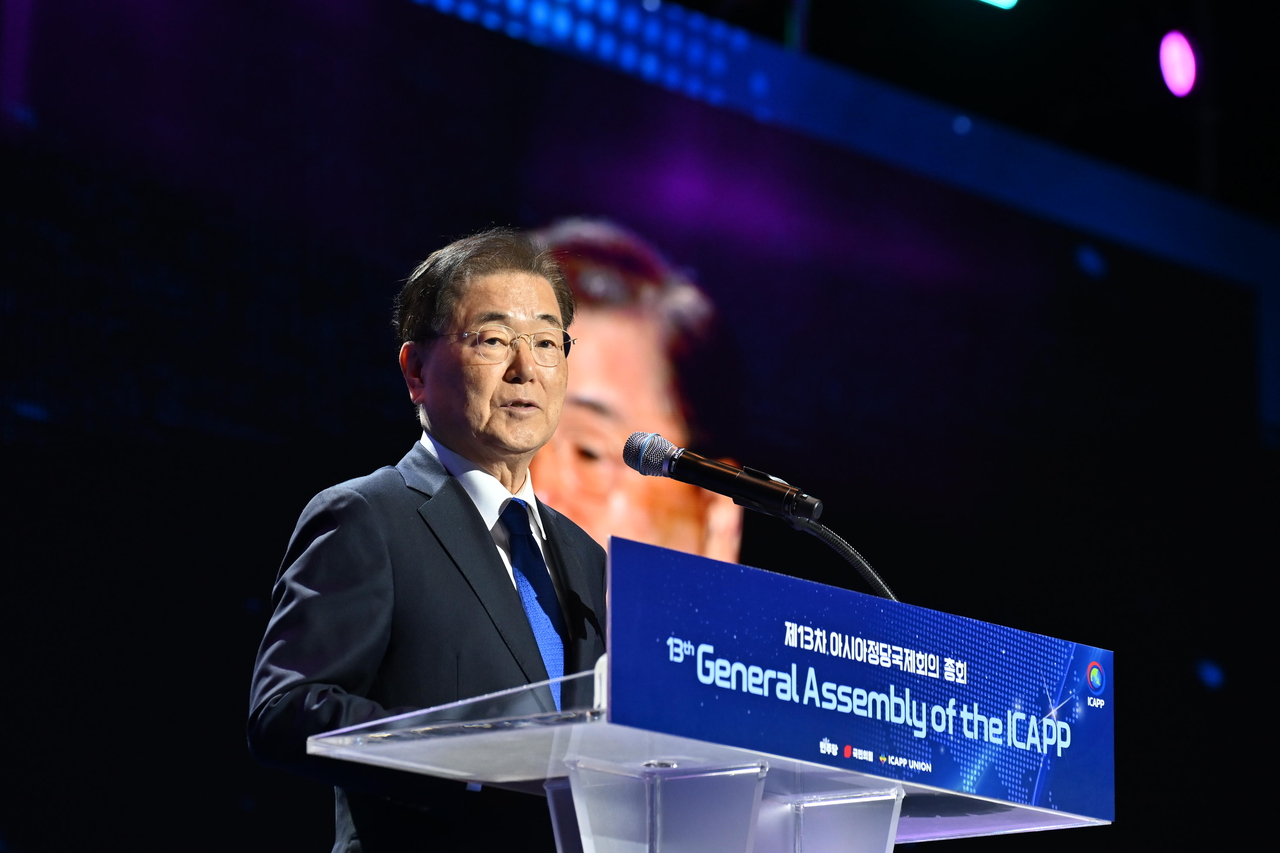
Vietnam will take the baton from Seoul to host the next gathering of ruling and opposition parties from across Asia and Oceania in 2028.
The International Conference of Asian Political Parties, a forum bringing together political parties regardless of ideology or political system, concluded two days of plenary sessions at its 13th General Assembly on Friday.
The assembly drew representatives of 83 political parties from 36 countries, according to organizers. Jointly hosted by South Korea's ruling Democratic Party of Korea and the main opposition People Power Party, it marked the first time in 20 years that Seoul had hosted the gathering, following the fourth General Assembly in 2006.
Held under the theme “Rebuilding Trust in a Transforming World,” the assembly concluded with the unanimous adoption of the Seoul Declaration, addressing four major challenges: growing geopolitical tensions, declining public trust in democratic governance, the rapid advancement of artificial intelligence and the accelerating climate crisis.
The declaration called for peaceful conflict resolution, responsible AI development, stronger climate action and greater cooperation across political and ideological divides.
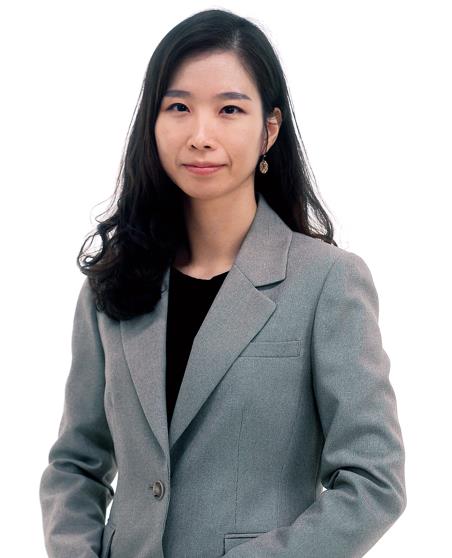
“I wish to emphasize that the adoption of the Seoul Declaration does not mean that all participating parties agree on every issue,” Chung Eui-yong, chairperson of the ICAPP Standing Committee, said Friday at a press conference following the closing ceremony at The Shilla Seoul.
“Indeed, they often hold widely differing views. Its significance lies precisely in their willingness to look beyond those differences and identify areas where they can work together.”
Chung, who previously served as foreign minister and national security adviser under former President Moon Jae-in, called the willingness to find common ground “the most important message we wish to convey from Seoul.”
Chung also stressed that restoring trust required more than declarations, calling for sustained dialogue, mutual respect and concrete action to turn shared commitments into practical results.
On peace and security, Chung drew particular attention to the declaration's rejection of war as a means of coercion.
“The one sentence you should take note of in the Seoul Declaration is that we agreed to reject war as an instrument of coercion,” Chung said. “That simple paragraph, I think, demonstrates a strong commitment to the peaceful settlement of disputes.”
Against the backdrop of ongoing conflict and suffering in Palestine, Chung further highlighted the historic first participation of an official representative of Palestine's Fatah party in an ICAPP General Assembly, introducing the female Palestinian delegate at the news conference.
Beyond international conflicts, the Seoul Declaration addressed the growing influence of artificial intelligence, recognizing its potential benefits for economic development, health and education while warning of job disruption, privacy risks, misinformation and the misuse of emerging technologies.
“The objective should not be to impede innovation, but to ensure that technological progress remains safe, responsible and human-centered,” it stated.
The declaration called for international cooperation on safeguards for high-risk AI, including transparency, accountability, data protection and meaningful human oversight.
On climate change, the declaration cited catastrophic floods and landslides in Nepal and China in August, warning that the crisis was “no longer a distant threat, but an urgent and escalating reality.”
“Rebuilding trust in confronting the climate crisis requires immediate and concrete action, rather than repeated declarations at international conferences,” it stated, urging developed economies to fulfill their emissions commitments and provide financial and technological assistance to vulnerable countries.
The assembly also welcomed the recent launch of the Inter-Continental Dialogue among Political Parties, an ICAPP initiative aimed at expanding dialogue beyond Asia.
At the closing ceremony, the ICAPP flag and gavel were formally handed over to Vietnam, which will host the 14th General Assembly.
Ngo Le Van, Vietnam's vice minister of foreign affairs, called hosting the assembly both an honor and a responsibility, pledging to work with member parties to strengthen dialogue, solidarity and practical cooperation.
As the baton passed from Seoul to Hanoi, Chung underscored the central message of the Seoul Declaration, which was adopted “at a time when divisions are deepening and international cooperation is increasingly under strain.”
“The Seoul Declaration sends a clear message: Dialogue remains possible, cooperation remains necessary and rebuilding trust must remain our common responsibility,” he said.
dagyumji@heraldcorp.com