The Zainichi activist of documentary 'Horoomon' speaks on a lifetime of fighting discrimination, and why she isn’t done yet
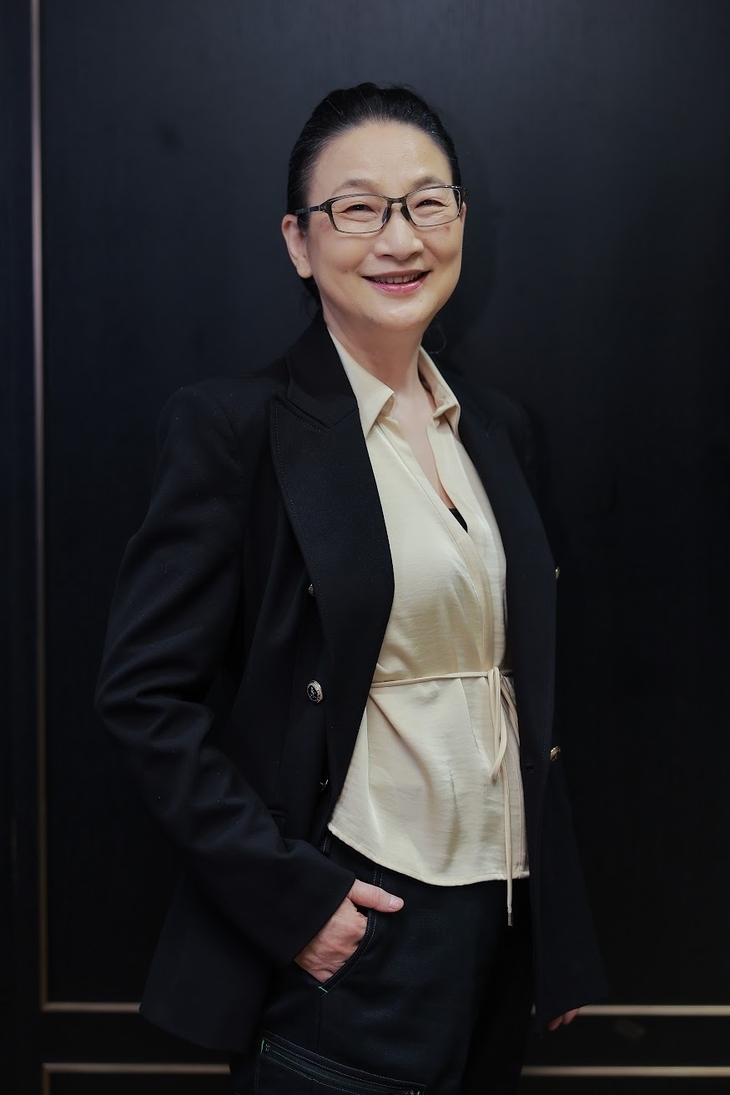
Lately, Shin Sug-ok has found herself to be something of a social media star in Korea.
In the short clip that has now drawn over 10 million views, a right-wing pundit on a late-’90s Japanese talk show argues that the “comfort women,” the women forced into sexual slavery by the Japanese military during World War II, are only after money when they demand an apology.
The woman across from him never raises her voice, but she wastes no time putting him in his place. In the even, courteous tone of a department-store clerk, she chides him for what amounts to a failure of basic human decency. If he doesn’t want to apologize, she says, he doesn’t have to.

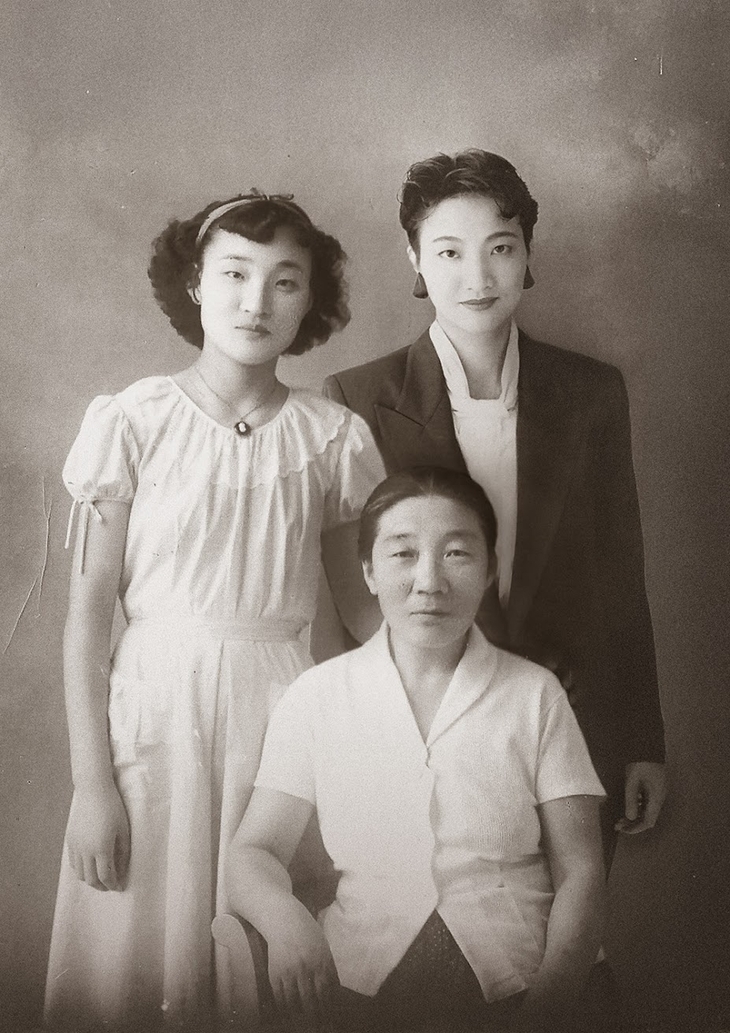
Put back into circulation this fall by the distributor Atnine Film, the viral clip of a younger Shin offers only a glimpse of who she is. Born in 1959 in Tokyo’s Shibuya district, Shin is a third-generation Zainichi, the term for ethnic Koreans whose families settled in Japan during the colonial era. She grew up poor and unruly, the kind of kid who, one teacher predicted, would end up a delinquent. After a stint in modeling, she built a thriving business that ran training programs for Japanese corporations.
Above all, especially now, she is an activist. Work has never been in short supply.
Her first public fight came her way in 2000, when Shintaro Ishihara, Tokyo’s governor at the time, used a racial slur for people from Japan’s former colonies and suggested that they might riot after a major disaster. When Shin led a public protest against the remark, her clients jumped ship almost overnight. She had hoped to stay rich and anonymous; instead, she ended up famous and broke.
“When economic policy fails, discrimination follows,” Shin said at a press conference this week. “Politicians whip it up so that people stop looking at their failures. And it plays just like entertainment.”
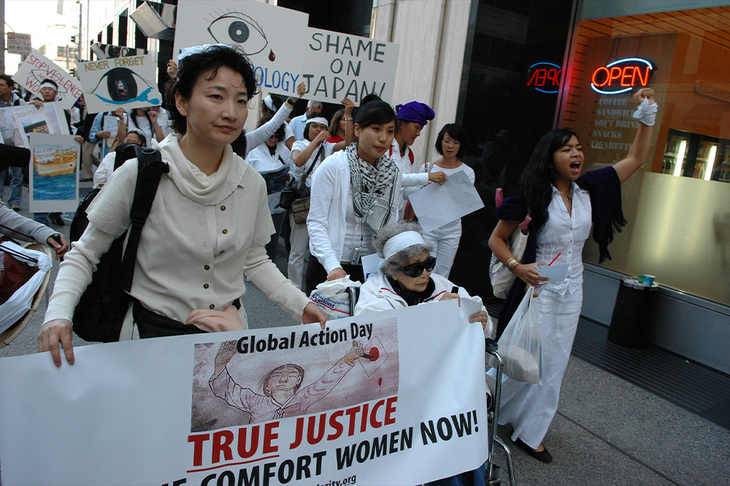
In 2013, when hate marches against ethnic Koreans swept across Japan, Shin founded Norikoe Net, a grassroots network for pushing back against hate speech and racism. In the years since, she has taken up one cause after another, from gender equality and Indigenous rights to the decades-long protests of Okinawans against US military bases on their islands.
It was her support for the Okinawans that brought on the toughest challenge of her life, and the story of how she stood her ground in the years that followed forms the backbone of “Horoomon,” a documentary by Lee Il-ha that opens in Korean theaters on Nov. 11. The title comes from the Japanese word for offal, which some trace back to a phrase for “things thrown away.” These were the cuts that Japanese butchers discarded and Zainichi families learned to cook.
“When you fight someone stronger than you, you lose nine times out of ten,” Shin said Thursday at an office in southern Seoul. “I know because I’ve lost so many times. Going after someone weaker is just bullying. A real fight is always against the strong. So when that one chance comes, you have to seize it.”
For Shin, taking on the powerful is a lesson learned the hard way, one that goes back to her childhood. She recalls walking up to the toughest boy in class on her first day of school and slapping him, just to avoid getting bullied.
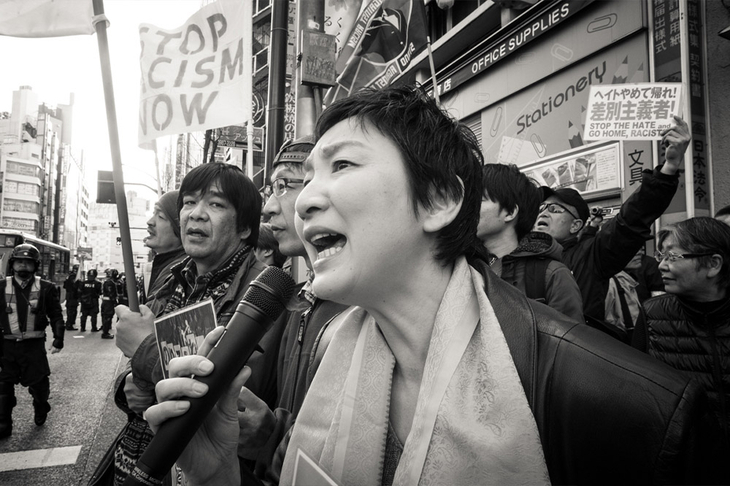
In person, Shin strikes you as a different character from the unflappable woman in the clip. She starts in Korean and switches to Japanese, with an interpreter, only when the argument runs ahead of her vocabulary. She is chatty, quick to laugh and prone to long detours. The points that she makes, though, come out plain and blunt.
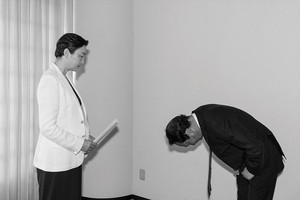
At the heart of the film is a yearslong lawsuit set off by a 2017 segment on a right-wing TV show, in which one of the commentators baselessly singled out Shin as the shadowy backer of the Okinawa protests. The far right came after her with death threats and relentless harassment, prompting her to seek refuge in Germany. Once she was back in Japan, the show’s producers still refused to apologize, so she sued them for defamation.
At Tuesday’s press screening, she recalled that her name had trended on Japanese social media at one point, buried under comments from people who wanted her gone. Zainichi women who speak up, she noted, get hit with racism and misogyny at once. Had she not spent her early years fighting discrimination, she said, she might have taken her own life during the trial. Only the thought of her haters celebrating her death kept her going.
After years in court, she won at every level. In 2023, Japan’s Supreme Court upheld an award of 5.5 million yen ($34,800), one of the largest ever in a Japanese defamation case. In its ruling, the court noted how such TV programs could stoke racism, a rare acknowledgment of what ethnic Koreans in Japan have long known.
“When politicians fail, the easiest way to hide it is to point and say, ‘That one’s a commie, that one’s the enemy,’” Shin said. “People who attack the weak do it because they’re weak themselves.”
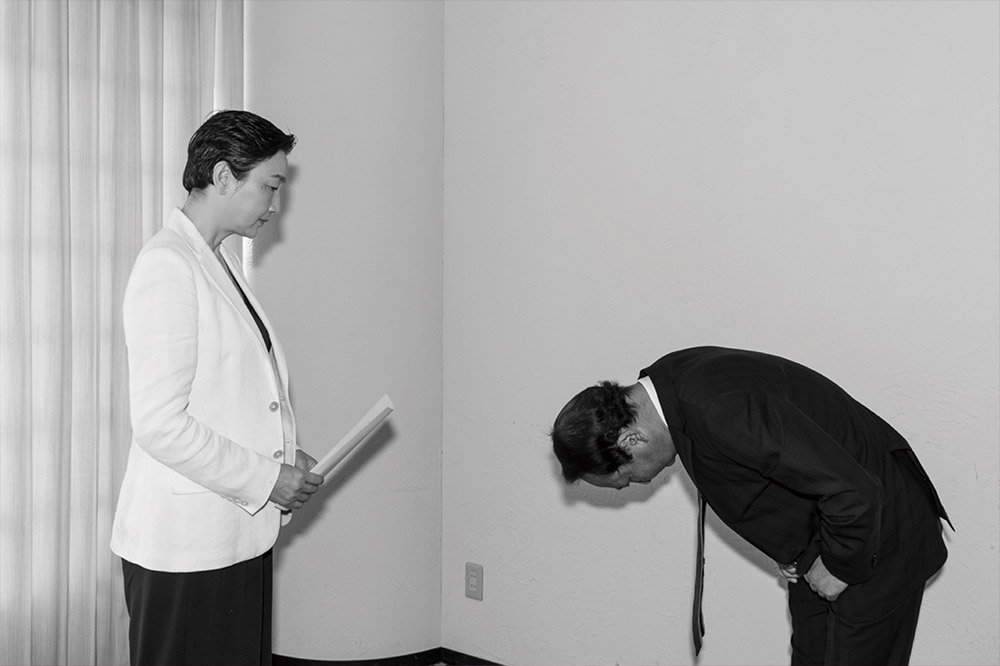
For all that it tries to cover, the film only partly comes to grips with her. It shuttles between the courtroom and a three-generation family history, and neither thread gets room to breathe. Stylized interludes of women dancing, meant as a metaphor for the generational struggle of ethnic Koreans, don’t help matters either.
But then, Shin’s is a life that doesn’t fit neatly into a single narrative. The film catches her at rallies for disability rights and, in 2024, bringing food to Zainichi communities hit by the earthquake on the Noto Peninsula. The sheer bredth of her commitments is hard for any one film to capture, let alone the boundless vigor that keeps her going.
You get a sense of what this means within minutes of talking to her. Shin's answers wander from Japanese politics to Korean welfare policy, and from the legacy of imperial Japan to an economy that rewards only the fittest. Along the way, she touches on racism, xenophobia and misogyny, in forms big and small.
These days, Shin has been thinking about women, partly because so much of the abuse aimed at her was sexually charged. “Whether it’s Japan or Korea, it’s all the same,” she said. “Men like that are trash either way.” Korea has changed fast, in her view, and its old customs now clash hard with its new laws. Women spend their lives reading men’s faces, she added, whereas few men ever learn to read women’s.
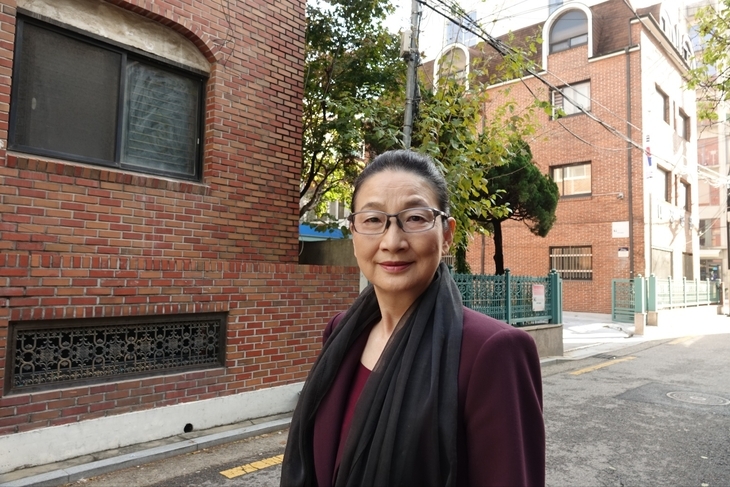
Her other conviction comes from her success as an entrepreneur. Back in 1988, when Japanese companies routinely hired women based on their looks, she staffed a trade exposition on different terms. After a year of pushback from the client, her hires proved her right.
“In business, whoever makes money wins,” she said. “And to make money, you have to take human rights seriously.” Diverse teams, she added, get more done. “There isn’t one person who’s useless to society,” she said. “Just having them there changes a company.”
It is one thing to admire Shin’s grit and another to follow her footsteps. Living a life centered on standing up for others is no small feat, all the more so at a time when most people are glued to their phones and a rally down the street can feel like just more noise from outside. Still, Shin is a believer in reaching out to those who’ve been pushed out of sight.
“You have to go find them,” she said. “And forget the idea that the weak are all cute and pure. That’s a lie. They lie, they slack off, same as everybody, and that’s part of the fun. If you see someone protesting in a wheelchair on the subway, just say something: ‘I think this is wrong,’ or ‘I can’t give money right now, but I support you.’ Even one sentence helps.”
One thing remains the same on screen and off: a small, worn cross-body pouch, which she is shown carrying from rally to rally in the film.
Asked what’s inside, she empties it out piece by piece. There is a dog-waste bag that she uses for restaurant leftovers, a hand towel with a clip so that it can dry while she walks, and coin purses with Korean and Japanese money. Most of it comes from discount stores; “I love Daiso,” she says.
Then out comes a card holder with her residence card for foreigners. After 67 years in Japan, she has never taken Japanese citizenship. “You have to carry this everywhere, all the time,” she says. “If you don’t, the police can take you in.”
“You’ve always got to be ready. You never know what’s going to happen.”
moonkihoon@heraldcorp.com