The Greek conductor brings the ensemble he built from 'dreamers and idealists' around the world to Seoul for its Korean debut
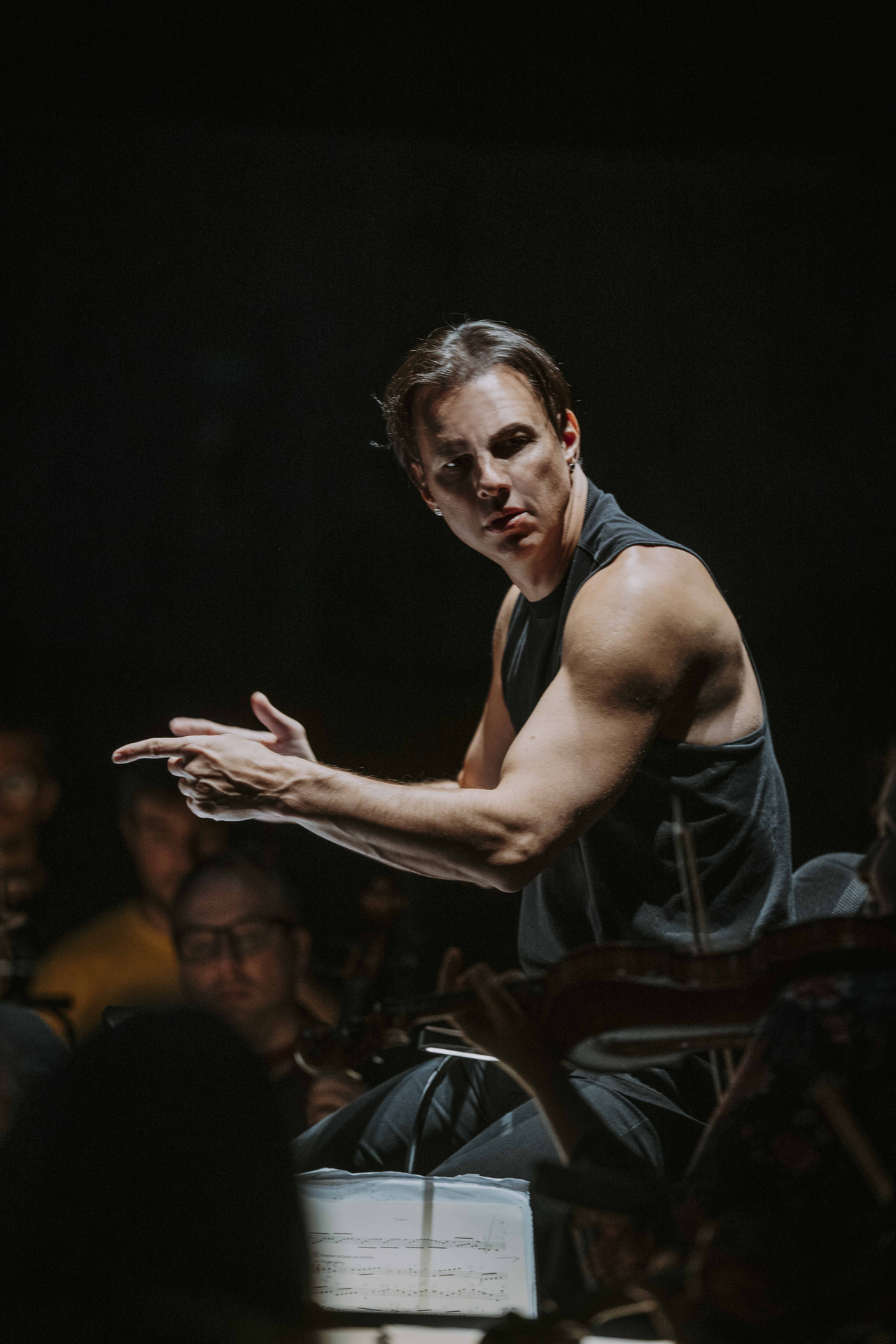
In a world increasingly driven by pragmatism, conductor Teodor Currentzis believes an orchestra should be built on something less tangible: idealism.
His Utopia Orchestra brings together around 200 musicians from across the world, not as a permanent ensemble but as a community of artists united by a shared passion for music and a desire to explore its possibilities.
Asked what an ideal orchestra looks like, the 54-year-old Greek conductor answered in a single word: “Utopia.” Seoul audiences will hear what he means when the orchestra makes its Korean debut at Lotte Concert Hall on Nov. 17 and 18.
“Above all, they are people who remain dreamers and idealists in today’s pragmatic world,” Currentzis said in a written interview ahead of the tour. “They are all passionately in love with music and are ready to give all their time and all their energy to explore the endless expanse of music.”
Founded in 2022, Utopia belongs to no institution and is independent in structure, funding and operation. Its lineup changes from program to program, with players gathering from countries as far apart as Canada, Japan, France and Venezuela.
The orchestra was born out of what he describes as a seemingly impossible dream: bringing together the finest musicians from around the world who are devoted to their art.
Yet an ideal orchestra, in his vision, is not simply a gathering of exceptional performers. It is also a place where musicians can question, challenge and explore musical ideas together. Currentzis, who also leads musicAeterna and was chief conductor of the SWR Symphony Orchestra from 2018 to 2024, does not believe artistic authority should rest with the conductor alone.
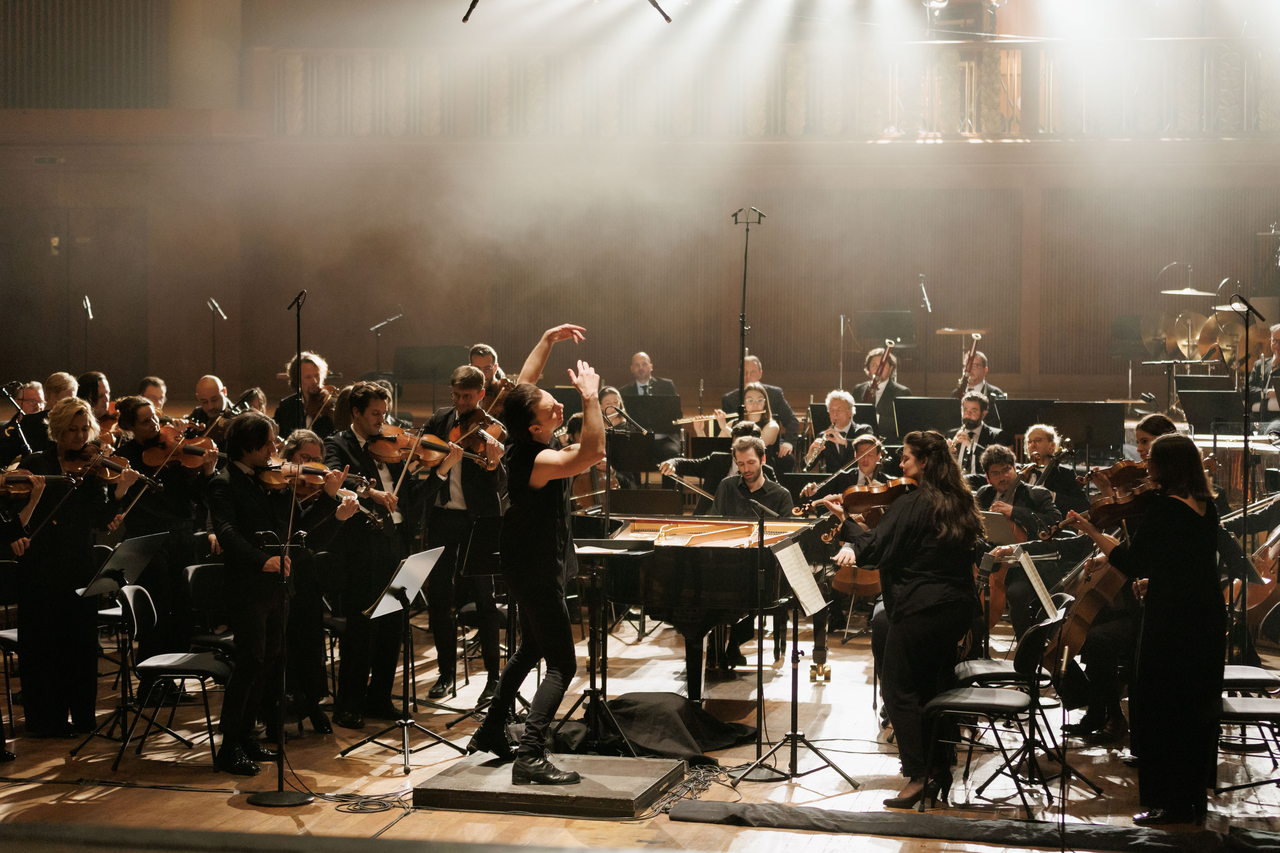
“Musicians sometimes propose their ideas to me, and often I like them,” he said. “I am not one of those who believes that only one person’s vision is correct.”
He listens, reflects and remains open to discussion, believing that musical interpretation emerges through a collective search rather than the execution of a predetermined vision.
“If we knew everything 100 percent, then it would be pointless to do anything, because the result would be already known,” he said.
That openness reflects his view of music as an ongoing pursuit of truth, in which the score, taste and intuition must be combined with spiritual exploration. Familiar readings, he argues, are often “just someone’s interpretation, frozen in time.”
The ideal orchestra, then, does not simply reproduce established interpretations but remains willing to discover something new in familiar works.
That search can unsettle listeners used to restrained performances. “Look at Beethoven, Berlioz, or Mahler — it is an emotional volcano that spills over the edge,” he said.
“I truly believe in the idea of education,” he said. “I believe that art and education have the power to change our minds and our world for the better.”
In Seoul, that search will unfold over two programs. On Nov. 17, violinist Daniel Lozakovich joins the orchestra for Shostakovich’s Violin Concerto No. 1, followed by Stravinsky’s “The Rite of Spring.” On Nov. 18, pianist Alexander Melnikov plays Shostakovich’s Piano Concerto No. 2 before Mahler’s Symphony No. 1, “Titan.”
The concerts are part of Lotte Concert Hall’s “10 for 10” series marking its 10th anniversary. Tickets range from 60,000 won to 380,000 won.
gypark@heraldcorp.com