Annual sales on track to surpass 100 million copies for the first time in three years
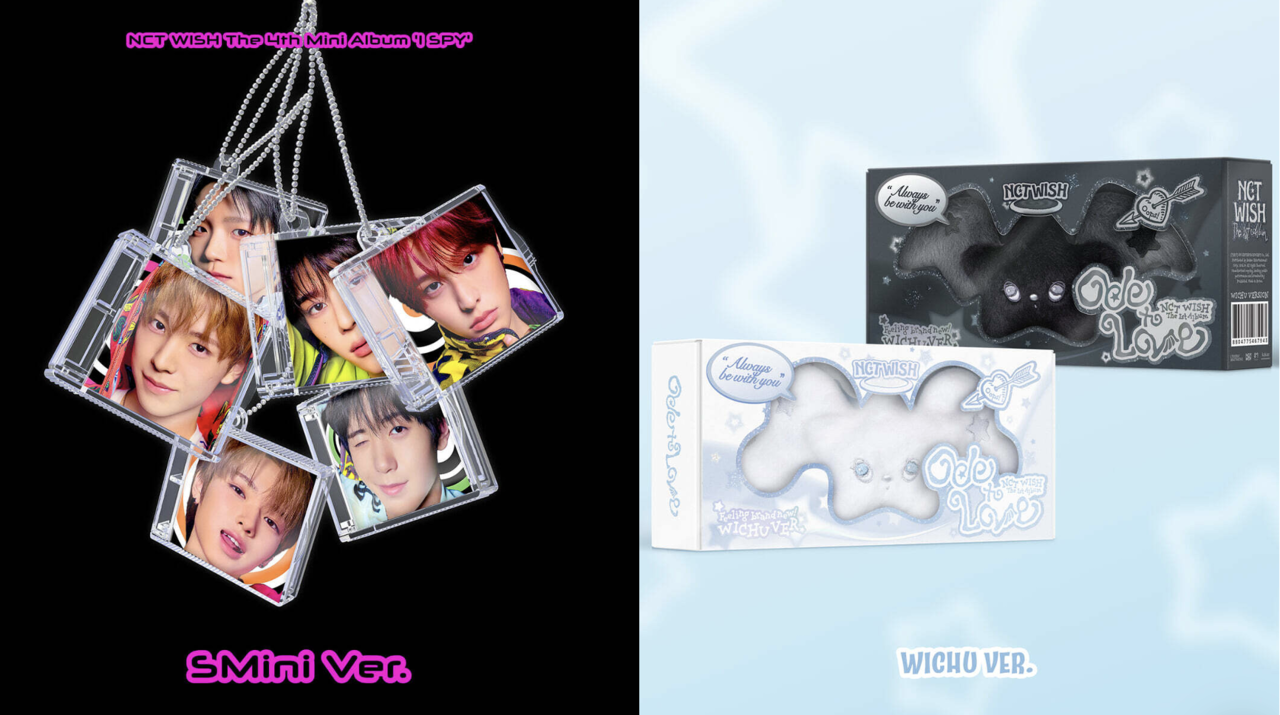
K-pop album sales are expected to surpass 100 million copies in 2026 for the first time in three years, as the market bounces back on major releases and the rapid spread of merchandise-style formats.
According to an analysis released by Circle Chart, cumulative sales for the chart’s top 400 albums sold January through September were 7.6 million copies higher than the previous year.
Circle Chart projected that annual sales could climb back above 100 million copies depending on fourth-quarter performance. The market last crossed the 100 million threshold in 2023, when annual sales reached 115.77 million copies. The figure fell to 93.28 million in 2024 and 86.38 million last year.
Major comebacks likely helped lift sales this year. But another increasingly visible factor is the proliferation of merchandise albums. In place of CDs, buyers gain access to a digital album via QR codes or NFC technology, which are then packaged with collectible merchandise such as plushies and keychains.
Once treated as an alternative, unique format, such albums have become increasingly common across the K-pop industry, with agencies turning physical releases into collectible goods rather than relying solely on conventional albums.
NCT Wish released a “smart album” version of its fourth EP, “I Spy,” on Oct. 12, featuring an NFC-enabled disc alongside exclusive photo cards. The group is well known for experimenting with merchandise-style releases, including its popular Wichu character plushies, which were most recently offered with its first LP, “Ode to Love,” in April.
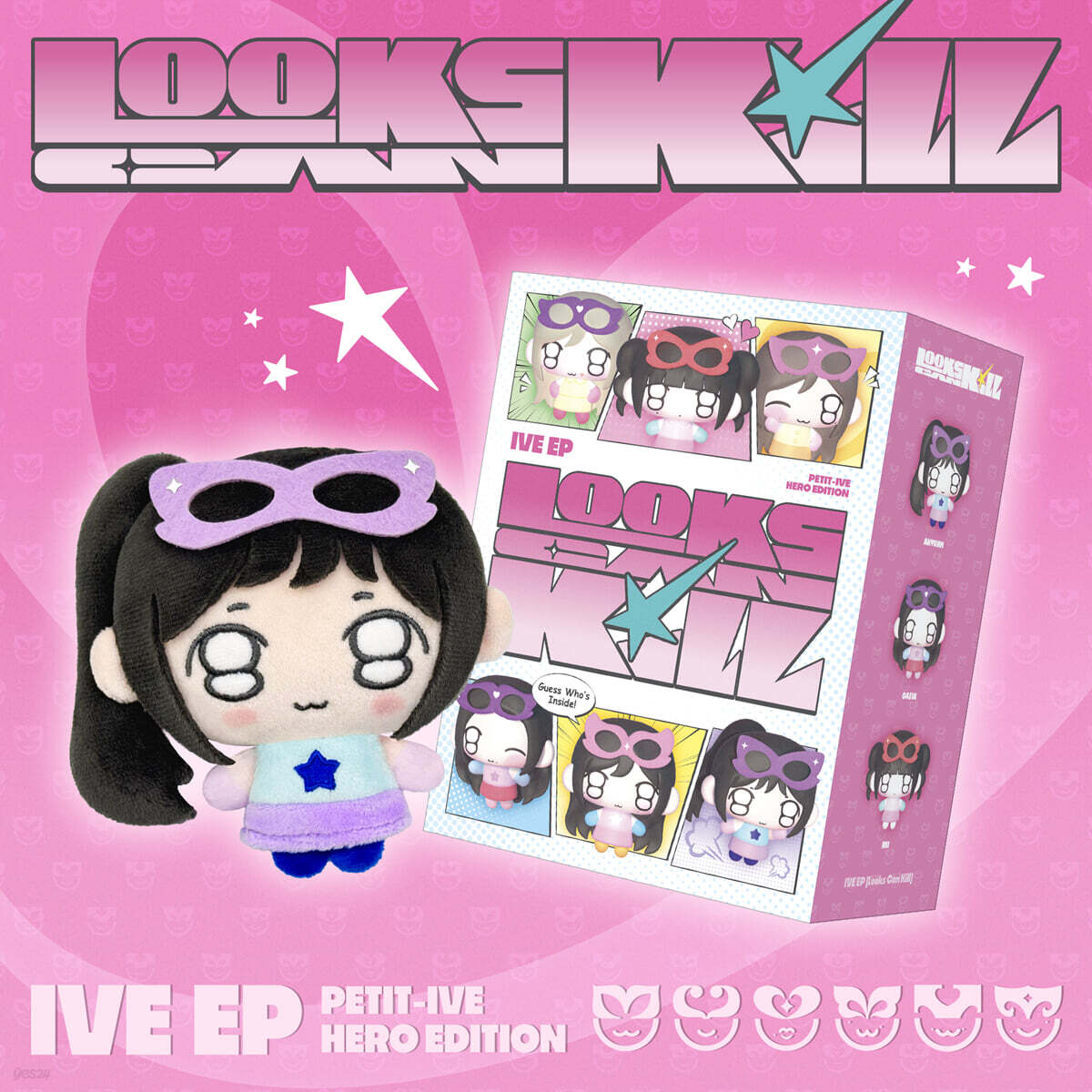
Ive took the concept further with its fifth EP, “Looks Can Kill,” on Oct. 26, releasing keychain-sized plush dolls modeled after the members. Virtual idol group Plave also joined the trend on Oct. 13 with its recent EP “Hyperdrive,” including character figures modeled after the five members. Both groups included a QR-coded music card, allowing fans to play the EP through their own devices upon scanning the code.
Ateez is also incorporating merchandise into its upcoming 15th EP, “Golden Hour: Part. 6,” due Nov. 13. One version includes earphone charms paired with an NFC tag card that gives listeners access to the album.
According to Circle Chart, merchandise albums accounted for 17.8 percent of total sales among Circle Chart’s top 400 albums as of September, up 6.5 percentage points from 11.3 percent in 2023. Their annual sales have also continued to grow, rising from 13 million copies in 2023 to 15.8 million in 2025.

The growing popularity of such formats also reflects a broader shift in K-pop merchandise toward products designed for daily use and interaction rather than simple display.
Culture critic Kim Heon-sik previously told The Korea Herald that merchandise today has to offer more than collectability alone.
“Not all fans will be motivated to buy something just for keepsakes,” Kim said. “Merch also has to be a direct point of engagement for the fans, allowing the fans to somehow personalize their connection with their favorite artists.”
lee.jungjoo@heraldcorp.com