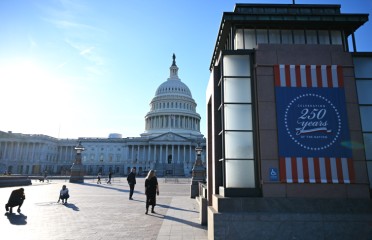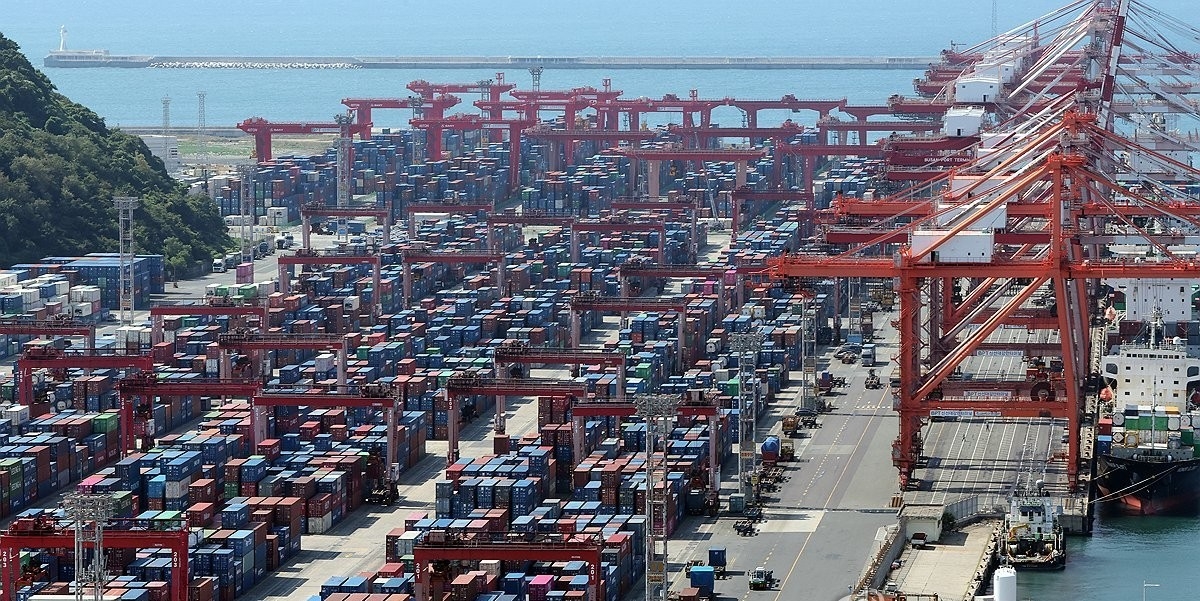
The government’s budget proposal for next year, totaling 820.9 trillion won ($599 billion), is the largest ever. The 12.8 percent year-on-year rise and the 92 trillion won increase are also the largest on record.
정부의 내년도 예산안은 총 820조 9천억원으로 역대 최대 규모다. 올해 대비 12.8퍼센트 상승이자 92조원 증가로 모두 역대 최대 기록이다.
The government’s ability to ramp up spending so substantially is due above all to an exceptional tax revenue windfall brought about by the semiconductor supercycle. The ambitious 162 trillion won Future Response Fund, too, would not have been possible without the surge in corporate tax revenues caused by the semiconductor boom.
정부가 지출을 그러한 규모로 늘릴 수 있었던 것은 무엇보다 반도체 슈퍼사이클이 가져온 추가 세수 덕분이다. 162조원 규모의 막대한 미래대응기금 역시 반도체 호조로 인한 법인세 수입 급증이 아니었다면 불가능했을 것이다.
One cannot help but question how sustainable such a “superexpansionary budget” is.
이러한 "초확장 예산"이 얼마나 지속가능할지에 의문을 갖지 않을 수 없다.
With national debt almost certain to top 1,500 trillion won next year, the government is jacking up spending at an excessive pace. The government budget surpassed 600 trillion won in 2022 and entered the 700 trillion won range this year, four years later.
국가 부채가 내년 1500조원을 넘을 것이 거의 확실한 상황에서 정부는 지출을 지나치게 빠른 속도로 늘리고 있다. 정부예산은 2022년 600조원을 돌파했고 4년 뒤인 올해 700조원대에 돌입했다.
Next year, however, the figure will cross into the 800 trillion won span after just one year. According to government projections, total spending will continue to rise, surpassing 1,000 trillion won in 2030, the final year of President Lee Jae Myung’s term.
그러나 내년 그 수치는 불과 1년만에 800조원을 넘어설 것이다. 정부는 총지출이 지속적으로 늘어 이재명 대통령의 임기 마지막해인 2030년에는 100조원을 넘을 것으로 예상한다.
Many of the programs funded through the Future Response Fund, including support for local areas and young people, as well as education and childcare for infants and young children, are likely to become ongoing programs rather than one-off expenditures.
지역 및 청년 지원, 그리고 교육과 영유아 돌봄을 포함해 미래대응기금이 지원하는 다수의 사업은 1회성 지출이라기보다는 지속적인 사업이 될 가능성이 높다.
The government has already pledged to expand welfare programs, including providing 1.2 million won a year from birth through age 18 to help young people become self-reliant and offering free education at national universities in the provinces.
정부는 이미 복지 제도를 확대하기로 선언했다. 청년들의 자립을 돕기 위해 출생부터 18세까지 연 120만원을 지원하고 지방국립대에서 무상교육을 제공하는 것을 포함해서다.
If tax revenues decline as the semiconductor industry slows, it is questionable whether whichever administration is in power then will be able to cut such spending.
반도체 산업이 둔화되면서 세수가 줄어들면 그 시점에 집권당이 어디든 간에 정부가 관련 예산을 줄일 수 있을지 의문이다.
If the government inflates the budget on the assumption that a temporary boom will last, it could fall into a vicious cycle of increasing national debt to make up for declining tax revenues.
정부가 일시적 호황이 지속될 것이라는 가정하에 예산을 확대한다면 줄어드는 세수를 보전하기 위해 국가 부채를 늘리는 악순환에 빠질 수 있다.
Temporary revenue gains should not be used to justify permanent spending commitments.
일시적으로 늘어난 수입을 고정적인 지출 의무를 정당화하는데 사용해서는 안된다.
Thanks to the surge in tax revenues, the government projects that both the managed fiscal deficit and the national debt-to-GDP ratio will decline next year. This amounts to saying that the government can improve its fiscal health even as it spends more money than ever before.
세수 급증에 힘입어 정부는 내년도 관리재정수지 적자와 GDP 대비 국가부채 비율이 모두 줄어들 것으로 예상한다. 정부가 역대 최대 지출에도 불구하고 재정 건전성을 개선시킬 수 있다고 말하는 셈이다.
Fiscal health should be judged not by how much the government can spend during a boom, but by whether it can afford to sustain that spending after the boom ends.
재정 건전성은 호황에 정부가 얼마나 많은 지출을 할 수 있냐가 아니라 호황 이후에도 이를 유지할 수 있는지 여부로 판단해야 한다.
There are also considerable concerns about chronic wasteful spending in the face of this year’s supersized budget.
초팽창 예산 기조에서도 고쳐지지 않는 만성적 예산 낭비에 관한 우려도 상당하다.
When the budget is increased sharply all at once, it is only natural that each government ministry will be more tempted to expand existing programs or add new ones.
예산이 일시에 크게 늘어나면 각 정부부처가 기존의 사업을 확대하거나 새로운 사업을 추가하고자 하는 것은 지극히 당연하다.
Programs with unclear or overlapping effects, cash handout programs and projects driven by constituency demands are perennial targets of scrutiny.
효과가 불분명하거나 중복되는 사업, 현금 지원 사업, 그리고 지역구 요구로 추진되는 프로젝트들은 반복되는 감사의 표적이다.
There are also growing concerns that lawmakers’ “note budgets” — pork-barrel projects for their constituencies slipped into the budget at the final stage of deliberations — will become even more rampant ahead of the 2028 general election.
국회의원들이 최종 심의 단계에서 자신의 지역구를 위해 예산안에 슬그머니 끼워넣는 선심성 사업, 이른바 '쪽지 예산'"이 2028년 총선을 앞두고 더욱 만연할 것이라는 우려도 커지고 있다.
The Future Response Fund is no exception. It must not degenerate into a giant government slush fund for catering to politicians’ discretionary demands simply by carrying the name “future.”
미래대응기금 또한 예외가 아니다. "미래"라는 이름만으로 정치인들의 재량에 따른 요구에 좌우되는 정부의 거대한 쌈짓돈으로 전락해서는 안된다.
Sunset provisions should be applied to new programs, while existing programs should be subject to performance evaluations to determine whether they should be continued or discontinued.
신사업에는 일몰 조항이 적용되어야 하며 기존 사업은 지속 또는 폐지 여부를 결정하기 위한 성과 평가가 이뤄져야 한다.
If the government spends this year’s sharp increase in corporate tax revenues on cash handouts and locks in the resulting spending in ways that make it difficult to cut, it could face serious trouble when the semiconductor industry takes a downturn.
정부가 올해 급증한 법인세 수입을 현금 지원에 사용하거나 그에 따른 지출을 삭감하기 어려운 방식으로 묶어둔다면 반도체 산업이 하락세에 접어들었을 때 심각한 문제에 맞닥뜨릴 수 있다.
The National Assembly must rigorously assess the sustainability of spending and carefully scrutinize the merits of each program to prevent a massive waste of the megasized budget.
국회는 지출의 지속가능성을 엄격하게 평가하고 각 사업의 이점을 신중하게 검토해 초대형 예산의 막대한 낭비를 예방해야 할 것이다.
ramp up 늘리다
expenditure 지출, 경비
perennial 지속적인, 반복되는
pork-barrel 선심성
rampant 만연한
discretionary 자유 재량에 의한
sunset provision 일몰 조항
khnews@heraldcorp.com