Even when an employer has just cause, a dismissal may be invalid if required procedures are not followed
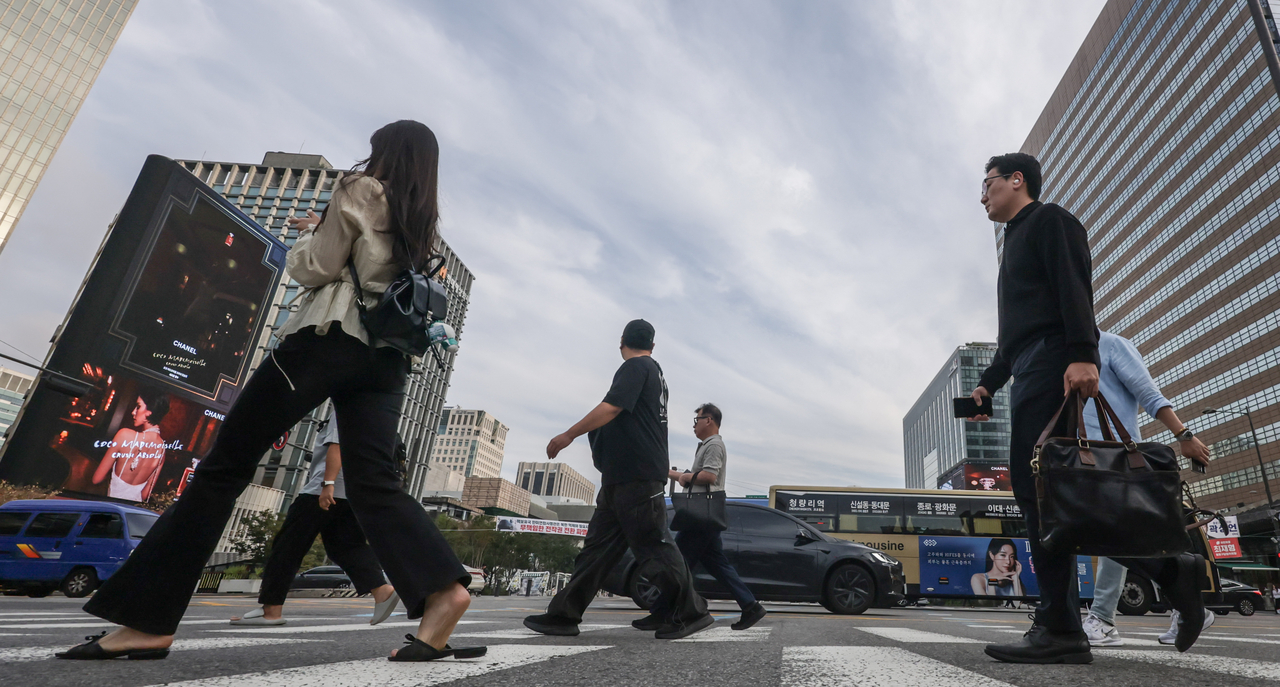
Foreign national workers in South Korea may have legal protections if they are dismissed, injured at work or pregnant. The rules depend in part on the size of the workplace and the type of protection involved.
Dismissal rules depend on workplace size
At workplaces with five or more regular employees, the Labor Standards Act prohibits employers from dismissing workers without justifiable cause. It also requires employers to notify a worker of the grounds for dismissal and the date it will take effect in writing.
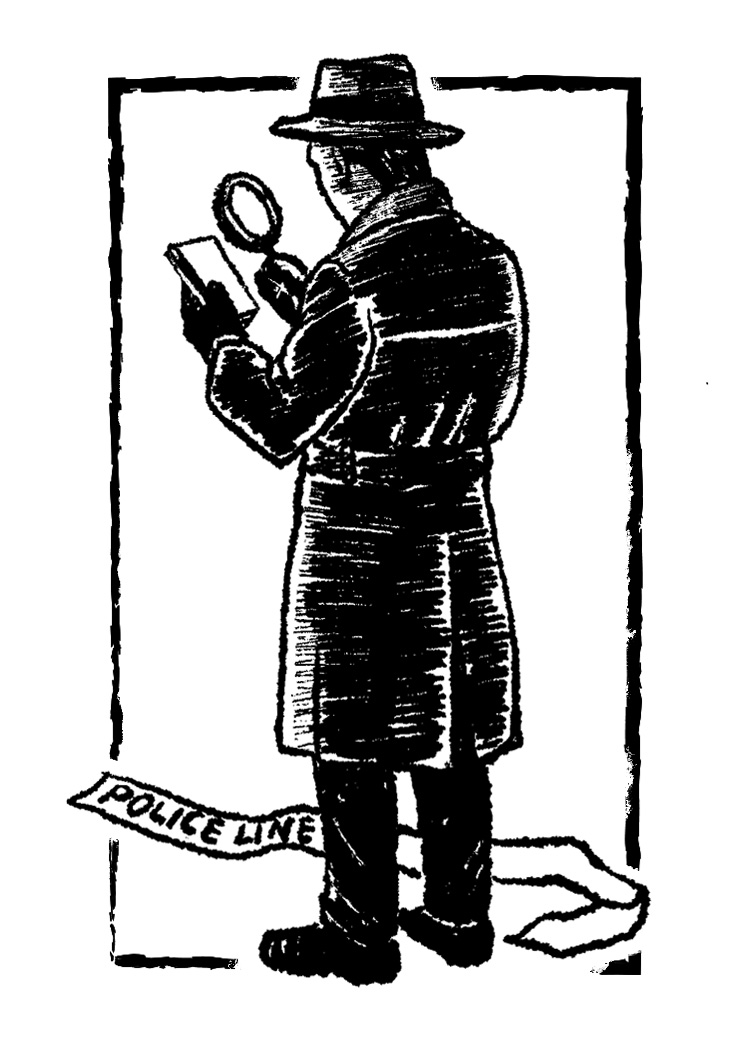
A dismissal is not made valid simply because the employer has a justifiable reason if it fails to meet the required procedures.
Employers generally must give workers at least 30 days’ notice of dismissal or pay them at least 30 days’ worth of ordinary wages.
This notice requirement does not apply when a worker has been employed for less than three months, when a natural disaster or other unavoidable circumstances make it impossible to continue the business, or in certain cases of serious, intentional misconduct by the worker.
In 2019, an English-language institute in Mokdong, Seoul, told two foreign national instructors in mid-August that they would be dismissed on Aug. 27.
The instructors said they had received only oral notice. The institute later claimed it had sent written notice by mail and text message on Sept. 2.
The Seoul Regional Labor Relations Commission ruled the dismissals unlawful, saying the institute had failed to prove it had sent the written notice.
The case illustrates that the requirement to give advance notice and the requirement to provide written reasons and a dismissal date are separate rules.
Protection during leave for work-related injuries
At workplaces covered by the Labor Standards Act’s dismissal protections, an employer may not dismiss a worker while the worker is off work for medical treatment of an occupational injury or illness, or during the 30 days immediately afterward.
The law provides exceptions if the employer has paid the lump-sum compensation specified in Article 84 of the act or is unable to continue operating its business.
Workers who suffer injury or illness connected to their work may be eligible for benefits under the Industrial Accident Compensation Insurance Act.
The Korea Workers’ Compensation and Welfare Service determines whether a claim qualifies for workers’ compensation.
If a worker remains uncured after two years of medical treatment for an occupational injury or illness, the employer may pay a lump sum equal to 1,340 days’ worth of the worker’s average wage.
Under Article 84 of the Labor Standards Act, that payment releases the employer from further compensation obligations.

Protections at workplaces with fewer than five employees
Some Labor Standards Act provisions, including the rules requiring justifiable cause for dismissal and written notice of the grounds and date, generally do not apply at workplaces with fewer than five regular employees.
Workers there also cannot seek unfair-dismissal relief through the labor commission under those provisions.
The 30-day advance notice requirement still applies, however, unless one of the statutory exceptions applies. Employers must also provide written employment contracts and comply with wage rules, including the minimum wage and requirements for paying wages on time.
Workers at small workplaces may also be covered by industrial accident compensation insurance, though statutory exceptions apply to certain types of businesses.
Protections during pregnancy and after childbirth
The Labor Standards Act prohibits employers from assigning pregnant workers or workers who gave birth within the past year to work that is dangerous or harmful to their health.
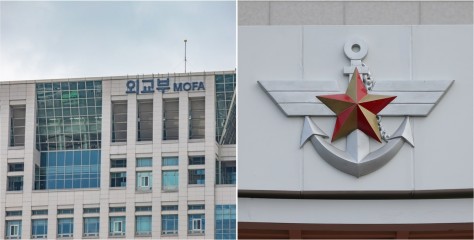
Pregnant workers may not be assigned night or holiday work unless they expressly request it and the employer obtains approval from the Ministry of Employment and Labor.
A worker is entitled to 90 days of maternity leave, including at least 45 days after childbirth.
The leave allowance increases to 100 days for a premature birth and 120 days for multiple births, with at least 60 days after childbirth in the case of multiple births.
The first 60 days of leave are paid, or 75 days in the case of multiple births.
Government maternity benefits are subject to eligibility requirements and vary by employer category. In 2026, the monthly benefit is capped at 2.2 million won.
The law also provides leave after a miscarriage or stillbirth, with the duration depending on the stage of pregnancy and applicable statutory criteria.
After maternity leave, the employer must reinstate the worker to the same job or a job that pays the same level of wages.
At workplaces covered by the Labor Standards Act’s dismissal protections, employers may not dismiss a worker during maternity leave or for 30 days immediately afterward, subject to the exceptions set out in the Act.